Choosing when to trek in Nepal can be confusing. Most travelers hear that spring and autumn are the best seasons, but that advice does not apply to every trekking destination.
Some routes offer suitable conditions during the monsoon, while winter can make high-altitude trails and mountain passes more challenging. Your experience also depends on the route's elevation and geographical location.
This guide explains the best season for trekking in Nepal, what each month offers, and which destinations suit different times of the year. It will help you choose travel dates based on your preferred trekking experience and plan your trip with realistic expectations.
When Is the Best Season for Trekking in Nepal?
Spring (March to May) and autumn (September to November) are the two main trekking seasons in Nepal. During these periods, many popular Himalayan routes offer favorable weather, manageable trail conditions, and good opportunities for mountain views.
However, each season offers a different experience.
Autumn is generally the best choice for clear mountain views and stable weather. The monsoon usually ends by September, leaving clearer skies and cleaner mountain views during October and November.
Spring is ideal for warmer days and colorful landscapes. Rhododendrons bloom across many Himalayan foothills, and temperatures gradually rise as the season progresses.
Winter and monsoon also offer trekking opportunities. However, they require more careful route selection and preparation.
Best Time for Trekking in Nepal: Month-by-Month Overview
Nepal's trekking conditions change throughout the year. Here's a quick overview of what to expect in each month.
Month
Trekking conditions
Best suited for
January
Cold, especially at higher elevations
Suitable lower-altitude treks
February
Cold early in the month, gradually warming
Lower and moderate-altitude routes
March
Start of spring, with improving conditions
Everest, Annapurna, and Langtang
April
Pleasant spring weather and blooming flowers
Most popular trekking routes
May
Warmer days, with increasing pre-monsoon clouds
Spring trekking at higher elevations
June
Beginning of monsoon rainfall
Upper Mustang and rain-shadow routes
July
Heavy rainfall across much of Nepal
Selected rain-shadow destinations
August
Monsoon conditions continue
Upper Mustang and Upper Dolpo
September
Gradual transition from monsoon to autumn
Late-month trekking, depending on conditions
October
Generally clear skies and stable conditions
Most major trekking routes
November
Clear weather with colder nights
Everest, Annapurna, Manaslu, and Langtang
December
Cold and increasingly snowy at higher elevations
Lower-altitude and suitable winter routes
These are general seasonal patterns, not guaranteed conditions. Weather can change quickly in the mountains, particularly at higher elevations.
Trekking in Nepal During Spring (March–May)
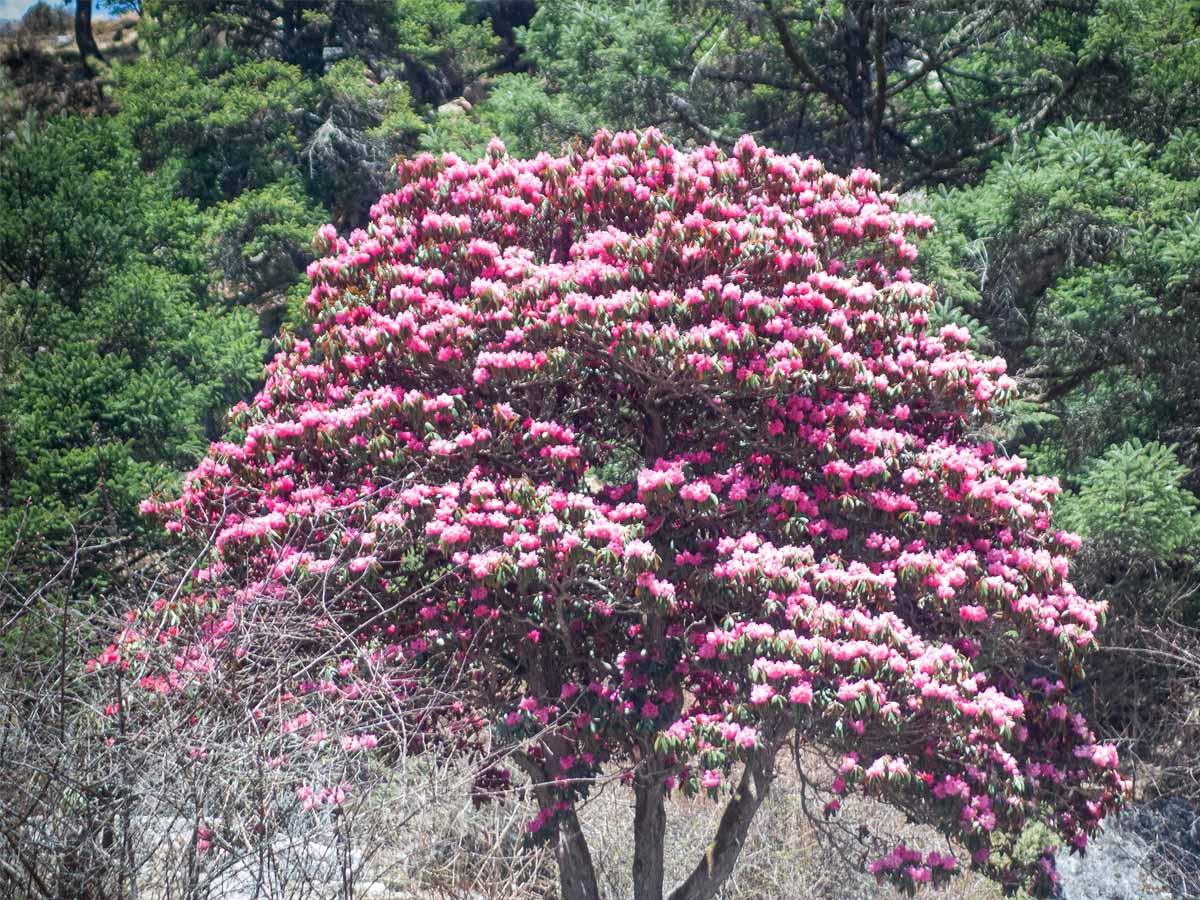
Rhododendron Blooming during Spring Season
Spring is one of the most attractive times to trek in Nepal. The weather gradually becomes warmer, mountain trails become more accessible, and forests begin to bloom.
The season is particularly appealing to travelers who enjoy mountain scenery alongside natural landscapes.
What Is the Weather Like in Spring?
March marks the beginning of the main spring trekking period. Temperatures gradually rise, although higher-altitude destinations can remain cold, particularly at night.
April generally offers a good balance of comfortable daytime temperatures and favorable trekking conditions. By May, temperatures increase further, especially in lower valleys.
However, pre-monsoon moisture and afternoon clouds become more common toward the end of May.
Spring is also known for its rhododendron blooms. These flowers cover hillsides across parts of the Himalayan region, adding color to forest trails.
Best Treks in Nepal During Spring
Spring is suitable for several popular trekking destinations.
Everest Base Camp Trek: Offers opportunities to explore the Khumbu region in warming conditions, with mountain views during clear weather.
Manaslu Circuit Trek: Combines mountain scenery, traditional villages, and the challenging Larkya La Pass crossing.
Langtang Valley Trek: Offers forest trails, mountain views, and blooming vegetation along the valley.
For most of these routes, April is a particularly attractive month. March can be colder at higher elevations, while May brings warmer weather and increasing pre-monsoon cloud cover.
Who should choose spring?
Spring is a good choice for travelers who prefer warmer trekking days, blooming landscapes, and a comfortable balance between mountain conditions and outdoor scenery.
Trekking in Nepal During Monsoon (June–September)
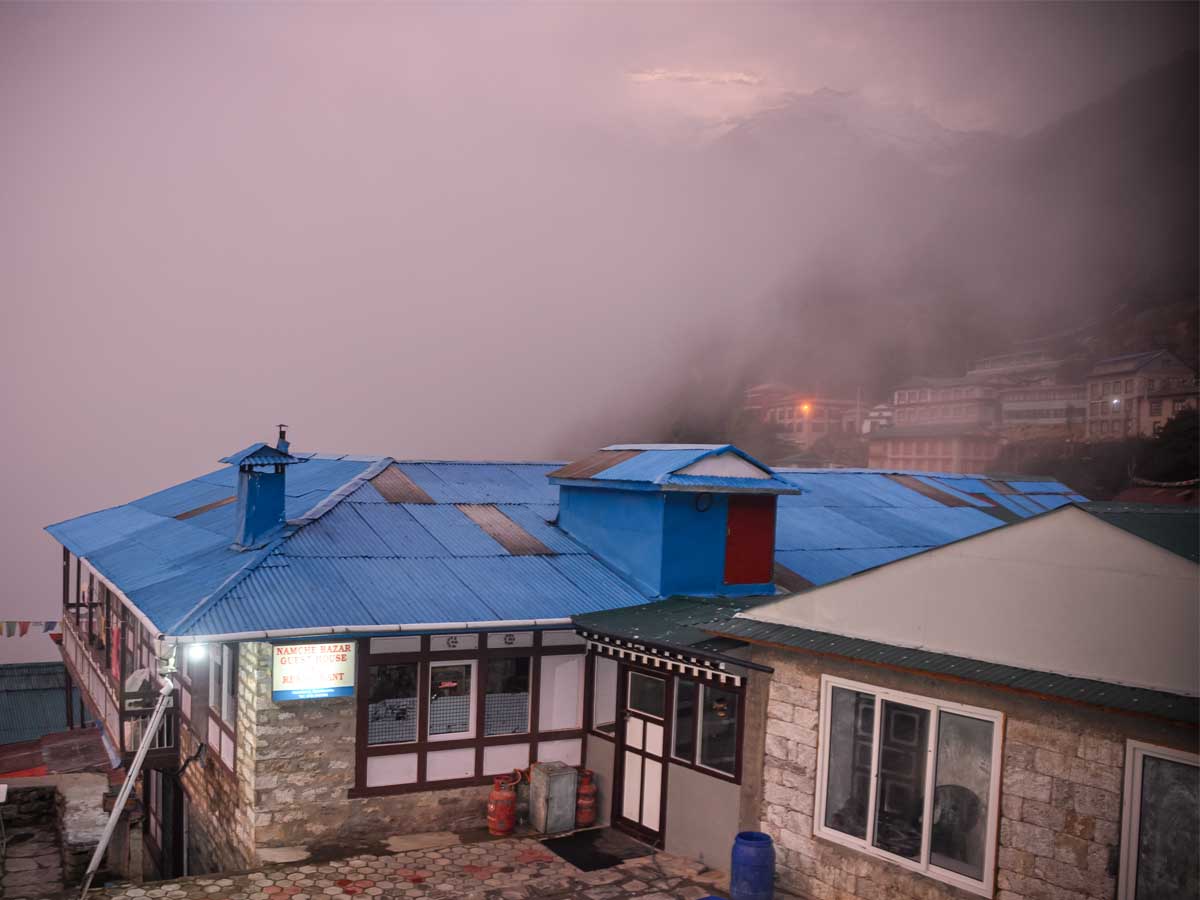
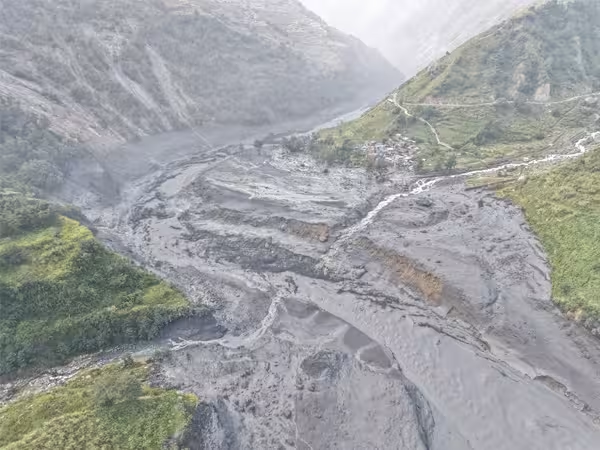
Monsoon Weather in Namche
Monsoon is generally the least suitable season for trekking on Nepal's popular southern Himalayan routes.
The rainy season brings heavy rainfall, particularly to the hills and lower mountain valleys. Trails can become slippery, rivers rise, and landslides may affect roads and walking routes.
Cloud cover can also limit mountain views for several days.
However, this does not mean trekking is impossible throughout Nepal during the monsoon.
What Is the Weather Like During Monsoon?
Rainfall usually increases from June and continues through July and August. September often brings a gradual transition toward autumn, although rain can continue during the first part of the month.
Lower elevations generally experience warmer and wetter conditions. Higher elevations can be colder, particularly during rainy and cloudy weather.
Travelers should also consider road access, possible transportation delays, and changes to trail conditions.
Where Can You Trek During Monsoon?
Certain destinations are more suitable during the rainy season because of their geographical location.
Located in the rain shadow of the Himalayas, Upper Mustang receives considerably less rainfall than many other parts of Nepal. This makes it a practical option for travelers interested in trekking during the monsoon.
The region features dry valleys, rocky landscapes, traditional settlements, and Tibetan-influenced culture.
Manang and parts of the Dolpo region also lie in rain-shadow areas. However, conditions and access vary between routes. A trek may still involve crossing areas affected by monsoon rainfall.
Who should choose the monsoon season?
Monsoon trekking is suitable for travelers with flexible plans who are interested in rain-shadow destinations rather than conventional trekking routes.
Upper Mustang is worth considering, but travelers should check road access, local conditions, and route arrangements before departure.
Trekking in Nepal During Autumn (September–November)
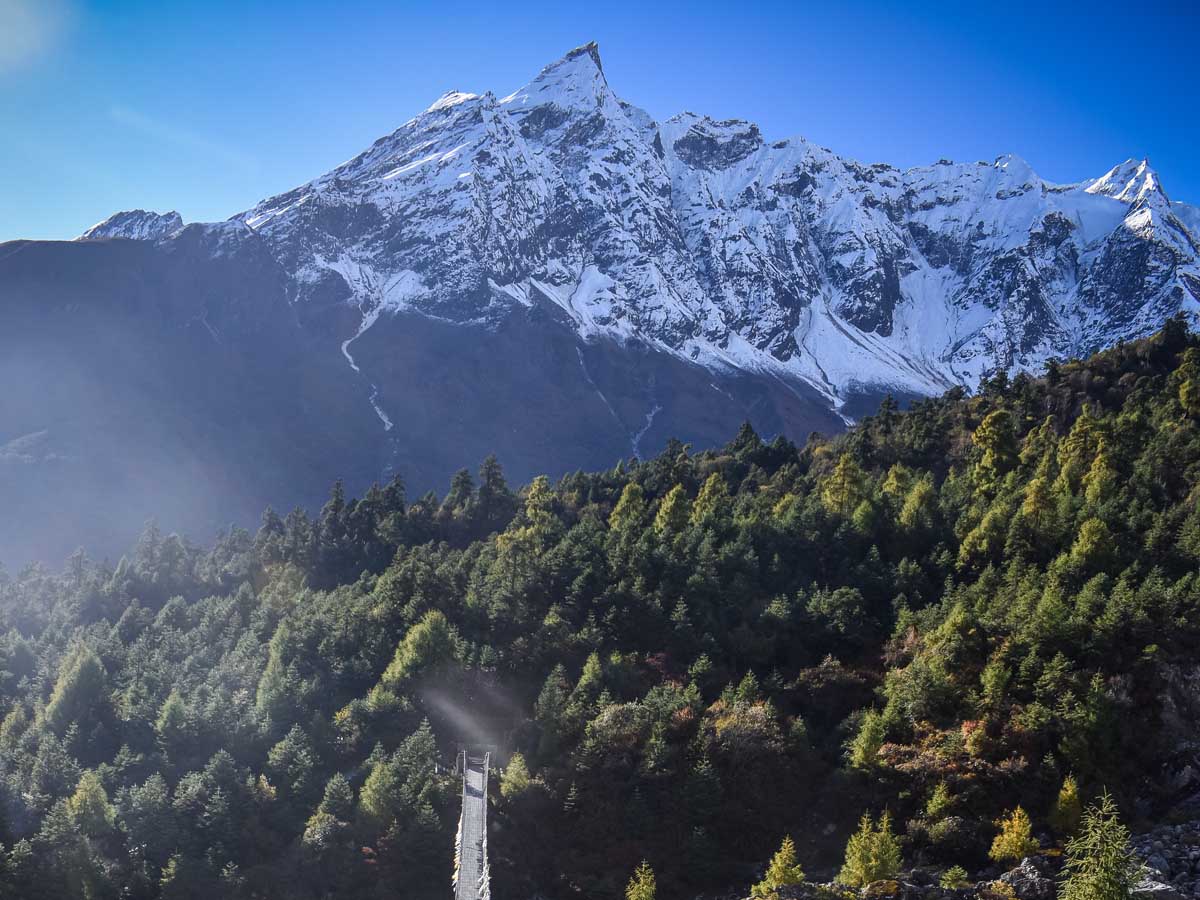
Clear Himalayan View during Autumn Season
Autumn is widely considered the best overall season for trekking in Nepal. It follows the summer monsoon, and October and November usually offer some of the clearest mountain views of the year.
The combination of stable weather, comfortable daytime temperatures, and dry trails makes autumn particularly attractive for international trekkers.
September is a transition month. Rainfall gradually decreases, and trekking conditions improve as the monsoon withdraws.
October generally brings clear skies, pleasant daytime temperatures, and favorable conditions across many popular trekking regions.
November remains a good month for trekking, although temperatures begin to drop. Nights become colder, especially at higher elevations, and early snowfall can affect some mountain passes.
Best Treks in Nepal During Autumn
Autumn suits most of Nepal's popular high-altitude trekking destinations.
Everest Base Camp Trek: Offers excellent opportunities for mountain photography and views of the Khumbu Himalayas.
Annapurna Circuit Trek: Autumn is particularly suitable for crossing Thorong La Pass when conditions permit.
Manaslu Circuit Trek: Offers clear mountain scenery and generally favorable conditions for crossing Larkya La Pass.
Langtang Valley Trek: Provides clear views of Langtang Lirung and the surrounding mountain landscape.
October is often the strongest all-around choice for these routes.
November is also attractive, especially for travelers who prefer slightly quieter trails. However, colder temperatures and possible snowfall at high elevations require proper preparation.
For more route-specific information, read our guide to the best time for the Manaslu Circuit Trek. It explains how spring and autumn conditions affect this high-altitude route.
Does Autumn Get Crowded?
Yes. Autumn is one of Nepal's busiest trekking periods.
Popular routes attract international visitors, and accommodation can become limited during peak travel dates. Flights and other transportation arrangements may also experience high demand.
For this reason, it is sensible to arrange your itinerary, guide, and accommodation plans in advance.
Who should choose autumn?
Autumn is a strong choice for first-time visitors who prioritize clear mountain views, generally stable conditions, and access to Nepal's popular trekking routes.
Trekking in Nepal During Winter (December–February)
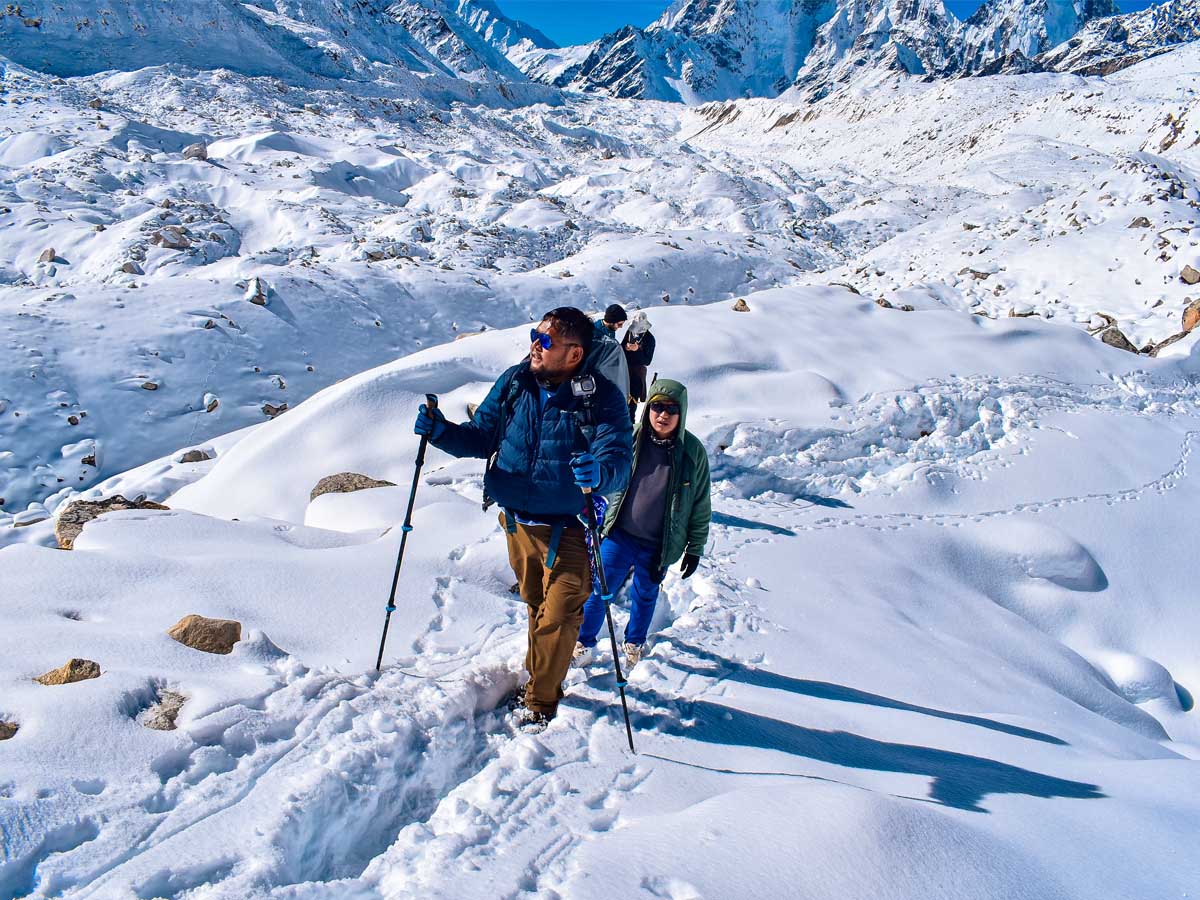
Trekkers in Snowy Trail During Winter Season Trek in Nepal
Winter offers a different experience in the Nepalese Himalayas. Lower-altitude trekking routes can remain accessible, while high-altitude destinations become colder and more challenging.
Snowfall, freezing temperatures, and strong winds can affect mountain passes and remote trails.
However, winter also brings quieter trails and clear days in many parts of Nepal.
What Is the Weather Like in Winter?
December marks the beginning of winter conditions across the Himalayas. Temperatures continue to fall through January, which is generally one of the coldest months.
February gradually becomes warmer as spring approaches, although high-altitude areas can still experience heavy snowfall.
The biggest challenge is often overnight temperatures. Locations above 3,500 meters can become extremely cold, especially in exposed areas.
Winter snowfall can also make high mountain passes difficult or unsafe to cross.
Which Treks Are Suitable During Winter?
Winter is more suitable for lower-altitude routes and itineraries that do not depend on crossing high mountain passes.
Before choosing a route, check recent snowfall, lodge availability, and the condition of the trail. Even routes that are normally accessible may become difficult after heavy snowfall.
High-altitude routes such as the Manaslu Circuit and Annapurna Circuit require particular caution during winter because snow can affect Larkya La and Thorong La Pass.
Who should choose winter?
Winter suits travelers who prefer quieter trails and have the flexibility to adjust their plans. Choose a route based on current snow conditions, accommodation availability, and the experience of your local trekking team.
Best Trekking Season by Destination in Nepal
Not every trekking destination follows exactly the same seasonal pattern. Elevation, geography, and exposure to rainfall affect the conditions on individual routes.
Here's how the main trekking regions compare.
Trekking destination
Recommended seasons
Important consideration
Everest region
Spring and autumn
Cold conditions at higher elevations and changing mountain weather
Annapurna region
Spring and autumn
Upper Mustang and Manang have different monsoon conditions
Manaslu region
Spring and autumn
Larkya La Pass requires careful weather and snow assessment
Langtang region
March–May and October–November
Winter snowfall and monsoon rainfall affect trail conditions
Upper Mustang
Particularly suitable during monsoon
Rain-shadow location, but winter can be cold and windy
Upper Dolpo
Summer and early autumn can be suitable
Remote access and challenging high-altitude conditions
The Langtang region is particularly attractive during spring and autumn, when forest trails and mountain views are generally more favorable.
Upper Mustang is a notable exception to the usual monsoon advice. Its rain-shadow position makes it one of the few Nepal trekking destinations suitable during the rainy season.
For trekkers considering the Manaslu region, the Larkya La Pass crossing deserves particular attention. Snow, ice, and changing weather can influence the safety and timing of the crossing, even during the main trekking seasons.
This is why selecting a trekking route based on its geographical location is just as important as choosing the right month.
How to Choose the Right Trekking Season in Nepal
The best season depends on what you want from your trip. Before choosing your travel dates, consider the following factors.
1. Think About Your Preferred Mountain Views
If clear mountain views are your main priority, autumn is generally the strongest choice. October and November usually offer favorable visibility after the monsoon.
Spring also provides excellent mountain scenery, although clouds and haze can develop as the season progresses.
2. Consider the Trekking Landscape
Spring is particularly attractive for travelers who enjoy flowers, green forests, and warmer days.
Autumn offers a different landscape, with clearer mountain views and the changing colors of high-altitude vegetation.
Your preferred scenery can help narrow down the season.
3. Consider Your Trekking Route and Altitude
A route that reaches 5,000 meters requires different seasonal planning from a short trek through lower mountain villages.
High passes are sensitive to snowfall and weather changes. This is particularly important on the Manaslu Circuit and Annapurna Circuit.
Do not choose a trekking month without considering the highest point on your itinerary.
4. Plan Around Your Available Travel Dates
International travelers often have limited vacation time.
If your travel dates fall during the monsoon or winter, you do not necessarily need to postpone your entire Nepal trip. Instead, consider routes that are better suited to those conditions.
For example, Upper Mustang is worth considering during the monsoon, while suitable lower-altitude routes may be more practical during winter.
An experienced local trekking team can help match your dates with a suitable itinerary.
What to Check Before Booking a Trek in Nepal
Choosing the right season is only one part of planning a Himalayan trek. You should also consider the practical arrangements that affect your experience.
Weather and trail conditions: Check recent forecasts and local information before departure.
Trekking permits: Confirm which permits are required for your chosen destination.
Accommodation: Popular trekking routes can become busy during spring and autumn.
Guide arrangements: Choose a trekking company with local knowledge of your intended route and seasonal conditions.
Travel insurance: Make sure your policy covers high-altitude trekking and emergency evacuation where applicable.
Extra travel days: Allow buffer days for weather-related flight or road delays, particularly on remote routes.
Booking early is particularly useful when planning a popular route during October or April. It gives you more flexibility when arranging transportation, accommodation, and guide services.
Once you have identified a suitable season, explore our guided trekking routes in Nepal to compare destinations, itineraries, and trekking experiences.
At Sublime Trails, we help travelers choose itineraries based on their available dates, preferred destinations, and trekking experience.
Frequently Asked Questions
What is the best month for trekking in Nepal?
October is generally one of the best months for trekking in Nepal. It usually offers clear skies, favorable weather, and good conditions across many popular trekking routes. April is another excellent option, particularly for travelers interested in spring landscapes and rhododendron blooms.
Is spring or autumn better for trekking in Nepal?
Autumn is generally better for clear mountain views and stable weather. Spring offers warmer days, blooming rhododendrons, and attractive forest landscapes. Both seasons are suitable for many popular trekking routes.
Can you trek in Nepal during the monsoon?
Yes. Although heavy rainfall affects many trekking routes, destinations such as Upper Mustang offer suitable alternatives because they lie in the Himalayan rain shadow. Always check access and local trail conditions before traveling.
Is December a good time for trekking in Nepal?
December can be suitable for lower-altitude treks and some routes with appropriate preparation. However, high-altitude destinations become very cold, and snowfall can affect mountain passes.
Which season is best for Everest Base Camp Trek?
Spring (March–May) and autumn (September–November) are the main recommended seasons for the Everest Base Camp Trek. Autumn generally offers clearer mountain views, while spring brings warmer temperatures and blooming rhododendrons along lower sections of the route.
Which season is best for the Manaslu Circuit Trek?
Spring and autumn are the most suitable seasons for the Manaslu Circuit Trek. October and November generally offer favorable conditions, while March to May brings warmer weather and blooming forests along lower sections. The Larkya La Pass crossing always requires a current assessment of weather and snow conditions.
Is trekking in Nepal possible throughout the year?
Yes, trekking is possible throughout the year, but not every destination is suitable in every season. Spring and autumn suit many popular routes, monsoon favors selected rain-shadow destinations, and winter is better suited to carefully selected lower-altitude treks.
Final Thoughts
Spring and autumn are the best starting points for most travelers planning their first trek in Nepal. October and April are particularly attractive, although the right choice depends on your destination and travel preferences.
Monsoon and winter also have their place. Upper Mustang offers an alternative during the rainy season, while suitable lower-altitude routes can provide rewarding winter experiences.
The most important thing is to choose your trekking route and travel dates together. Check the conditions at the highest points of your itinerary, allow flexibility for changing weather, and plan your journey with a local team that understands the region.
With the right timing and preparation, you can experience Nepal's Himalayas in more than one season.