Nepal has four distinct trekking seasons, and each one suits different routes and travel styles. The short answer that everyone gives is "spring or autumn," but the reality is more nuanced than that.
Spring: March to May
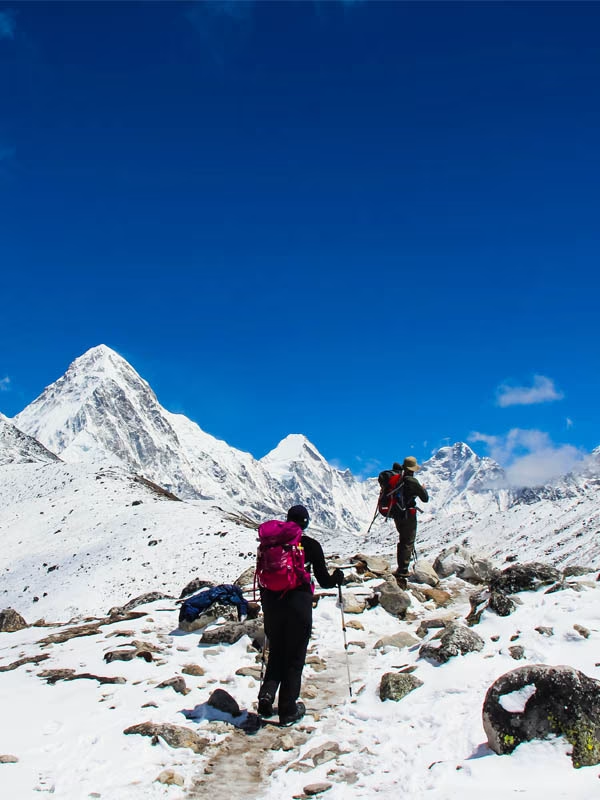
Spring is peak trekking season alongside autumn. Temperatures are comfortable at lower elevations, rhododendrons bloom on the trails below 3,500 m, and mountain views are generally clear in the mornings. Afternoons can bring cloud build-up and occasional light rain, but this rarely disrupts trekking plans.
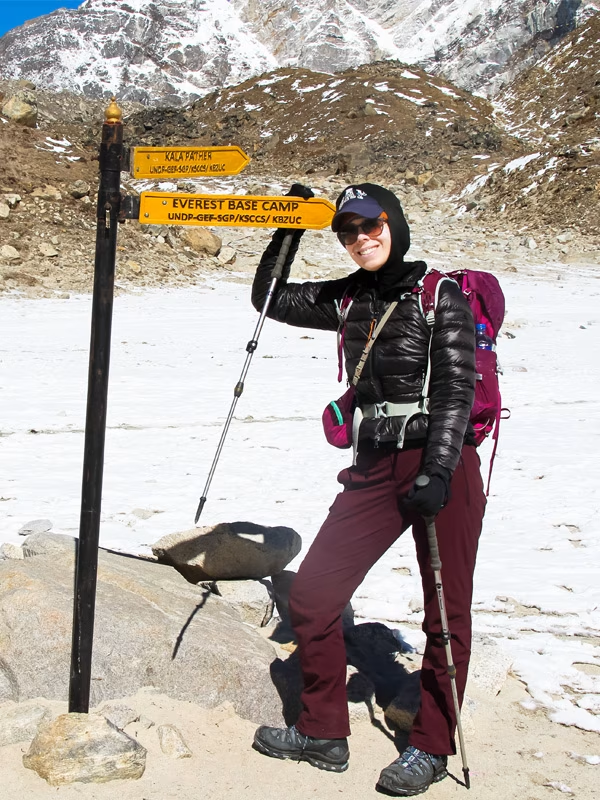
The downside: spring is the busiest season on the popular routes. Teahouses on the Everest Base Camp trail fill up quickly in April and May, and flights to Lukla or Pokhara can be delayed or cancelled due to high air traffic and weather. Book accommodation and flights well in advance.
Best for: Everest Base Camp, Annapurna Base Camp, Langtang, Ghorepani Poon Hill, Manaslu Circuit.
Monsoon: June to August
Most trekkers avoid the monsoon months, and for good reason on the southern slopes of the Himalayas. Heavy rain makes trails slippery and views are often obscured. Leeches appear on lower-elevation trails. Flight cancellations are frequent at mountain airports.
However, the monsoon does not affect the rain-shadow areas to the north of the main Himalayan range. Upper Mustang, Dolpo, and the Nar Phu Valley sit in a geographical rain shadow and receive very little monsoon rainfall. These routes are ideal in June to August and are far less crowded than during peak season.
Best for: Upper Mustang, Dolpo, Nar Phu
Autumn: September to November
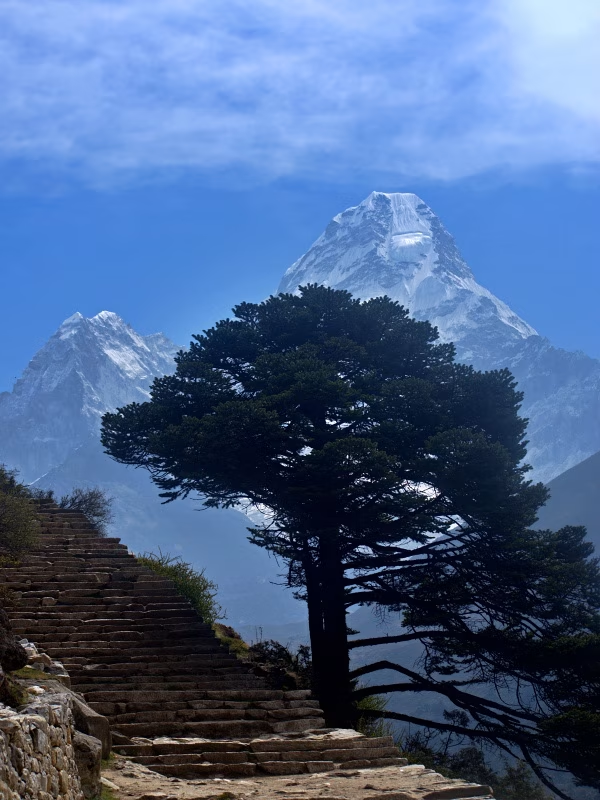
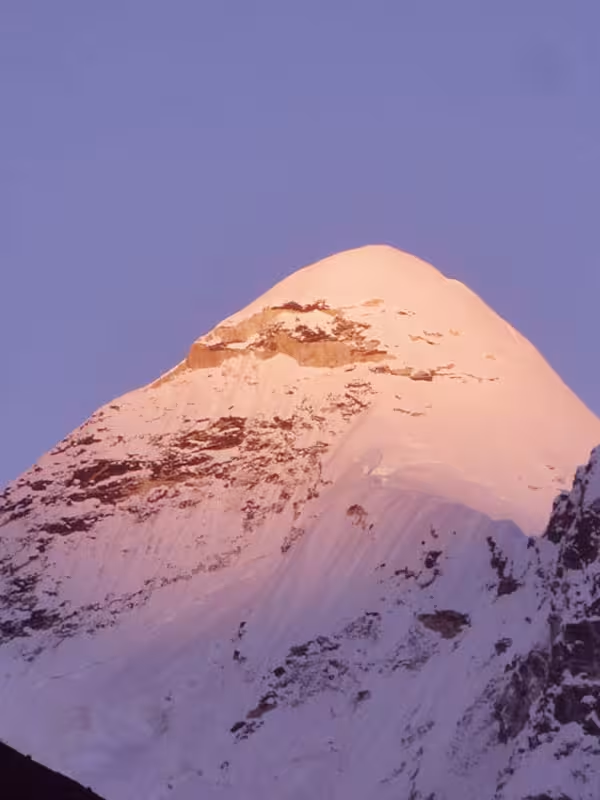
October and November offer the clearest mountain views of the year. The monsoon has washed the air clean by September, and skies are consistently blue. Temperatures are cooler than spring, and the trails are dry. October is the most popular month of the year for trekking in Nepal, which means teahouses and flights are in high demand.
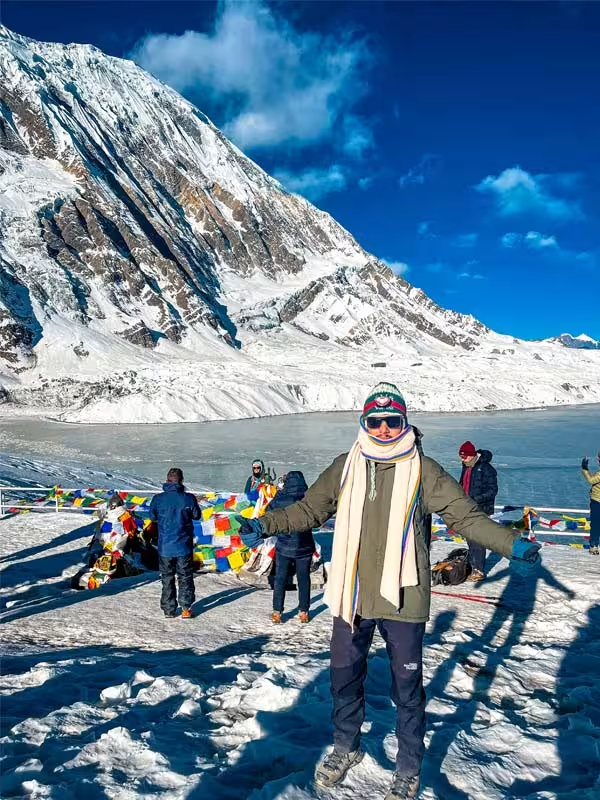
November is a strong alternative: slightly fewer trekkers than October, crisp clear days, and colder nights at altitude. By late November, high passes like Thorong La on the Annapurna Circuit can see snow, so timing matters.
Best for: all major routes, Everest Base Camp, Annapurna Circuit, Langtang, Ghorepani Poon Hill, Manaslu, and Three Passes.
Winter: December to February
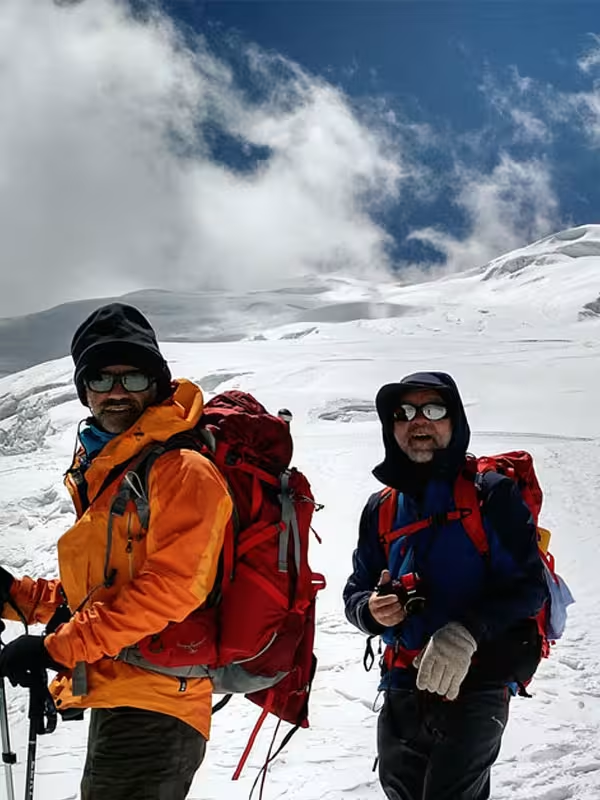
Winter trekking is possible on many routes but demands preparation for cold conditions. Temperatures above 4,000 m drop well below freezing at night. Some high-elevation teahouses close for the season, particularly on the Annapurna Circuit above Manang. Trails can be icy and high passes may be blocked by snow.
The rewards are real: very few other trekkers, quieter teahouses, and on clear days, mountain views that are just as sharp as autumn. Lower-altitude winter treks such as Ghorepani Poon Hill or the Annapurna Sanctuary can be excellent in December and January with the right gear.
Best for: Ghorepani Poon Hill, lower Everest region (Namche Bazaar area), Kathmandu Valley rim hikes.