What Is Everest Advanced Base Camp?
Everest Advanced Base Camp (ABC) is a high-altitude mountaineering camp on the northern side of Mount Everest in Tibet. It lies at approximately 6,400 metres (21,000 feet), above the North Everest Base Camp near Rongbuk Monastery.
Unlike the regular North Everest Base Camp, Advanced Base Camp is not a standard tourist destination. It serves as a staging point for climbers preparing to ascend Mount Everest via the northern route. From here, mountaineering teams continue towards the North Col and higher camps.
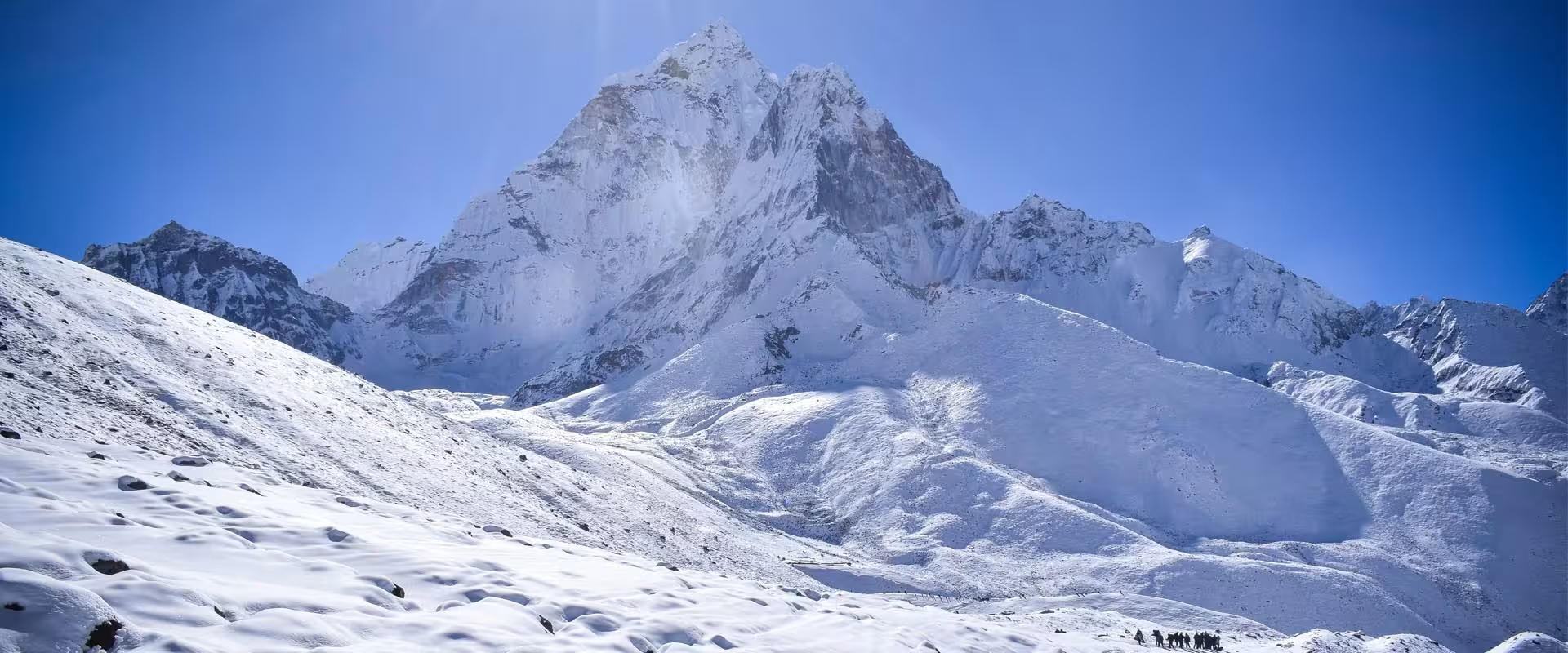
The camp offers close views of Everest's north face and the surrounding Himalayan landscape. However, reaching it requires serious altitude preparation, expedition support and appropriate access permission.
The North Everest Base Camp and Advanced Base Camp are two different locations. The former is associated with the Rongbuk tourist area, while the latter is part of the climbing route.
Where Is Everest Advanced Base Camp Located?
Everest Advanced Base Camp is located on the northern side of Mount Everest in the Tibet Autonomous Region of China. It sits on the East Rongbuk Glacier, below the North Col and near the mountain's north face.
The camp lies approximately 6,400 metres (21,000 feet) above sea level. It is part of the northern climbing route, which begins at the lower North Everest Base Camp near Rongbuk Monastery, at around 5,200 metres.
The nearest major access points include:
- Rongbuk Monastery: A historic Buddhist monastery near North Everest Base Camp.
- Tingri: A town in Tibet used as an access point for journeys to the Everest region.
- Lhasa: The regional capital and a common starting point for overland Tibet tours.
The route from Rongbuk follows the East Rongbuk Glacier towards Advanced Base Camp. It passes through high-altitude glacial terrain before reaching the expedition camp below the North Col.
Location note: Advanced Base Camp is not in Nepal. It is accessed from the Tibet side of Mount Everest, and reaching it requires appropriate expedition permissions and arrangements.
How High Is Everest Advanced Base Camp?
Everest Advanced Base Camp sits at approximately 6,400 metres (21,000 feet) above sea level on the northern side of Mount Everest in Tibet. It is significantly higher than both the Nepal and Tibet tourist base camps.
Here is how its altitude compares with other Everest locations:
| Location |
Elevation |
| Everest Base Camp, Nepal |
5,364 m |
| North Everest Base Camp, Tibet |
Approx. 5,200 m |
| Everest Advanced Base Camp, Tibet |
Approx. 6,400 m |
| Mount Everest summit |
8,848.86 m |
At this elevation, oxygen levels are much lower than at sea level. The body needs time to adjust to the reduced oxygen availability. Altitude sickness, fatigue, headaches and breathing difficulties are serious concerns.
Advanced Base Camp is therefore not suitable for casual hikers or first-time high-altitude trekkers. Proper acclimatization, medical preparation and experienced expedition support are essential.
For comparison, Nepal's Everest Base Camp Trek reaches 5,364 metres (17,598 feet). Trekkers also hike to Kala Patthar at 5,545 metres (18,192 feet), one of the best viewpoints for panoramic views of Mount Everest. Unlike the Tibet Advanced Base Camp expedition, this is an established trekking route with planned acclimatization stops, mountain teahouses and local guide support. It offers a challenging but more accessible way to experience the Everest region without joining a mountaineering expedition.
Everest Base Camp vs Advanced Base Camp
Everest Base Camp and Advanced Base Camp are two different locations on Mount Everest. They sit on opposite sides of the mountain and serve different purposes.
The main difference is their altitude, location and purpose. Everest Base Camp in Nepal is a popular trekking destination. Advanced Base Camp in Tibet is part of the northern mountaineering route.
| Feature |
Everest Base Camp (Nepal) |
Advanced Base Camp (Tibet) |
| Location |
Southern side of Everest |
Northern side of Everest |
| Country |
Nepal |
Tibet, China |
| Elevation |
5,364 m |
Approx. 6,400 m |
| Main purpose |
Trekking destination |
Mountaineering staging camp |
| Access |
Established trekking route |
Restricted expedition access |
| Accommodation |
Mountain teahouses |
Expedition camps |
| Difficulty |
Challenging trek |
Extreme high-altitude expedition |
Which One Should You Choose?
Your choice depends on your experience and travel goals. The Everest Base Camp Trek in Nepal is suitable for experienced hikers with good fitness and proper acclimatization. It offers mountain scenery, Sherpa villages and established teahouse accommodation.
Advanced Base Camp is intended for mountaineering expeditions. Its extreme altitude and access requirements make it unsuitable for ordinary trekking holidays.
If you want to experience Mount Everest without joining a climbing expedition, Nepal's Everest Base Camp Trek is a practical alternative. The journey also includes a hike to Kala Patthar (5,545 m), a popular viewpoint for seeing Everest and the surrounding peaks.
Everest Advanced Base Camp Trek Route
The Everest Advanced Base Camp route follows the northern side of Mount Everest through Tibet. It begins near Rongbuk Monastery and continues along the East Rongbuk Glacier towards the expedition camp at approximately 6,400 metres.
The approach involves a combination of road travel, high-altitude trekking and glacier travel. Expedition teams often use an intermediate camp to break the journey and help with acclimatization.
The general approach follows these stages:
- Lhasa → Shigatse → Tingri: Overland journey through Tibet towards the Everest region.
- Tingri → Rongbuk Monastery: Drive to the northern Everest Base Camp area.
- Rongbuk Base Camp → Intermediate Camp: Follow the East Rongbuk Glacier to a higher camp.
- Intermediate Camp → Advanced Base Camp: Continue across glacial terrain to Advanced Base Camp at approximately 6,400 metres.
- Advanced Base Camp → North Col: Expedition climbers continue towards the North Col at approximately 7,000 metres.
The route beyond Advanced Base Camp is part of the technical climbing approach to Mount Everest. It involves steep snow and ice slopes, fixed ropes and specialist mountaineering equipment.
Important: This is a general expedition route, not a standard tourist trekking itinerary. Access, route conditions and permits depend on current Chinese and Tibetan authorities' regulations.
How Many Days Does the Advanced Base Camp Trek Take?
There is no standard tourist itinerary for reaching Everest Advanced Base Camp. The duration depends on the expedition plan, starting point, acclimatization schedule and climbing objectives.
A full northern-side Everest climbing expedition can take around 50–60 days or longer. This includes the approach journey, acclimatization, climbing rotations, summit attempts and return travel.
The approach to Advanced Base Camp is only one part of this longer expedition. Teams need additional time to adjust to the altitude before moving towards higher camps.
Weather conditions, route access and permit availability can also affect the schedule. Travellers should confirm the itinerary and expected duration with an experienced expedition operator before making arrangements.
Everest Advanced Base Camp Trek Difficulty
The Everest Advanced Base Camp journey is an extremely challenging high-altitude expedition. It is considerably more demanding than a regular Everest Base Camp trek in Nepal. The main challenges are the extreme elevation, low oxygen levels, cold temperatures and difficult glacial terrain.
At approximately 6,400 metres, the body receives much less oxygen than at lower elevations. Even experienced hikers can struggle with fatigue, headaches, poor sleep and altitude sickness. Proper acclimatization is essential before moving towards higher camps.
Several factors make this journey difficult:
- High altitude: Advanced Base Camp sits above 6,000 metres, where altitude sickness becomes a serious concern.
- Glacial terrain: Sections of the route cross rocky, icy and uneven ground.
- Cold weather: Temperatures can drop significantly, especially at night and during windy conditions.
- Physical endurance: Long walking days at high altitude require strong fitness and stamina.
- Acclimatization: Travellers need enough time to adjust to decreasing oxygen levels.
This journey is not suitable for beginners or ordinary hiking holidays. Previous high-altitude mountaineering experience, medical preparation and professional expedition support are important.
Best Time to Visit Everest Advanced Base Camp
The best time to approach Everest Advanced Base Camp is generally during spring (April to May) and autumn (September to October). These periods offer more suitable weather conditions for high-altitude mountaineering on the northern side of Mount Everest.
However, weather at 6,400 metres can change quickly. Strong winds, snowfall and extreme cold can affect travel and climbing plans.
Spring Season (April to May)
Spring is the main climbing season on Mount Everest. Temperatures become more favourable, and expedition teams prepare for their summit attempts. This period offers a better opportunity to approach Advanced Base Camp under suitable weather conditions.
Autumn Season (September to October)
Autumn follows the summer monsoon. Skies are often clearer, offering good mountain visibility. However, temperatures begin to drop, and conditions can become more challenging as winter approaches.
Winter and Monsoon
Winter brings extreme cold and strong winds at higher elevations. The summer monsoon brings more cloud, precipitation and unstable weather. Neither season is generally preferred for an Advanced Base Camp expedition.
Planning note: Spring and autumn are general seasonal windows, not guarantees of safe access. Expedition dates depend on weather forecasts, route conditions and current access permissions.
Everest Advanced Base Camp Trek Cost
The cost of an Everest Advanced Base Camp expedition depends on the itinerary, travel arrangements, permits, accommodation and level of expedition support. Travelling from Lhasa, Kathmandu or another location can also affect the total budget.
Unlike a regular trekking holiday, reaching Advanced Base Camp involves additional logistics. Travellers may need specialised transport, high-altitude support, camping equipment and experienced expedition staff.
The main expenses usually include:
- Travel and transportation: International flights, Tibet transfers and overland transport to the Everest region.
- Permits and entry fees: Required Tibet travel documents, regional permits and Everest access fees.
- Accommodation: Hotels during the approach journey and camping arrangements at higher elevations.
- Food and supplies: Meals, drinking water and expedition provisions.
- Guides and support staff: Experienced guides, cooks, porters and other expedition personnel.
- Equipment: Suitable clothing, sleeping bags and high-altitude camping equipment.
What Should You Check Before Comparing Prices?
There is no reliable standard price for a standalone tourist trek to Advanced Base Camp. Published expedition prices vary because some packages cover only the approach, while others include full mountaineering support.
Before comparing prices, check whether the package includes:
- Tibet travel permits and required entry arrangements.
- Ground transportation and accommodation.
- Meals during the expedition.
- Licensed guides and expedition support staff.
- Camping equipment and high-altitude supplies.
- Emergency arrangements and evacuation support.
A full Everest climbing expedition costs considerably more than a regular trekking holiday. Oxygen, climbing Sherpas, specialist equipment and expedition logistics add substantial expenses.
Important: Access to the northern Everest climbing route can change due to government restrictions. Foreign climbing teams were not issued permits for the 2026 season. Confirm that the operator can obtain the necessary permissions before paying a deposit.
Permits and Travel Requirements for Everest Advanced Base Camp
Reaching Everest Advanced Base Camp from the Tibet side requires special travel arrangements and mountaineering permissions. Foreign travellers cannot independently travel to the northern Everest region or enter restricted expedition areas without the required approvals.
The main requirements depend on whether you are visiting the North Everest Base Camp tourist area or joining a mountaineering expedition to Advanced Base Camp.
1. Tibet Travel Permit
Foreign visitors need a Tibet Travel Permit to enter the Tibet Autonomous Region. This permit must be arranged through an authorised Tibet travel agency before arrival.
2. Additional Travel Permissions
Travel to the Everest region may require additional permits and border-area permissions. Requirements depend on the route, nationality and current regulations. Your travel agency should confirm which documents apply to your itinerary.
3. Mountaineering Permit
Reaching Advanced Base Camp as part of a climbing expedition requires separate mountaineering approval. A regular Tibet travel permit does not provide permission to enter restricted climbing areas.
4. Organised Travel Arrangements
Foreign visitors must generally travel through an authorised agency with an organised itinerary, licensed guide and registered transport. Independent travel to restricted areas is not permitted.
Important access update: The northern Everest climbing route was closed to foreign expeditions for the spring 2026 season. Tourist access to the Rongbuk area and mountaineering access to Advanced Base Camp are separate matters. Travellers should confirm current permissions before making arrangements.
Nepal Alternatives to Everest Advanced Base Camp
If reaching Everest Advanced Base Camp is not possible, Nepal offers several established Himalayan trekking routes. These journeys provide close mountain views, high-altitude trails and opportunities to experience local mountain communities.
Unlike the northern Everest expedition route, most treks in Nepal follow established trails with teahouse accommodation and support from local guides.
Here are six trekking options to consider.
The Everest Base Camp Trek in Nepal takes you to the southern base camp of Mount Everest at 5,364 metres. The route passes through Namche Bazaar, Tengboche and Dingboche before reaching Everest Base Camp.
Trekkers also hike to Kala Patthar (5,545 metres) for panoramic views of Everest, Nuptse and the surrounding peaks. It is a challenging high-altitude trek with teahouse accommodation and planned acclimatization stops.
Best for: Travellers who want to experience the Everest region without joining a mountaineering expedition.
The Everest Base Camp via Gokyo Lakes and Cho La Pass Trek explores a quieter section of the Everest region. The trail passes through traditional Sherpa villages and reaches a series of glacial lakes surrounded by high Himalayan peaks.
A hike to Gokyo Ri offers wide views of Everest, Lhotse, Makalu and Cho Oyu. This route is a good choice for travellers who want mountain scenery beyond the standard Everest Base Camp trail.
Best for: Trekkers interested in glacial lakes, mountain viewpoints and quieter trails.
The Everest Three High Passes Trek is a demanding route through the high mountain passes of the Khumbu region. It crosses Kongma La (5,535 m), Cho La (5,420 m) and Renjo La (5,360 m).
The journey also includes Everest Base Camp, Kala Patthar and the Gokyo Valley. It is more physically demanding than the standard Everest Base Camp route and requires good fitness and previous high-altitude trekking experience.
Best for: Experienced trekkers seeking a demanding Himalayan adventure.
The Annapurna Base Camp Trek takes you into the heart of the Annapurna Sanctuary in central Nepal. The trail passes through traditional villages, rhododendron forests and mountain landscapes before reaching Annapurna Base Camp at 4,130 metres.
From the base camp, trekkers can see Annapurna I, Machhapuchhre, Hiunchuli and other surrounding peaks. It offers a different Himalayan base camp experience at a lower elevation than Everest Advanced Base Camp.
Best for: Travellers who want a mountain base camp experience with established trails and teahouse accommodation.
The Manaslu Circuit Trek takes you around Mount Manaslu (8,163 m), the world's eighth-highest mountain. The route passes through remote mountain villages, Buddhist monasteries and dramatic Himalayan valleys before crossing Larke La Pass at approximately 5,106 metres.
Compared with the Everest region, the Manaslu route is less crowded and offers a more remote trekking experience. Trekkers need a restricted-area permit and must travel with a licensed guide through a registered trekking agency.
Best for: Experienced trekkers looking for a remote Himalayan adventure, high mountain passes and traditional mountain culture.
The Langtang Valley Trek explores the Himalayan landscapes north of Kathmandu, close to the Tibetan border. The route passes through forests, traditional Tamang settlements and alpine valleys before reaching Kyanjin Gompa.
Trekkers can explore the surrounding glaciers and climb viewpoints such as Kyanjin Ri for views of Langtang Lirung and neighbouring peaks. It is a good alternative for travellers who want a high-mountain experience without travelling to the Everest region.
Best for: Travellers seeking mountain scenery, local culture and a shorter Himalayan trekking holiday.
Plan Your Next Himalayan Trek with Sublime Trails
Sublime Trails operates guided trekking journeys across Nepal's major Himalayan regions, including Everest, Annapurna, Langtang and Manaslu. Our local team helps travellers compare routes, understand altitude requirements and choose an itinerary that matches their fitness and available time.
Whether you want to reach Everest Base Camp, cross the Manaslu Circuit or explore the Annapurna Sanctuary, we can help plan your journey with experienced local guides and practical trekking support.
Explore our guided trekking packages in Nepal or contact Sublime Trails for help planning your Himalayan adventure.