Book Now
Price from
US$1020

Everest View Trek

Updated On: 30 October 2026
325 reviews in TripAdvisor
41 reviews in Google
Trip Facts
Duration:7 Days
Trip Grade:Moderate
Maximum Altitude:Tengboche, 3,860m / 12,664ft
Group Size:1–14 (private or joining group)
Best Time:March - May and Sep- Dec
What Elevates This Journey?
  • Everest and Himalayan Views
  • Hotel Everest View Hike
  • Tengboche Monastery Visit
  • Sherpa Culture and Villages
Price Per Person
US$1020
Book This Trip
Couple enjoying panoramic Himalayan views during the Everest View Trek in Nepal
  • Nepal Government Registered
  • Experienced Himalayan Experts
  • Real Emergency Support
  • Reviews from actual travelers

Most trekkers rush toward Everest Base Camp, often missing the cathedral-like beauty of the lower Khumbu. The Everest View Trek offers a more measured way to experience the region. This trek in the Everest region is designed for travelers who want to see Mt. Everest and its surrounding peaks without the demands of a long, physically strenuous expedition.

The journey begins with a flight to Lukla, after which the pace naturally slows. Rather than heading quickly into high, barren terrain, the trail remains within the greener landscapes of Sagarmatha National Park. Daily walks are comfortable and unhurried, allowing time to notice changes in vegetation, villages, and terrain. Rhododendron forests, river valleys, and prayer-flag-lined paths define the route, with Mt. Everest revealing itself along the way—distant, clear, and unmistakable.

A rest day in Namche Bazaar (3,440m) supports gradual acclimatization and relaxed exploration. Short walks lead to established viewpoints, including the Hotel Everest View area, where Everest and neighboring peaks are seen clearly from open ridgelines rather than from high alpine ground.

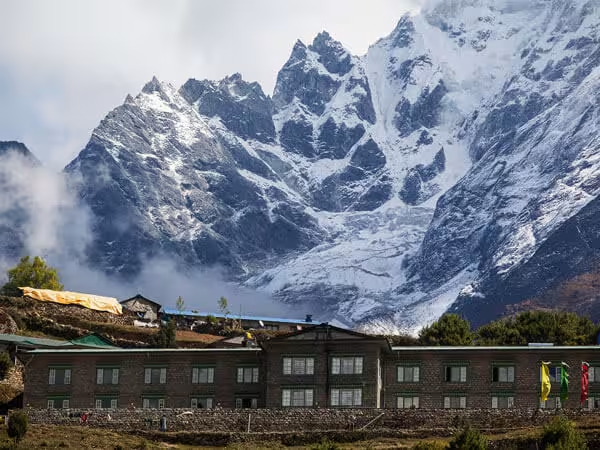
From Namche, the trail continues toward Tengboche, home to the region’s most significant monastery. At 3,867m, Tengboche sits on a forested ridge with wide views of the Everest–Lhotse massif, often at its most striking in early morning or evening light. Many experienced trekkers find this perspective more rewarding than views from Everest Base Camp.

The focus of the trek is the spiritual and cultural landscape around the Dawa Choling Gompa (Tengboche Monastery), rather than altitude milestones. Walking days pass through villages, forests, and open viewpoints below the high alpine zone. Here, mountain scenery and Sherpa life are experienced together, not separately. This approach suits families, photographers, and travelers with limited time. Also, it appeals to those who value clarity, comfort, and observation over reaching a distant endpoint.

Everest View Trek Key Facts

  • Total Duration: 7 Days.
  • Start/End Point: Kathmandu.
  • Trek Start Point: Lukla (2,860 m).
  • Highest Elevation: Tengboche (3,867 m).
  • Primary Everest Viewpoints: Syangboche Ridge, Hotel Everest View, Tengboche Monastery Ridge.
  • Approximate Trek Distance: 40–45 km (round trip).
  • Difficulty Level: Moderate (comfortable walking days, no high-alpine exposure).
  • Accommodation: Family-run mountain lodges (teahouses).
  • Sleeping Elevation Range: 2,610 m (Phakding) to 3,867 m (Tengboche).
  • Average Walking Time: 4–6 hours per day.
  • Best Seasons: Spring and Autumn.
  • Permits Required: Sagarmatha National Park Entry Permit and Khumbu Pasang Lhamu Rural Municipality Permit.
  • Trek Focus: Everest viewpoints, cultural immersion, and moderate altitude travel.

What Makes the Everest View Trek Different

  • It is structured around meaningful stopping points, not distance targets. Daily walks are planned to reach specific locations—ridges, monasteries, and open viewpoints—where time can be spent observing the landscape. Progress is measured by experience rather than mileage alone.
  • It follows a lived-in mountain landscape. The route remains connected to villages where people live, work, and practice their traditions year-round. Mani walls, prayer wheels, schools, and grazing yaks are encountered as part of daily life, creating a sense of continuity that disappears on routes designed solely around elevation gain.
  • It builds flexibility into the itinerary itself. Because the trek is not anchored to a distant endpoint, each day allows room for pauses—whether for short side walks, cultural visits, or simply time to sit and take in the surroundings. Progress is not measured by urgency, but by presence.
  • It manages altitude through design, not endurance. Sleeping elevations remain moderate, and ascent is gradual by intention. This approach reduces the need for constant physical adjustment and allows travelers to stay engaged with their surroundings.
  • It moves away from the crowd-driven rhythm of classic routes. While early sections overlap with other treks, the Everest View itinerary gradually separates in purpose. The result is quieter mornings, less pressure on accommodations, and places where people are no longer rushing toward a shared objective.
  • It stands as a complete journey in its own right. This trek is not a shortened version of something else. It is planned as a self-contained experience with its own rhythm, meaning, and sense of arrival—without relying on altitude milestones to define success.
Trip Highlights

Journey Highlights

A stop at Hotel Everest View, 3,880 meters above sea level, is a highlight of the Everest View Trek
Hotel Everest View

One of the highest hotels in the world, included as part of your acclimatization day

Experience a spectacular mountain flight to Lukla Airport, the unforgettable starting point for every Everest trekking adventure.
Fly to Lukla

One of the world's most scenic mountain airports, to begin your Himalayan journey.

Experience the timeless charm of the Khumbu as you pass through traditional Sherpa villages surrounded by Himalayan scenery and rich local culture.
Travel through charming mountain villages

Travel through mountain villages including Phakding, Monjo, Khumjung, and Tengboche.

Unobstructed view of Mount Everest and Ama Dablam from Tengboche on the Everest View Trek
An unobstructed Everest view

An unobstructed Everest view from Tengboche, clearer and less commercialized than the view most 5-day itineraries settle for at Namche

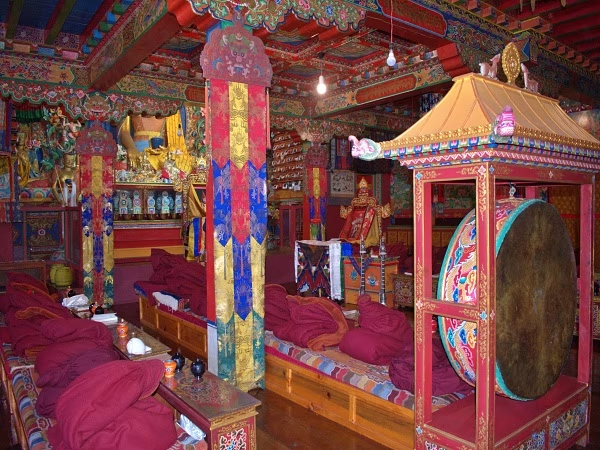
Prayer hall inside Tengboche Monastery with traditional Buddhist artwork on the Everest View Trek
Tengboche Monastery

The largest and most significant monastery in the Khumbu, with a real chance of witnessing a ceremony

Who This Trek Is Ideal For

This trek is not defined by how far you go, but by how you experience the journey. It suits travelers who value awareness, comfort, and context as much as the mountains themselves.

i. Travelers Who Value Perspective Over Proximity

Some people are less interested in standing at the farthest point and more drawn to seeing the full picture. This trek appeals to those who understand that mountains reveal themselves differently from a distance—where ridgelines, light, and scale come together without distraction. If your idea of a memorable view is one that allows you to take it in fully, this approach will feel intuitive.

ii. Those Who Prefer an Active but Unhurried Pace

This journey is well-suited to travelers who enjoy walking but do not want every day to end in exhaustion. If you like having the energy to linger over a cup of tea, talk with your guide, or explore beyond the main trail, the rhythm of this trek will feel natural. 

iii. First-Time Himalayan Trekkers Seeking Confidence

For many, this journey serves as an introduction to Himalayan travel. It is well-suited to travelers who are curious about the region and prefer an experience that emphasizes steady progress and comfort over physical strain.

iv. Nature-Focused Walkers

This route suits people who pay attention to their surroundings. If you find meaning in forest transitions, birdlife, rivers, and seasonal color, the daily walks offer variety and detail that reward observation. The landscape remains expressive and alive throughout the journey.

v. Travelers Drawn to Culture and Everyday Life

This trek resonates with people interested in how life unfolds in the mountains. Time spent near villages, monasteries, and communal spaces offers quiet insight into Sherpa culture. If your highlights include conversations, rituals, and shared moments rather than altitude markers, this journey aligns well with your priorities.

Itinerary

Everest View Trek Detailed Itinerary

Flights to Lukla may operate from Ramechhap instead of Kathmandu during peak trekking seasons, requiring an early road transfer. Mountain weather can also cause flight delays, so allow some flexibility in your international travel plans.

The trail to Namche Bazaar includes steep uphill sections, stone steps, and suspension bridges. Take your time on climbs and watch your footing on descents. Daily walking hours depend on your pace, weather, and trail conditions.

Your acclimatization day in Namche Bazaar includes a hike toward Hotel Everest View at approximately 3,880 m, followed by a return to Namche for the night. Walk at a comfortable pace and inform your guide immediately if you experience a headache, nausea, dizziness, or unusual fatigue.

Mountain weather can change quickly, and evenings are often cold, particularly at higher elevations. Teahouse rooms are generally simple, and bedrooms may not be heated. Keep warm layers, rain protection, and drinking water in your daypack for easy access throughout the trek.

Day 1 - Flight to Lukla (2,860m) & Trek to Phakding (2,610m)

Max. Altitude: Approx. 2,860 m (Lukla)

Sleeping Altitude: Approx. 2,610 m (Phakding)

Accommodation: Tea House

Meals: Lunch and Dinner

Your adventure begins with an early morning airport transfer. The 35-minute flight to Lukla offers spectacular aerial views of the Himalayas. Upon landing, you will begin a steady descent toward the Dudh Koshi River. The trail winds through the traditional Sherpa hamlets of Chaurikharka and Ghat, where you will stop for lunch. The final stretch to Phakding features carved prayer stones and iconic suspension bridges. Total trekking time is approximately four hours.

Note on Peak Season Flights: During Spring and Autumn, Lukla flights operate from Ramechhap rather than Kathmandu to reduce air traffic congestion.

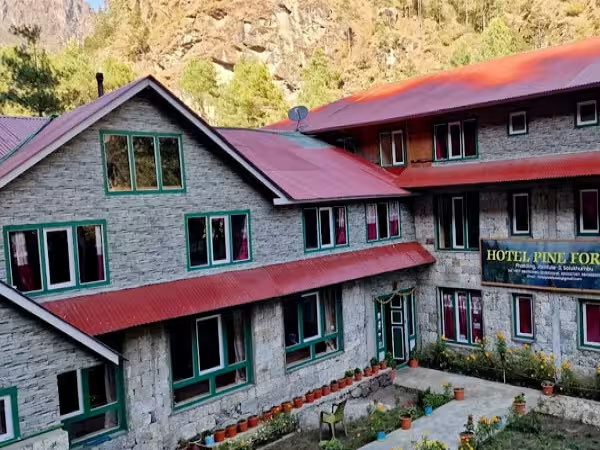
Where You’ll Sleep
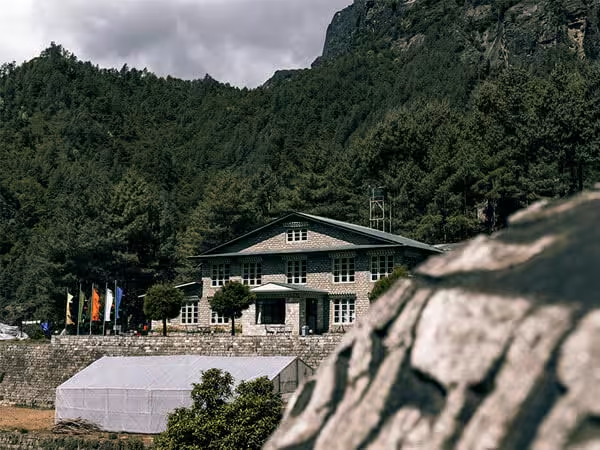
Hotel  Pine Forest
Facilities
  • Hot Shower 
  • En-suite bathroom 
  • Private Room
  • Heated dinning
  • Full board meal
  • Electric Blanket

Day 2 - Trekking to Namche Bazaar (3,440m)

Max. Altitude: Approx. 3,440 m

Sleeping Altitude: Approx. 3,440 m

Accommodation: Tea House

Meals: BLD

Today introduces the iconic geography of the Khumbu, but we keep our pace slow and steady. After entering Sagarmatha National Park at Monjo, we cross the high Hillary Suspension Bridge and tackle the famous Namche uphill climb. We take this forested trail at a slow pace, stopping often to hydrate. Halfway up, we'll catch our very first glimpse of Mount Everest through the pine trees.


Note: If children or seniors get tired, local horse assistance can be easily arranged at Monjo.

Where You’ll Sleep
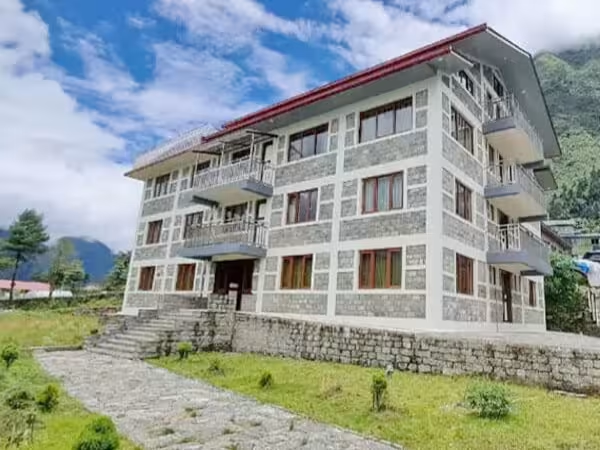
Yeti Mountain Home  Namche
Facilities
  • Mountain Views
  • Heated Blankets
  • Full bedding
  • Ensuite Bathroom
  • Full Board
  • Hot Drinks
  • Happy Hour
  • Spa
  • Library
  • Laundry

Day 3 - Acclimatization Hike to Hotel Everest View (3,880 m)

Max. Altitude: Approx. 3,880 m (Everest View Hotel)

Sleeping Altitude: Approx. 3,440 m

Accommodation: Tea House

Meals: BLD

To adapt safely to the thinning air, we climb high and sleep low. We’ll take a relaxed morning hike up to the ridge-top Hotel Everest View. There is nothing quite like sitting on their stone terrace with a hot cup of tea, looking out at an unobstructed panorama of Everest, Lhotse, and Ama Dablam. Spend your afternoon exploring the vibrant bakeries, markets, and the Sherpa Culture Museum back down in Namche.

Where You’ll Sleep
Yeti Mountain Home  Namche
Facilities
  • Mountain Views
  • Heated Blankets
  • Full bedding
  • Ensuite Bathroom
  • Full Board
  • Hot Drinks
  • Happy Hour
  • Spa
  • Library
  • Laundry

Day 4 - From Namche Bazaar to Tengboche Monastery (3,867 m)

Max. Altitude: Approx. 3,867 m

Sleeping Altitude: Approx. 3,867 m

Accommodation: Tea House

Meals: BLD

The trail out of Namche hugs wide ridges offering sweeping valley views, with Ama Dablam guiding us straight ahead. After a riverside lunch at Phunki Thanga, we wind upward through beautiful forests of rhododendron and silver fir to the grassy plateau of Tengboche. In the late afternoon, we will step quietly into the famous Tengboche Monastery to hear the soothing evening chants of the resident Buddhist monks.


Tip: This forest climb gets cold fast when the sun drops; keep a warm layer at the top of your daypack.

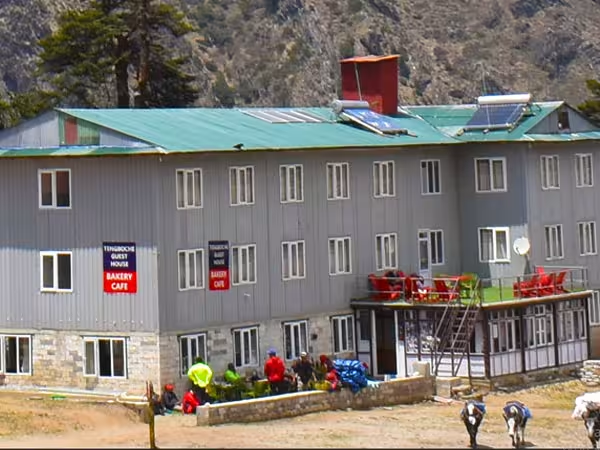
Where You’ll Sleep
Tengboche guest house
Facilities
  • Hot Shower
  • Everest view
  • En-suite bathroom 
  • Private Room
  • Heated dinning
  • Full board meal
  • Electric Blanket

Day 5 - Return Journey from Tengboche (3,867 m) to Monjo (2,835 m)

Max. Altitude: Approx. 3,867 m (Tengboche)

Sleeping Altitude: Approx. 2,835 m (Monjo)

Accommodation: Tea House

Meals: BLD

You will instantly feel the thick, oxygen-rich air filling your lungs today as we head back down the valley. We retrace our steps through the rhododendron glades, navigate the rolling trails past Sanasa, and wave farewell to Namche Bazaar. We continue downward to the peaceful, green sanctuary of Monjo, which breaks up the return trek beautifully and gives your joints a well-deserved rest.


Tip: Tighten your laces at the ankle to avoid painful toe blisters on long downhills.

Where You’ll Sleep
Yeti Mountain Home Manjo
Facilities
  • Mountain Views
  • Heated Blankets
  • Full bedding
  • Ensuite Bathroom
  • Full Board
  • Hot Drinks
  • Happy Hour

Day 6 - Trekking from Monjo (2,835 m) Back to Lukla (2,860 m)

Our final day on the trail follows the winding path along the Dudh Koshi River, crossing back over the high suspension bridges that first welcomed you a week ago. With a profound sense of shared achievement, we’ll make the final, gentle climb back up into Lukla. Tonight is all about celebration—enjoying a final dinner with our incredible local porters and sharing stories in a lively mountain cafe.

Where You’ll Sleep

Day 7 - Flight from Lukla (2,860 m) to Kathmandu (1,400 m)

Max. Altitude: Approx. 2,860 m (Lukla)

Sleeping Altitude: 1400 m (Kathmandu)

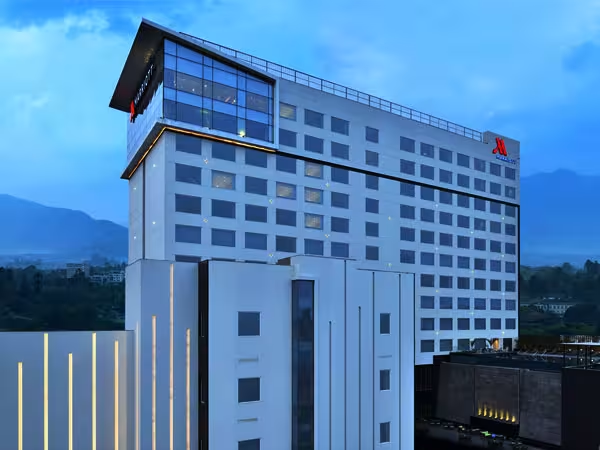
Accommodation: 3-Star Hotel

Meals: Breakfast

Your unforgettable Himalayan journey wraps up with an early breakfast and one last scenic flight out of Lukla, giving you a spectacular bird's-eye view of the massive ridges you just explored on foot. Upon landing, our team will drive you right back to your hotel for a long-awaited hot shower and a relaxing afternoon exploring the colorful streets of Thamel.

Where You’ll Sleep
Make Your Own Itinerary
Getting There

Kathmandu's Tribhuvan International Airport is served by direct and one-stop flights from most major hubs in Asia and the Gulf; travelers from the US, Europe, and Australia typically connect through Doha, Istanbul, Delhi, Singapore, or Bangkok. From Kathmandu, the trek begins with a short mountain flight to Lukla, or, during peak-season air traffic restrictions, a road transfer to Ramechhap followed by the same flight from there.

Sublime Trails representative will come to pick you at the airport. So we will be meeting at Tribhuvan International Airport to start the amazing journey.

Map And Altitude Chart

Everest View Trek Map and Altitude Chart

Interactive Map
StartMid DaysEnd
Cost Details

Inclusions & Exclusions

What’s Included
  • Lukla flights both ways (or Ramechhap transfer if applicable)
  • All meals and teahouse accommodation for 5 nights
  • Licensed guide and porter (1 porter per 2 trekkers, up to 15kg)
  • Sagarmatha National Park and Khumbu Rural Municipality permits
  • Guide and porter insurance
What’s Excluded
  • Travel insurance (recommended, though evacuation risk is lower than our higher-altitude treks)
  • Nepal visa fee
  • Hot showers and personal expenses
  • Guide and porter tips
Trip Departure

Dates & Booking

Cancellation Policy
Secure Payment
Monday
09 Nov 2026
to
Sunday
15 Nov 2026
Status
Guaranteed
US$1020
Wednesday
11 Nov 2026
to
Tuesday
17 Nov 2026
Status
Guaranteed
US$1020
Friday
13 Nov 2026
to
Thursday
19 Nov 2026
Status
Guaranteed
US$1020
Saturday
14 Nov 2026
to
Friday
20 Nov 2026
Status
Guaranteed
US$1020
Sunday
15 Nov 2026
to
Saturday
21 Nov 2026
Status
Guaranteed
US$1020
Monday
16 Nov 2026
to
Sunday
22 Nov 2026
Status
Guaranteed
US$1020
Wednesday
18 Nov 2026
to
Tuesday
24 Nov 2026
Status
Guaranteed
US$1020
Friday
20 Nov 2026
to
Thursday
26 Nov 2026
Status
Guaranteed
US$1020
Saturday
21 Nov 2026
to
Friday
27 Nov 2026
Status
Guaranteed
US$1020
Sunday
22 Nov 2026
to
Saturday
28 Nov 2026
Status
Guaranteed
US$1020
Monday
23 Nov 2026
to
Sunday
29 Nov 2026
Status
Guaranteed
US$1020
Wednesday
25 Nov 2026
to
Tuesday
01 Dec 2026
Status
Guaranteed
US$1020
Friday
27 Nov 2026
to
Thursday
03 Dec 2026
Status
Guaranteed
US$1020
Saturday
28 Nov 2026
to
Friday
04 Dec 2026
Status
Guaranteed
US$1020
Sunday
29 Nov 2026
to
Saturday
05 Dec 2026
Status
Guaranteed
US$1020
Monday
30 Nov 2026
to
Sunday
06 Dec 2026
Status
Guaranteed
US$1020

Book at least 2 weeks ahead for permit processing. This itinerary has more schedule flexibility than our higher-altitude treks, given its shorter length and lower weather sensitivity.

Fixed group departures run weekly year-round, given this trek's accessible altitude and shorter length. Private departures available on any date.

Didn’t find a suitable date?
Don’t miss last minute deals
Ask For last minute stops
Local Guide

Meet Our Local Guide

Ganesh Adhikari (Prakash)
Trekking Guide
Language:English
Experience:25 Years
Guided Places:All Region in Nepal
Mr. Suman Khadka
Trekking Guide
Language:English
Experience:14 Years
Guided Places:Every Region in Nepal
Bibek Khadka
Trekking Guide
Language:English
Experience:9 Years
Guided Places:Tibet and Every Region in Nepal
Dawa Sona Sherpa
Trekking Guide
Language:English
Experience:15 Years
Guided Places:High Altitude Region above 4000
Food and Accommodation

What You’ll Eat & Where You’ll Stay

Accommodation During the Trek

During the Everest View Trek, you will stay in local teahouses and mountain lodges in Phakding, Namche Bazaar, and Tengboche. Rooms are generally twin-sharing, with basic beds, mattresses, pillows, and blankets. Most lodges have shared bathrooms, while some offer private facilities at an additional cost.

Heating is usually available in the communal dining area, but bedrooms can be cold, especially at higher elevations. Hot showers, Wi-Fi, and device charging may cost extra. Accommodation becomes simpler as you approach Tengboche, so bringing a warm sleeping layer is recommended.

Food During the Everest View Trek

Teahouses along the Everest View Trek serve a mix of Nepali, Sherpa, and international dishes. Meals provide the energy you need for daily walks to Namche Bazaar and Tengboche. You can also try dal bhat, a traditional Nepali meal, which is a popular choice among trekkers.

Food options are generally varied in Namche Bazaar but may be more limited in Tengboche. Vegetarian meals are widely available, while trekkers with allergies or special dietary requirements should inform their guide in advance.

Meals Include
Breakfast
  • Porridge and muesli
  • Eggs and toast
  • Pancakes and Tibetan bread
  • Chapati
  • Tea and coffee
Lunch
  • Dal bhat
  • Fried rice
  • Vegetable noodles
  • Pasta and momos
  • Sandwiches and soup
Dinner
  • Dal bhat
  • Sherpa stew
  • Noodle soup
  • Fried rice and pasta
  • Potatoes and vegetable curry
Equipment list

Everest View Trek Equipment list

equipment
Know before you go! Some stuff we’ll provide, other things you’ll need to bring.

Training & Preparation

This is one of the most accessible treks in our Everest lineup. Training for it should reflect that, rather than over preparing for a demanding itinerary it is not.

  • Cardio, 2 to 3 times a week, building toward 45 to 60 minute sessions. Days on this trek run shorter than our other Everest packages, typically finishing by early afternoon.
  • General fitness matters more than technical trekking experience here. Families, first time trekkers, and older travelers complete this route regularly without a dedicated training block. Basic conditioning still makes the experience more enjoyable.
  • This trek stays well below where serious altitude risk typically begins. That makes it a genuine option for travelers testing whether high altitude travel suits them before committing to a longer itinerary.

Even at modest altitude, mild symptoms are possible for anyone. Listen to your body and tell your guide if something feels off. This matters regardless of how gentle this itinerary is compared to our other options. Also you can check our detailed article on how to train for everest region trekking, so that you won't have difficulty while trekking in Nepal.

Reviews

Client’ Testimonials and their Experiences

C
Awesome trekking to EBC

We recently completed the Everest Base Camp trek with Sublime Trails, and the experience exceeded all expectations. From the moment we arrived in Kathmandu, the team was organized, professional, and incredibly supportive.

Our guide was knowledgeable, patient, and deeply familiar with the trail, local culture, and altitude-related concerns. He ensured we were safe, well-acclimatized, and comfortable every step of the way. The porters were equally impressive — always cheerful and reliable despite the challenging terrain.

Logistics were seamless — airport pickups, teahouse accommodations, permits, and meals were all taken care of smoothly. Sublime Trails also stood out in how they balanced professionalism with a personal touch. We never felt rushed, and every question or concern was met with genuine care.

The Everest region is breathtaking, and having a dependable agency like Sublime made the entire trek even more enjoyable. I highly recommend them to anyone planning this once-in-a-lifetime adventure.

Chin See - Singapore
May 09, 2025
C
Best Guides I Could Ever Ask For

Guide Ajit is well-versed and knows the precise details of what it takes to do a successful trek in the mountains of Nepal. Only an experienced guide will tell you to take the safer wall side of a narrow trail when mules are carrying heavy loads through the same path. He collaborated with Ram to ensure a smooth trip for all of us. I'm also thankful that I was grouped with some of the most amazing people (fellow trekkers) on the trek.

Although the teahouses on the trail are basic, Sublime Trails did their best to make us comfortable throughout. I certainly rate them an A+ to do a trek in the Everest region and the mountains of Nepal.

Caroline Lee - Japan
July 23, 2023
Xenin L
Wholesome Annapurna Trip with Sublime Trails and my guide Mr. Ajit

I want to express my gratitude to Mr. Ram Khadka from Sublime Trails for his effort in making this trip the best of my life. I was worried about altitude sickness, but the guide took care of me all the time. He was a very good person and a guide.

The food was good. Also, the ethnic foods were tasty at Ghandruk. The sunset and sunrise were also at their best. The trip was good and also Mr. Ram gave me a complementary Kathmandu tour. The best company. Thanks for being my tour partner. Can’t wait to be in Nepal anytime soon.

Xenin L - Singapore
June 13, 2022
Essential

Know Everything Before You Go Everest View Trek

Here are some of the essential information you need to know about Everest View Trek.

Porter and Weight Limitation

The Lukla flight allows up to 15 kg of luggage per person, including hand luggage. Each porter carries up to 12 kg per trekker, so pack only essential items for the trail.

Travel Etiquette

  • Always pass mani walls, chortens, and prayer wheels on your left, walking clockwise. This is a real Buddhist observance, not a suggestion, even on a gentler itinerary like this one.
  • Ask before photographing monks, ceremonies, or people directly. A smile and a gesture toward your camera is usually enough. A shaken head means no, and that's the end of it.
  • Remove your shoes before entering Tengboche Monastery's prayer hall. Keep your voice low inside.
  • Yield the trail to porters, yaks, and mule trains. Stay on the uphill side when you do, particularly if traveling with children who may need reminding.
  • A small monastery donation is appreciated but never expected. Don't make a show of it either way.
  • Dress modestly in villages, even in trekking gear. Covered shoulders and knees matter to local families whose homes double as your teahouse.
  • Tipping is customary, not mandatory. Guides and porters rely on it as real income. Ask your operator for a typical range rather than guessing.

Lukla Flight Delays and Alternatives

Lukla flight delays are the most common disruption on the Everest View Trek, even on a shorter itinerary like this one. Weather in the Khumbu affects every flight regardless of how far up the valley you're traveling.

When scheduled flights are delayed by weather, a private helicopter charter is often available as a faster alternative for trekkers willing to pay for it. This typically costs US$400 to $500 per person from Kathmandu to Lukla.

This itinerary already runs only seven days. We still recommend building at least one buffer day into your international return flight. A short trip carries the same weather risk on the single flight it depends on.

Everest Viewpoints Without Base Camp

It is a common misconception that the best view of Everest is found at its base. In reality, the towering Nuptse ridge obscures the summit from Base Camp. This trek is strategically designed to hit "The Sweet Spot"—elevations where the mountain’s full scale, from the South Col to the summit, is visible in high definition.

1. The Syangboche Ridge: The Grand Cinema Panorama

Located just above Namche Bazaar, this is one of the few places on earth where you can see the Everest-Lhotse-Nuptse wall in its entirety. Unlike the cramped views from higher altitudes, Syangboche offers a wide-angle perspective. You can see the giants rising over the top of the lower foothills, providing a sense of scale that is lost when you are standing directly beneath them.

2. The Hotel Everest View: The Balcony of the World

This is not just a rest stop—it is a legendary vantage point. Sitting at 3,880m, you are at the perfect height to see the summit plume (the snow blowing off the peak). From this balcony, Everest appears framed perfectly between the ridges, often reflected in the glass of the windows behind you. It offers a civilized way to witness the wildness of the peak.

3. The Tengboche Plateau: The Spiritual Angle

Many veteran photographers consider Tengboche to be the finest viewpoint in the Himalayas. Because the village sits on a high, grassy ridge, there is no foreground obstruction. You see the summit of Everest peaking over the Lhotse wall, with the symmetrical "Mother’s Charm" of Ama Dablam standing guard to the right. The contrast between the ancient monastery and the ice-white peaks creates a visual depth that Base Camp simply cannot match.

4. The Golden Hour on the Lhotse Face

By staying at lower altitudes, you are often positioned to see the Alpenglow, where the setting sun turns the mountain face a deep orange or gold. Higher up at Base Camp, you are often "in the shadow" of the mountains long before sunset. From our lower viewpoints, the light lingers longer, providing the best conditions for photography and observation.

Sherpa Culture: Life in the Shadows of the Giants

While many travelers associate Sherpa culture primarily with high-altitude climbing, the Everest View Trek explores a more intimate side of their heritage. At these moderate elevations, the landscape is not just a trail—it is a home. This journey offers a window into a lifestyle where spiritual devotion and mountain living are woven into the fabric of daily life.

a. The Living Monastery: Dawa Choling (Tengboche)

While EBC trekkers often pass through Tengboche in a state of physical exhaustion, this itinerary treats the monastery as a destination, not a milestone.

The Unique Angle: Focus on the soundscape. The resonance of the morning Puja (prayer ceremony), the deep hum of the long horns (dungchen), and the rhythmic chanting create a sensory experience that requires a quiet mind to appreciate. By staying overnight at this elevation, you witness the monastery when the day-trippers have left, experiencing the true spiritual silence of the Khumbu.

b. The Architecture of Devotion: Beyond the Prayer Flag

The lower Khumbu is a gallery of Sherpa artistry. This trek prioritizes the Human Landscape:

The Mani Walls: You will walk past ancient stone walls hand-carved with the mantra Om Mani Padme Hum. These aren't just relics—they are ongoing communal projects.

The Chortens: These white-domed stupas are strategically placed at trail junctions and ridges. On this trek, you have the time to learn their meaning—as symbols of the five elements and as anchors for the local community.

c. The Khumbu Heartland Culture

In Namche Bazaar and the surrounding villages like Khunde and Khumjung, Sherpa life is defined by more than just tourism.

The Unique Angle: Focus on the Highland Commons. Observe the communal potato fields, the intricate stone masonry of the houses, and the traditional kitchens that serve as the heart of every home. This trek allows for conversation with lodge owners and locals about the challenges and beauty of raising families in the mountains—a perspective often missed by those rushing toward the glacier.

d. A Philosophy of Protection

The Sherpa people view the mountains as sacred—specifically Khumbila, the protective deity of the region whose mountain remains unclimbed. On this trek, you aren't conquering a peak—you are a guest in a sacred landscape. This shift in perspective—from conqueror to observer—is the defining cultural difference of the Everest View Trek.

Everest View vs. Everest Base Camp

Choosing between these two routes depends on whether you value a destination or a perspective. While the Classic EBC trek is a famous bucket list challenge, the Everest View Trek is a curated experience of the region’s best features.

1. The Visual Experience: The EBC trek takes you to the foot of the mountain, but the summit actually disappears from view as you get closer. In contrast, the Everest View Trek stays at the perfect distance to keep the entire Everest-Lhotse-Nuptse massif in sight. You see the massive scale of the peaks, rather than just the rock and ice at their base.

2. Physical & Mental Toll: The journey to Base Camp is a test of endurance. It involves long days in a low-oxygen environment, often leading to heavy fatigue. This 7-day trek prioritizes energy and clarity. You spend your time in "The Green Zone," where the air is thicker, and the climate is milder. You return home feeling rejuvenated rather than depleted.

A Comparision at Nutshell:

Feature Everest View Trek Everest Base Camp Trek
Duration 7 Days (Compact) 12–14 Days (Demanding)
Max Altitude Approx. 3,880 m (Comfortable) Approx. 5,545 m (High Risk)
Scenery Forests & Wide Panoramas Glaciers & Lunar Landscapes
Vibe Cultural & Relaxed Athletic & Achievement-based

Looking for a longer Himalayan adventure? Explore our Everest Base Camp Trek for a closer look at the world's highest mountain and its legendary base camp.

The Seasonal Experience

Timing your trek depends on what you want to see. Because this route stays below the extreme alpine zone, each season offers a completely different look to the landscape.

Spring (March–May):

Spring is the most vibrant time to visit. The highlight of this season is the blooming rhododendron forests between Phakding and Tengboche. You will walk through tunnels of pink and red flowers with white peaks in the background. The weather is mild, and the mountain views are usually clear in the mornings.

Autumn (September–November):

This is the gold standard for photography. After the monsoon rains, the dust is gone, and the air is incredibly sharp. You get the deepest blue skies and the most consistent views of the Everest summit. While the trails are busier, the social energy in Namche Bazaar is at its peak.

Winter (December–February):

Most EBC trekkers avoid winter due to the freezing heights, but this trek remains a hidden gem during these months. Daytime temperatures at these lower elevations are often pleasant under the sun. You will have the viewpoints to yourself, and the crisp winter air provides the most stable, cloud-free views of the entire year.

Summer (June–August):

This is the Green Season. While clouds can hide the peaks, the landscape becomes an emerald paradise. The waterfalls along the Dudh Koshi River are at their most powerful. If you don't mind a bit of mist and rain, you will experience the Khumbu at its most lush and quiet.

Average Temperature Guide:

Season Months Daytime Temperature Nighttime Temperature
Spring Mar – May 10°C to 15°C -5°C to 0°C
Autumn Sept – Nov 10°C to 15°C -5°C to 0°C
Winter Dec – Feb 0°C to 5°C -10°C to -5°C
Summer June – Aug 15°C to 20°C 5°C to 10°C

Trekking Permits

To enter the Everest region, you are required to hold two specific permits. These help fund the conservation of the UNESCO-listed Sagarmatha National Park and support the local communities in the Khumbu Pasang Lhamu Rural Municipality.

Permit Name International Travelers SAARC Nationals
Sagarmatha National Park NPR 3,000 NPR 1500
Khumbu Pasang Lhamu Rural Municipality NPR 3,000 NPR 2000

Travel Insurance

Specialized travel insurance is a mandatory requirement for trekking in Nepal. While this route stays at moderate altitudes, your policy must explicitly cover trekking up to 4,000m and include emergency helicopter evacuation. Standard travel policies often exclude high-altitude activities. Therefore, double-check that your provider covers medical treatment and airlifts from remote areas. Having this safety net ensures that in the unlikely event of an emergency, you are fully protected without out-of-pocket costs.

Buy your policy before you leave home regardless. Even a low altitude ceiling doesn't remove the value of trip interruption coverage, particularly for Lukla flight delays.

Enough Dreaming About It
One simple step to start your Himalayan journey. Select your trek, select your dates and book your space with Sublime Trails in minutes. Bookings include expert local guides, permits and personalized itinerary support. Flexibility in rescheduling and open pricing.
Book Now
Tell Us Your Version
Every Sublime Trails experience is made for you. Extend your journey, include a cultural stay, improve your lodging or combine several regions into one unforgettable expedition. Tell us how you want to experience and we will make an itinerary that suits your pace, budget and dreams.
Customize Trip
Have Questions? Talk to a Local Expert.
Ram, Banuka, and Kabiraj have planned hundreds of Nepal treks and tours for travelers just like you. Message them directly on WhatsApp and get a personalized plan back the same day.
Let’s Plan Your Trip — Call or WhatsApp
+977 9851183278
Free Trip Planning
Ram Khadka
Ram Khadka
Trip Planner
Banuka Dhakal
Banuka Dhakal
Nepal Tour Planner
Kabiraj Kafle
Kabiraj Kafle
Trip Planner

More Journeys in This Region

Upgraded
Everest base camp trek

Everest Base Camp Trek

Duration:14 Days
Grade:Strenuous
Price From
US$1350
US$1400
Trekker posing on a snowy ridge with Mount Everest in behind during the luxury Everest Base Camp Trek in Nepal

Everest Base Camp Luxury Trek

Duration:13 Days
Grade:Moderate
Price From
US$5700
Everest Mani Rimdu Festival

Everest Mani Rimdu Festival Trek

Duration:18 Days
Grade:Strenuous
Price From
US$1700
Need Help? Call Us+977 9851183278