The final climb to Kala Patthar often looks short when trekkers first see it from Gorak Shep. You can point toward the rocky ridge and explain where the viewpoint sits. Yet, once the team starts climbing, everyone quickly understands that distance is not the biggest challenge.
At 5,545 meters (18,192 feet), even a comfortable walking pace becomes demanding. Trekkers who have walked for several days through the Khumbu Valley may suddenly find themselves stopping more frequently. Breathing becomes harder, steps become shorter, and the cold morning air adds another challenge.
As a Nepal-based trekking operator, I approach Kala Patthar differently from an ordinary sightseeing stop. I do not simply plan to get everyone to the highest point. I look at how the team has handled the previous trekking days, how everyone feels at Gorak Shep, and whether the conditions are suitable for the ascent.
After more than 13 years of organizing trekking adventures in Nepal, our team at Sublime Trails understands that a successful Himalayan journey depends on decisions made throughout the itinerary, not just on summit morning.
This guide explains how we approach the Kala Patthar climb, what trekkers should expect along the trail, and why reaching 5,545 meters requires more than physical fitness.
Why Kala Patthar Is More Than an Everest Viewpoint
Most people first hear about Kala Patthar because of its famous view of Mount Everest. It is one of the most rewarding viewpoints in the Khumbu region, offering a perspective of Everest's summit that trekkers cannot get from Everest Base Camp.
However, when I discuss this climb with our trekking teams, I explain that the experience involves much more than taking photographs.
Kala Patthar sits above Gorak Shep, the last settlement on the traditional Everest Base Camp trekking route. From here, the trail climbs toward a rocky ridge overlooking some of the highest mountains on Earth.
The viewpoint is particularly important because Everest Base Camp does not offer the same direct view of Everest. Nuptse obstructs much of the upper mountain from the base camp area.
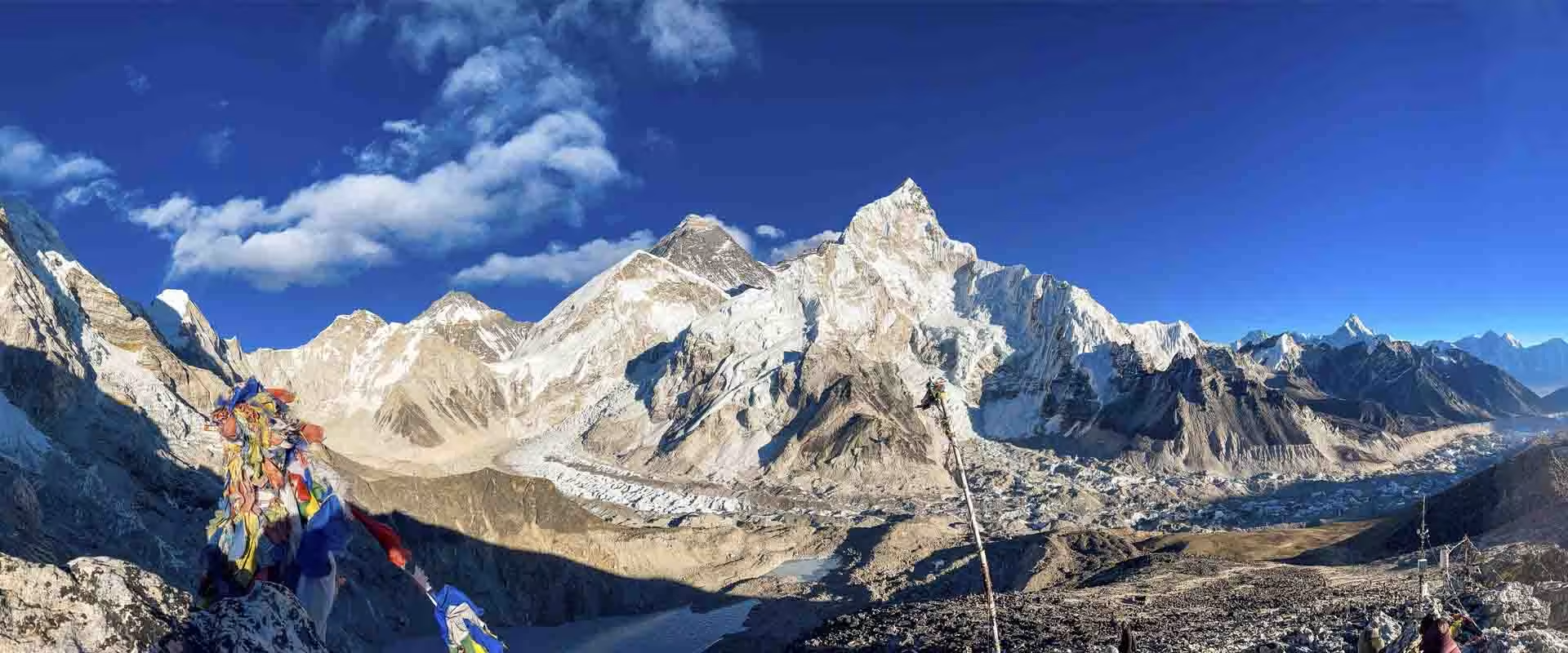
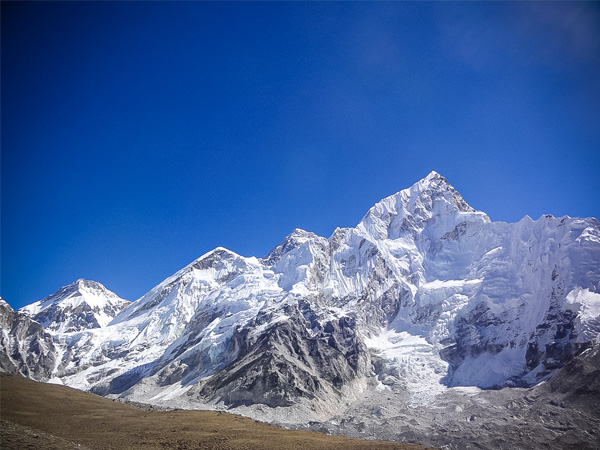
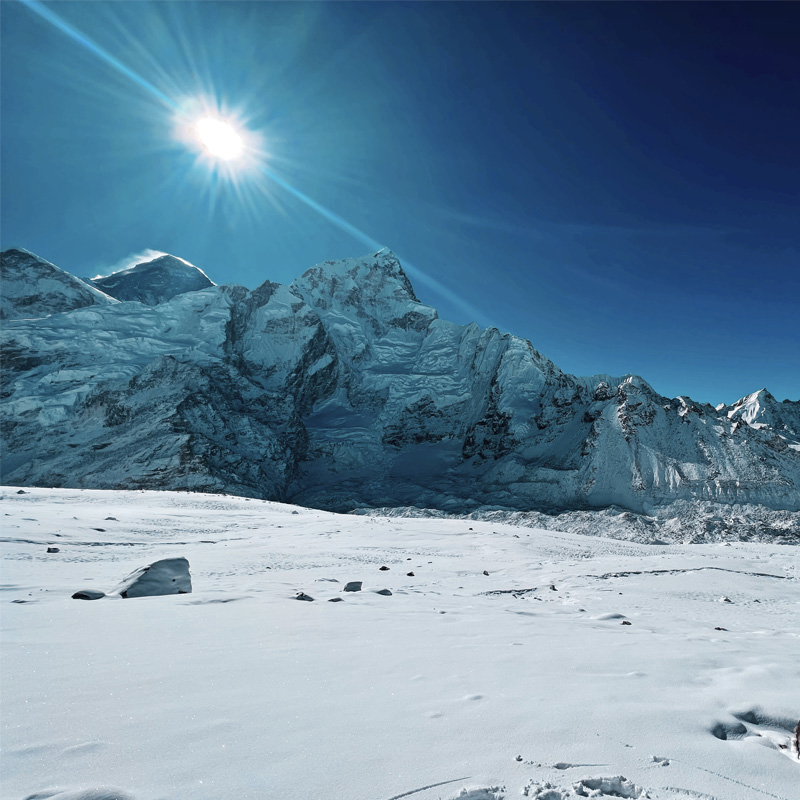
At Kala Patthar, the viewing angle changes. Trekkers can see the distinctive upper section of Everest, along with Nuptse, Lhotse, Pumori, and the Khumbu Glacier.
Why We Include Kala Patthar in Our Everest Itinerary
When planning an Everest Base Camp itinerary, I consider Kala Patthar an important part of the overall experience, provided the trekkers are properly acclimatized and feel well enough.
Everest Base Camp and Kala Patthar serve different purposes.
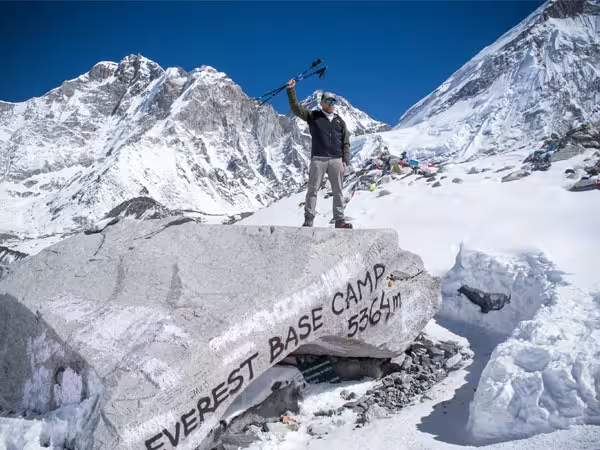
At Base Camp, you experience the expedition environment, the Khumbu Glacier, and the landscape surrounding the world's highest mountain. At Kala Patthar, you gain a wider perspective of Everest and its neighboring peaks.
I therefore prefer to explain these two stops separately rather than treating them as interchangeable destinations.
The decision to include the viewpoint also depends on the team's condition. Reaching Kala Patthar is rewarding, but nobody should feel pressured to climb simply because it appears on the itinerary.
Understanding the Kala Patthar Elevation: What 5,545 Meters Really Feels Like
The elevation of the Kala Patthar trekking viewpoint is 5,545 meters (18,192 feet).
This makes it higher than Everest Base Camp, which sits at approximately 5,364 meters.
Location
Approximate elevation
Namche Bazaar
3,440 m
Dingboche
4,410 m
Lobuche
4,910 m
Gorak Shep
5,164 m
Everest Base Camp
5,364 m
Kala Patthar viewpoin
5,545 m
The difference between Gorak Shep and Kala Patthar is approximately 381 meters in elevation. That might not seem significant on paper, but the experience changes considerably as you climb.
Why Does the Climb Feel So Difficult?
The biggest challenge is the reduced availability of oxygen at high altitude.
Your body has to work harder to maintain the same level of activity. A walking speed that feels comfortable at Namche Bazaar can become exhausting above 5,000 meters.
I often explain this to trekkers before the final ascent: Do not compare your walking speed at Kala Patthar with your walking speed at lower elevations.
There is no benefit in trying to maintain the same pace.
You may notice:
More frequent breathing breaks.
Reduced walking speed.
Heavier legs during uphill sections.
Difficulty maintaining conversation while climbing.
Greater sensitivity to cold and wind.
A stronger need to rest between steep sections.
These experiences can occur even among people who regularly exercise.
Physical fitness helps, but it does not eliminate the effects of altitude. Someone who runs regularly can still struggle at 5,545 meters.
Is Kala Patthar Higher Than Everest Base Camp?
Yes. Kala Patthar is approximately 181 meters higher than Everest Base Camp.
However, elevation alone does not explain the difference between these experiences.
The route to Base Camp takes trekkers across the rocky terrain around the Khumbu Glacier. Kala Patthar requires a separate uphill climb from Gorak Shep.
This is why I recommend treating the Kala Patthar hike as a separate trekking objective rather than an automatic extension of the Base Camp visit.
How We Lead Our Team From Gorak Shep to Kala Patthar
This is where the guide's role becomes particularly important.
I do not consider the Kala Patthar climb a simple morning walk. Before taking a team toward the viewpoint, I want to understand how everyone is responding to the altitude.
The decisions begin before summit morning.
Before Leaving Gorak Shep
Gorak Shep sits at approximately 5,164 meters. By the time trekkers reach this settlement, they have already completed several demanding days of walking.
I pay attention to how the team arrives.
Are people eating normally? Are they sleeping reasonably well? Does anyone have a persistent headache, nausea, dizziness, or unusual fatigue?
These details matter more than how quickly someone completed the previous day's walk.
Before the ascent, I discuss the following with the team:
Their physical condition after reaching Gorak Shep.
Any symptoms they have experienced during the previous day.
The weather forecast and expected visibility.
The planned departure time.
Clothing and equipment for the early morning cold.
The expected walking duration and return plan.
I also explain that anyone feeling unwell should report it immediately. Hiding symptoms to avoid delaying the group is never acceptable.
How We Decide the Departure Time
Many trekkers want to reach Kala Patthar before sunrise.
The reason is understandable. Watching the first sunlight reach Everest's summit is an extraordinary experience.
However, I do not believe every team should follow the same departure time.
The start depends on the season, weather, walking ability, and the condition of the group.
For a sunrise attempt, we generally plan an early departure, allowing enough time for a slow ascent. The exact timing should be discussed with the guide the previous evening.
A headlamp is essential because the trail is dark before dawn.
How We Manage the Walking Pace
Once the team starts climbing, I focus on maintaining a comfortable and sustainable pace.
I do not encourage trekkers to race toward the viewpoint or follow someone who is walking much faster.
The group needs to understand that the final ascent is not a fitness competition.
My approach is to:
Start slowly rather than using too much energy on the lower section.
Maintain a comfortable distance between trekkers.
Allow short breaks when people need them.
Check how everyone is feeling during the ascent.
Avoid pushing anyone who is struggling.
Reassess the situation when weather or health conditions change.
A guide should also recognize when the team needs to slow down or turn back.
The objective is to make a sensible decision based on the people in front of us, not simply follow a fixed schedule.
When Someone Cannot Continue
This is an important part of guiding that often gets overlooked in online trekking articles.
Not everyone responds to altitude in the same way. One trekker may reach the viewpoint comfortably, while another may struggle even after following the same acclimatization schedule.
If someone develops symptoms of altitude sickness, I do not encourage them to continue climbing.
The response depends on the symptoms and their severity. Worsening symptoms require immediate attention and descent. Severe symptoms such as confusion, difficulty walking, or breathlessness at rest are medical emergencies.
A guide must prioritize the affected trekker's safety and arrange appropriate assistance.
Reaching Kala Patthar is an achievement. Knowing when not to continue is also part of responsible trekking.
What Trekkers Experience Along the Kala Patthar Trail
The trail from Gorak Shep to Kala Patthar is relatively short compared with the earlier days of the Everest Base Camp trek. However, its terrain and elevation make it a demanding climb.
The route follows rocky ground above Gorak Shep. As you gain elevation, the surrounding mountain landscape becomes increasingly impressive.
The Initial Ascent From Gorak Shep
The trail starts climbing from the settlement, and you gradually leave the main village behind.
At this point, I encourage trekkers to settle into a slow rhythm. There is no reason to use all your energy during the first part of the climb.
The ground consists mainly of rocks and uneven sections. Trekking boots with good grip are important, especially when conditions are cold or the trail is covered with snow.
The Steeper Sections Near the Upper Ridge
As you continue climbing, the slope becomes more demanding.
This is usually where trekkers begin to notice the altitude more clearly. People who were comfortable walking earlier may need more frequent breaks.
The upper section also requires attention to footing. Loose rocks and uneven surfaces can make the ascent and descent uncomfortable.
I recommend keeping your hands warm and maintaining a steady pace rather than stopping for long periods unnecessarily.
Reaching the Main Viewpoint
The commonly used trekking viewpoint sits around 5,545 meters.
Once you reach the upper ridge, the surrounding mountains open up into an impressive panorama.
However, I always remind trekkers not to rush the final section simply because the viewpoint is close.
At this elevation, the last few minutes can feel harder than expected.
Take your time, follow the trail, and avoid unnecessary movement around exposed or unstable ground.
How Long Does the Kala Patthar Hike Take?
The approximate walking times are:
Hiking section
Typical time
Gorak Shep to Kala Patthar
1.5–2.5 hours
Kala Patthar to Gorak Shep
1–1.5 hours
Total round trip
Around 3–4 hours
Walking speed, weather, snow conditions, acclimatization, and individual health can change the duration.
I prefer leaving enough flexibility in the itinerary rather than promising that everyone will reach the viewpoint within a specific time.
Reaching the Summit: What You Actually See From Kala Patthar
The most rewarding part of the climb is the view.
From the main Kala Patthar viewpoint, Mount Everest stands prominently above the surrounding ridges. You also get a remarkable perspective of the mountains and glaciers that define the upper Khumbu region.
Mount Everest
The main attraction is Everest's distinctive summit.
At 8,848.86 meters, Mount Everest dominates the landscape. From Kala Patthar, you can see its upper slopes and summit rising above the surrounding mountain ridges.
This is one reason the viewpoint has become such an important stop on the Everest Base Camp trek.
Nuptse and Lhotse
Nuptse forms a dramatic mountain wall close to Everest. Its ridges are particularly prominent from the viewpoint.
Lhotse, the fourth-highest mountain in the world, stands beside Everest and forms another important part of the panorama.
These mountains help explain the scale and complexity of the Khumbu mountain landscape.
Pumori and the Khumbu Glacier
Pumori rises near Kala Patthar and creates another striking feature of the scenery.
Below the viewpoint, the Khumbu Glacier stretches through the upper valley. Its rocky surface and ice formations provide a different perspective of the landscape trekkers have crossed during their journey.
Why We Recommend Sunrise
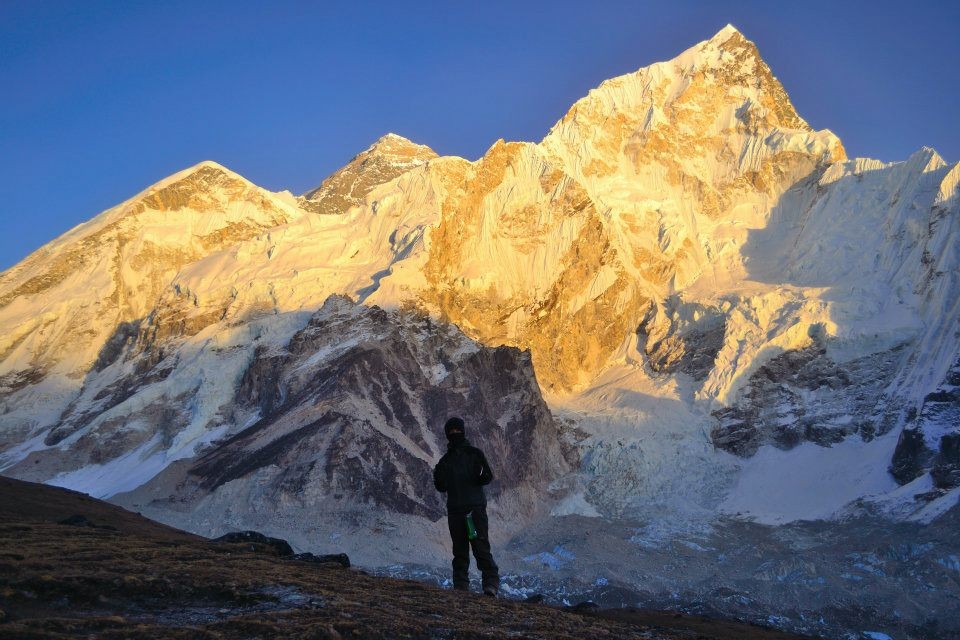
When the weather cooperates, sunrise can be one of the best times to photograph Everest.
The changing light gradually illuminates the mountain peaks, creating a golden appearance on their upper slopes.
However, sunrise is not automatically the best option for every trekker.
Cold temperatures, strong winds, cloud cover, and poor visibility can affect the experience. I would rather adjust the schedule than send an unwell team into difficult conditions just to catch the first light.
The mountain will still be there. Your safety comes first.
How We Prepare Trekkers for the Kala Patthar Ascent
Good preparation for Kala Patthar begins well before reaching Gorak Shep.
I do not consider one successful summit morning a result of physical fitness alone. The earlier days of the trek, the acclimatization schedule, and the decisions made along the route all contribute.
Acclimatization Comes Before the Summit
The most important part of preparation is allowing the body enough time to adjust to increasing elevation.
Our itineraries give particular attention to acclimatization at Namche Bazaar and Dingboche.
These stops are not wasted days. They help trekkers adjust before continuing toward higher settlements.
However, acclimatization does not guarantee that altitude sickness will not occur.
Even people who have trekked at high altitude before can experience problems.
I encourage everyone to communicate openly about headaches, nausea, dizziness, unusual weakness, and changes in their general condition.
Physical Training Before Arriving in Nepal
You do not need to become a professional athlete to complete the Everest Base Camp trek.
However, arriving with reasonable endurance makes the experience more manageable.
Before traveling, I recommend preparing through:
Regular long-distance walking.
Uphill hiking.
Stair climbing.
Cardiovascular exercise.
Leg-strengthening exercises.
Practice walks with a moderately loaded backpack.
If possible, include several hours of walking in your weekly routine.
Training should prepare you for consecutive trekking days, not just one difficult climb.
What We Recommend Carrying
For the final Kala Patthar ascent, I recommend keeping your daypack light.
You should carry:
A warm down jacket.
Thermal base layers.
Windproof outer clothing.
Insulated gloves and a warm hat.
Trekking boots with good grip.
A headlamp for early departures.
Water and energy snacks.
Sunglasses and sunscreen.
Personal medication.
A camera or smartphone.
Cold temperatures can affect electronic equipment, particularly batteries. Keep spare batteries protected from the cold.
You do not need to carry your entire trekking backpack to the viewpoint.
When We Recommend Climbing Kala Patthar
The best time to climb Kala Patthar depends on what you want from the experience and the conditions during your trek.
For most trekkers, spring and autumn offer the most favorable opportunities.
Spring: March to May
Spring is a popular season for trekking in the Everest region.
Temperatures gradually become warmer, and mountain visibility can be excellent.
March can still bring cold conditions and snow at higher elevations. April and early May are particularly popular among trekkers and Everest expedition teams.
However, afternoon clouds can affect visibility. This is one reason we consider early morning departures when conditions are suitable.
Autumn: September to November
Autumn is another excellent season.
Following the monsoon, the atmosphere often becomes clearer, creating good opportunities for mountain photography.
October is particularly popular for Everest Base Camp trekking. November is colder, especially during early mornings and evenings, but can still provide excellent mountain views.
Winter and Monsoon
Kala Patthar in Winter
Winter trekking is possible, but it requires additional preparation.
Snow, ice, and freezing temperatures can make the Kala Patthar ascent more challenging. Early morning conditions can be particularly uncomfortable.
During the monsoon, cloud cover and precipitation can reduce visibility. The upper Khumbu region generally receives less rainfall than many lower Himalayan areas, but conditions remain unpredictable.
For trekkers primarily interested in clear mountain views, I generally recommend considering October, November, April, or early May.
Common Mistakes Trekkers Make on the Kala Patthar Hike
After organizing trekking adventures in Nepal for more than 13 years, our team understands that small decisions can influence the entire experience.
Here are mistakes I encourage trekkers to avoid.
Trying to Walk Too Fast
Some trekkers become competitive when they see others moving quickly.
This is unnecessary at 5,545 meters.
Your pace should match your condition, not another person's fitness level.
A slower ascent is often more manageable and allows you to conserve energy.
Ignoring Early Symptoms of Altitude Sickness
A headache or nausea should never be hidden from your guide.
Trekkers sometimes assume these symptoms are normal consequences of hard walking. However, they can indicate altitude sickness.
Report symptoms immediately. Do not continue ascending when altitude sickness is suspected.
Wearing Inadequate Clothing
The temperature at Gorak Shep and Kala Patthar can be extremely low, especially before sunrise.
A regular trekking jacket may not provide enough insulation.
Layering, proper gloves, and a warm outer jacket make a significant difference.
Treating Kala Patthar as a Guaranteed Summit
A fixed itinerary cannot account for every mountain condition.
Weather changes, altitude symptoms, and individual fitness can affect the plan.
I always recommend keeping the itinerary flexible enough to make responsible decisions.
Forgetting About the Descent
Trekkers often focus entirely on reaching the viewpoint.
However, the descent also requires attention.
Loose rocks, fatigue, and cold conditions can increase the risk of slipping. Use trekking poles if you are comfortable with them, and maintain control on steep sections.
Is Kala Patthar Worth the Climb During the Everest Base Camp Trek?
My answer is yes, provided you are properly acclimatized and feel well enough to attempt it.
Kala Patthar gives you a different perspective of Everest than the one you experience at Base Camp.
The climb also allows you to appreciate the scale of the upper Khumbu Valley. You see the mountains, glaciers, and surrounding landscape from a viewpoint that is difficult to replace with another stop on the traditional trekking route.
At Sublime Trails, we approach this experience as part of the wider Everest journey.
Our priority is not simply getting trekkers to 5,545 meters. We focus on planning the journey, allowing adequate acclimatization, providing local support, and making decisions based on actual conditions.
For trekkers planning a traditional walking journey, we recommend discussing the route and acclimatization schedule with our team before selecting an itinerary.
The best experience is not always the one that reaches the highest point. It is the one that allows you to enjoy the mountains while respecting their conditions.
Conclusion: Reaching 5,545 Meters Is About More Than Reaching the Top
The Kala Patthar summit is one of the most rewarding viewpoints in Nepal, but the experience begins long before the final ascent.
By the time you reach Gorak Shep, your body has already completed several days of trekking. The final climb tests your ability to manage altitude, maintain a steady pace, and make sensible decisions.
As guides and trekking professionals, we believe the quality of an Everest journey depends on these decisions. We plan around acclimatization, assess the team's condition, and adjust the schedule when necessary.
At Sublime Trails, our 13 years of trekking operations in Nepal have reinforced one important lesson: a successful Himalayan adventure is not measured only by the elevation you reach.
It is measured by how safely and meaningfully you experience the mountains.