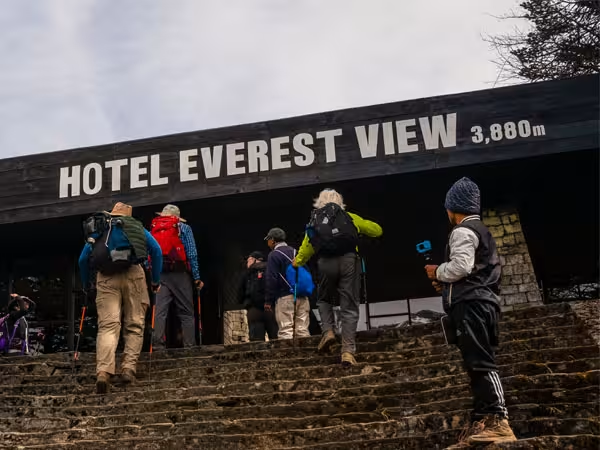
Is the Everest Base Camp Trek Suitable for Older Trekkers?
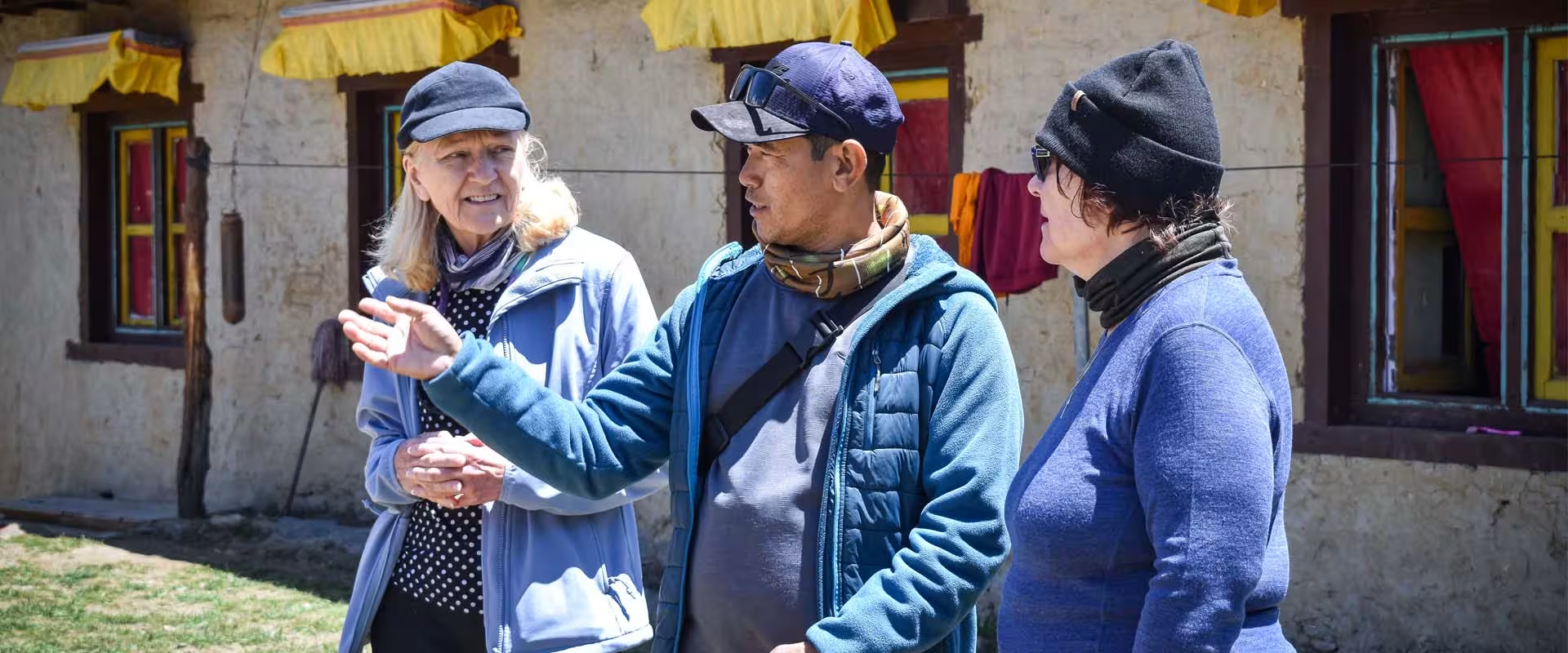
Yes, older travelers can complete the Everest Base Camp trek if their health, fitness, and mobility are suitable for the journey. There is no single age limit that determines whether someone can participate. A healthy 70-year-old who regularly walks and exercises might handle the journey better than a younger traveler with little physical preparation.
Age alone does not tell you how well your body will respond to several days of walking at high altitude. Your cardiovascular health, joint strength, balance, previous trekking experience, and ability to recover after physical activity matter much more. You should also consider how comfortable you feel walking for several hours over uneven terrain while carrying a daypack.
The trek is demanding even for experienced hikers. You begin in the lower Khumbu region and gradually walk toward settlements such as Namche Bazaar, Tengboche, Dingboche, and Lobuche. Eventually, you reach Everest Base Camp at approximately 5,364 meters. At this elevation, even ordinary movements require more effort because of reduced oxygen availability.
Older trekkers should approach the journey as a gradual mountain experience rather than a race toward a destination. If you can walk comfortably, manage your health, and allow your body enough time to adjust, the trek can be a realistic goal.
Age Is Not the Only Measure of Trekking Ability
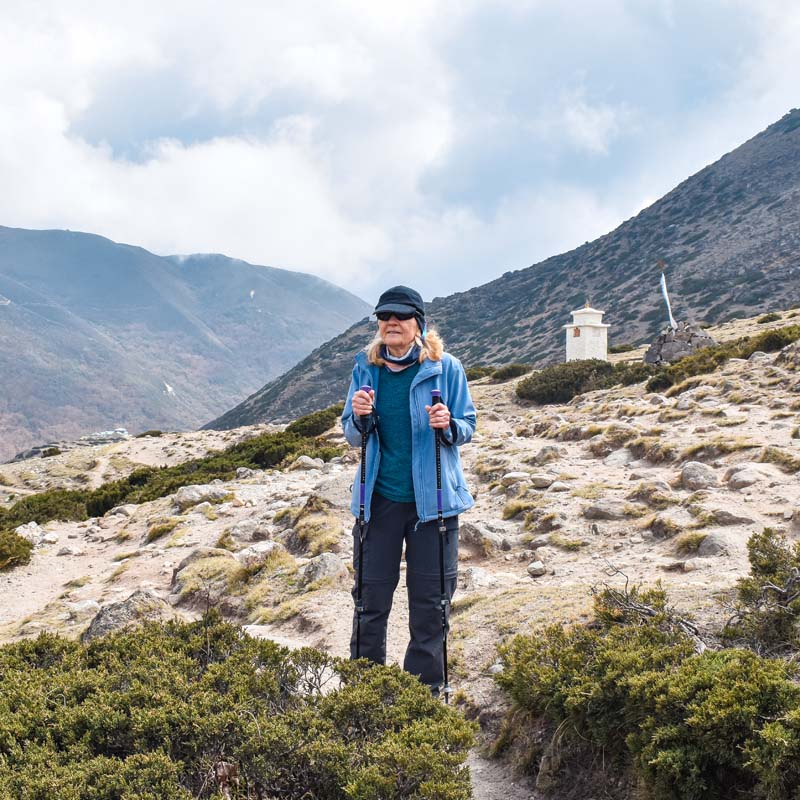
Consider two travelers preparing for the same journey. One is 58 and spends most of the year sitting at a desk. The other is 70 and walks regularly, cycles, and enjoys weekend hikes. Which person is better prepared?
This illustrates why general age recommendations can be misleading. Your current fitness and medical condition provide a more useful starting point than your birth year.
You should also be honest about existing limitations. Previous knee injuries, difficulty maintaining balance, cardiovascular conditions, and respiratory problems deserve attention before departure. These issues do not automatically prevent someone from trekking, but they can influence the itinerary, pace, and support required.
At Sublime Trails, we discuss these considerations during the planning process. This helps us understand your expectations and recommend suitable arrangements before you begin the journey.
The goal is not to prove that you can walk as quickly as someone younger. It is to enjoy the journey without placing unnecessary pressure on your body.
Understand the Physical Challenges Before You Go
The Everest Base Camp route is not technically difficult throughout, but it demands consistent physical effort. You will encounter stone staircases, rocky paths, suspension bridges, gradual climbs, and sections with loose gravel. Some days feel relatively comfortable, while others require several hours of continuous walking.
For older trekkers, understanding these challenges helps prevent unpleasant surprises. A trail that looks manageable in photographs can feel different after three consecutive days of walking. Your legs might recover more slowly, and small aches can become more noticeable as the trek progresses.
Long Walking Days and Uneven Trails
Most trekking days involve approximately four to seven hours of walking, depending on the itinerary, trail conditions, and individual pace. Some sections take longer because of steep climbs, weather conditions, or necessary breaks.
The climb toward Namche Bazaar is a good example. After crossing suspension bridges over the Dudh Koshi River, you face a sustained uphill section before reaching the town. The trail includes stone steps and steep sections that can place additional pressure on your knees.
The descent can be equally challenging. Walking downhill requires control and balance, particularly when the trail contains loose stones or slippery surfaces. If you already experience knee discomfort, repeated descents can become one of the most demanding parts of the trek.
Walking poles can help distribute some of the load and provide additional stability. Choose adjustable poles with comfortable grips before arriving in Nepal. Practice using them during your preparation walks so they feel natural on the trail.
You should also avoid carrying unnecessary weight. A light daypack containing water, snacks, personal medication, and an extra layer is usually enough when a porter carries your main luggage.
Cold Weather and High Altitude
Temperature and altitude create another challenge. As you gain elevation, temperatures generally become colder, particularly at night and during early morning departures.
Higher settlements such as Lobuche and Gorak Shep have basic mountain accommodation. Rooms can be cold, heating options are limited, and hot showers may cost extra or become unavailable during busy periods.
Reduced oxygen availability also affects your walking ability. You might find yourself stopping more frequently, even when climbing a relatively short hill. This is normal at high altitude, but unusual breathlessness, worsening fatigue, or other symptoms should never be ignored.
A comfortable clothing system makes a meaningful difference. Use thermal base layers, an insulating midlayer, a warm down jacket, gloves, and a wind-resistant outer layer. Keeping your hands and feet warm helps you remain comfortable during long periods outdoors.
Choose a Slower Everest Base Camp Trek Itinerary
One of the most important decisions older trekkers can make is choosing an itinerary with sufficient time.
Our standard 14-day Everest Base Camp trek follows the classic route through Namche Bazaar, Tengboche, Dingboche, Lobuche, and Gorak Shep. It includes dedicated acclimatization days in Namche and Dingboche.
However, some older travelers prefer additional recovery time or a more flexible walking schedule. We can discuss itinerary adjustments based on your fitness, health considerations, and travel preferences.
A slower itinerary gives you more control over the experience. You can take longer breaks, spend extra nights at important stops, and avoid unnecessary pressure to reach the next village before a particular time.
A longer trek does not mean a less rewarding experience. In fact, it can give you more opportunities to enjoy the landscape, interact with local communities, and appreciate the villages along the route.
Why Extra Days Make a Difference
Imagine reaching Dingboche after a demanding walk from Tengboche. In a standard itinerary, you have an acclimatization day before continuing toward Lobuche. However, an older traveler who feels unusually tired might benefit from another night before moving higher.
Additional days allow you to recover physically while giving your body more time to adjust to altitude. They also provide flexibility if weather conditions delay your departure or you experience minor health concerns.
Consider this planning framework when discussing your trek with our team:
| Trekking section |
Planning consideration |
| Lukla to Phakding |
Keep the first walking day relatively short |
| Phakding to Namche Bazaar |
Allow frequent breaks during the climb |
| Namche Bazaar |
Spend time acclimatizing before continuing |
| Namche to Tengboche |
Maintain a comfortable walking pace |
| Tengboche to Dingboche |
Avoid rushing the uphill sections |
| Dingboche |
Allow sufficient acclimatization and recovery |
| Dingboche to Lobuche |
Start early and walk steadily |
| Lobuche to Gorak Shep |
Allow time for the high-altitude section |
| Everest Base Camp |
Assess your condition before the final walk |
| Return journey |
Allow recovery time and flexibility |
This is a planning framework rather than a medically prescribed itinerary. Your guide will help manage the daily walking schedule, while any additional overnight stays can be discussed during booking.
You can also explore our Everest Base Camp trek route map to understand the villages, trail sections, and elevation changes before departure.
Give Acclimatization More Attention
Acclimatization deserves particular attention for older trekkers. It is the process through which your body gradually adjusts to lower oxygen availability at higher elevations.
As you climb, the amount of oxygen available with each breath decreases. Your body responds by increasing breathing and making other physiological adjustments. However, these changes take time.
You cannot force acclimatization by walking faster, exercising harder, or taking fewer breaks. In fact, rushing the ascent can increase your risk of altitude illness.
At Sublime Trails, we build dedicated acclimatization stops into our standard Everest Base Camp itinerary. We also discuss additional rest days when a guest's circumstances call for a slower approach.
Rest Days in Namche Bazaar and Dingboche
Namche Bazaar (approximately 3,440 meters) is an important acclimatization stop. Rather than immediately continuing toward Tengboche, trekkers spend an additional night in the town. Short walks toward Syangboche or nearby Sherpa villages provide opportunities for gentle activity before returning to sleep at Namche.
Dingboche (approximately 4,410 meters) provides another opportunity to adjust before continuing toward Lobuche. An acclimatization walk toward Nangkartshang Hill is a common option, although the distance and height reached should depend on how each trekker feels.
Remember the principle of climbing high and sleeping low. During acclimatization walks, you can gradually reach higher elevations before returning to your original sleeping altitude.
However, an acclimatization day should not become another demanding trekking day. Older travelers should keep the activity comfortable and avoid treating every available viewpoint as something they must reach.
One important point: feeling physically fit does not protect you from altitude sickness. Every trekker responds differently to increasing elevation.
Our guides monitor how guests feel throughout the journey and encourage them to report symptoms rather than hide discomfort. If someone struggles to adjust, we discuss the appropriate response before continuing upward.
For a more detailed explanation of altitude changes, sleeping elevations, and warning signs, read our guide to Everest Base Camp elevation and altitude sickness.
Consider Hiring a Private Trekking Guide
A private guide can make the Everest Base Camp experience considerably more comfortable for older travelers.
In a large trekking group, the guide generally needs to coordinate different walking speeds, meal breaks, accommodation arrangements, and daily schedules. Someone who walks slowly might feel pressured to keep up, while faster participants might become frustrated with frequent stops.
A private guide removes much of this pressure.
At Sublime Trails, we can arrange dedicated private guiding for travelers who prefer individual attention. You can discuss your preferred walking pace, rest breaks, and daily schedule directly with your guide.
For example, you might prefer to leave Namche Bazaar later in the morning after a relaxed breakfast. You could also request an extended lunch break or shorter walking sections with more frequent stops.
Our guides are familiar with the Khumbu trail and its changing conditions. They coordinate daily arrangements, monitor how guests are feeling, and help identify when someone needs additional rest or medical attention.
When choosing a trekking arrangement, ask about your guide's experience with older travelers, first-aid training, emergency communication equipment, and evacuation procedures.
Private guiding does not eliminate altitude risks or guarantee a successful trek. However, it gives you greater flexibility and more individual attention throughout the journey.
Arrange Porter Support to Reduce Physical Strain
Carrying a heavy backpack for several hours can make an already demanding trek much harder. Older travelers should consider hiring a porter so they can focus on walking comfortably.
A porter carries your main luggage between overnight stops, allowing you to travel with only a small daypack. This reduces the load on your shoulders, back, hips, and knees.
The difference becomes particularly noticeable during steep uphill sections and long descents. Instead of constantly adjusting a heavy backpack, you can concentrate on maintaining your balance and choosing comfortable steps.
At Sublime Trails, we arrange porter support as part of our trekking services. Our standard Everest Base Camp package includes one porter for every two trekkers. For private or customized arrangements, we can discuss suitable porter support according to your luggage requirements.
A practical daypack should contain drinking water, personal medication, snacks, sunglasses, sunscreen, and an extra warm layer. Keep anything you might need during the day easily accessible.
When arranging porter services, discuss luggage allowances and distribution beforehand. Avoid assuming that one porter can carry unlimited weight. We also encourage responsible porter practices, including suitable working conditions and appropriate luggage limits.
Your comfort should never come at the expense of another person's safety.
Prioritize Comfortable Accommodation and Meals
Accommodation in the Everest region becomes more basic as you gain elevation. Most trekkers stay in local teahouses, which provide rooms, meals, and basic facilities.
Older travelers should understand these conditions before departure. You will not find the same level of comfort available in Kathmandu throughout the trek.
At lower elevations, accommodation generally offers more facilities. However, higher settlements have limited infrastructure, and private bathrooms, reliable hot showers, and heated rooms are not always available.
When arranging your Everest Base Camp trek, we consider accommodation preferences and availability along the route. Our standard package includes selected lodges with better facilities at certain stops, while higher settlements generally have more basic teahouse accommodation.
If comfort is a priority, discuss your expectations with our team before booking. We can explain the available facilities and help arrange suitable options wherever possible.
Sleep quality deserves particular attention. Cold rooms, noise, unfamiliar bedding, and altitude-related sleep disturbances can affect your recovery. Carry comfortable sleepwear, warm socks, earplugs, and any prescribed equipment you need.
Food is another important consideration. Dal bhat, vegetable dishes, soups, potatoes, rice, and noodles provide useful energy during the trek. Choose meals that you tolerate well and eat regularly, even when your appetite decreases.
Drink enough fluids throughout the day, but follow medical advice if you have a condition that requires fluid restrictions. Avoid relying on alcohol to relax in the evenings, especially during the early stages of acclimatization.
Prepare Your Body Before the Trek
You should not wait until arriving in Nepal to start preparing for Everest Base Camp.
A structured fitness routine can make walking easier, improve balance, and help your body handle consecutive trekking days. However, preparation should match your current fitness level rather than follow an aggressive training schedule.
Ideally, begin preparing at least three months before departure. If you have limited walking experience or existing physical limitations, start earlier and progress gradually.
Walking should form the foundation of your training. Begin with comfortable sessions on flat ground, then gradually increase the distance and duration. Once you feel confident, introduce gentle hills and uneven surfaces.
Strength training is equally important. Exercises that strengthen your legs, hips, and core can help you manage uphill climbs and downhill sections. Chair squats, step-ups, calf raises, and supported balance exercises are useful examples, provided they are appropriate for your physical condition.
You should also practice using trekking poles and wearing the shoes you plan to take to Nepal. This gives you time to identify uncomfortable footwear or equipment problems before the journey.
Here is a sample weekly preparation routine:
| Activity |
Frequency |
Purpose |
| Comfortable walking |
3 days |
Build walking endurance |
| Hill walking |
1 day |
Prepare for uphill sections |
| Strength exercises |
2 days |
Improve leg and core strength |
| Balance exercises |
2–3 short sessions |
Improve stability |
| Rest and recovery |
1 day |
Allow muscles to recover |
Adjust this schedule according to your ability and medical advice. You should finish most training sessions feeling capable of doing more, rather than completely exhausted.
For a more detailed training plan, read our guide on how to train and prepare for Everest Base Camp. It explains the physical preparation and equipment considerations involved in the journey.
The aim is to arrive in Nepal with a body that is accustomed to regular movement.
Get Medical Advice Before Traveling to Nepal
A medical consultation should be an essential part of your Everest Base Camp preparation, particularly if you are over 60 or have existing health conditions.
High altitude places additional demands on your body. Reduced oxygen availability can affect people differently, and certain medical conditions require special consideration.
Discuss your trekking plans with a healthcare professional familiar with high-altitude travel. Be specific about the maximum elevation, expected walking duration, and remote nature of the route.
Your doctor should review your cardiovascular and respiratory health, blood pressure, medication requirements, previous altitude experiences, and any existing mobility concerns.
If you take regular medication, ask how to manage it during the trek. Bring enough supplies for the entire journey, plus a reasonable reserve in case weather or transportation problems delay your return.
You should also discuss whether acetazolamide, commonly known as Diamox, is appropriate for your situation. It can help speed up acclimatization, but it is not suitable for everyone and should only be used according to professional medical advice.
At Sublime Trails, we encourage older travelers to discuss their health and fitness with a qualified medical professional before booking. During the planning process, we also explain the route's altitude profile, daily walking expectations, accommodation conditions, and available emergency arrangements.
This allows us to understand relevant requirements and discuss suitable trekking arrangements before departure.
Do not assume that controlled blood pressure or a generally healthy lifestyle automatically makes high-altitude trekking safe. A proper medical assessment should consider your individual circumstances.
Pack Smart for Comfort and Safety
Packing for Everest Base Camp is not simply about bringing everything you might need. It is about choosing equipment that makes walking, sleeping, and recovering easier.
Older trekkers should pay particular attention to footwear, clothing, personal medication, and equipment that improves stability.
Start with comfortable, well-fitted trekking boots. They should provide good ankle support, reliable grip, and enough room for your toes. Avoid purchasing new boots immediately before departure. Wear them during your training walks to reduce the risk of blisters.
Trekking poles are another useful addition. They can improve stability on uneven trails and help reduce some of the load on your knees. Choose lightweight, adjustable poles that you can comfortably handle throughout the day.
Your clothing should accommodate changing temperatures. Layering works better than relying on one heavy jacket because you can adjust your clothing as your activity level and weather conditions change.
Here are some items worth prioritizing:
| Essential item |
Why it matters |
| Comfortable trekking boots |
Provide grip and foot protection |
| Adjustable trekking poles |
Improve stability on uneven ground |
| Down jacket |
Provides warmth at higher elevations |
| Thermal base layers |
Help maintain body warmth |
| Warm gloves and socks |
Protect against cold conditions |
| Personal medication |
Supports existing medical needs |
| Sunglasses and sunscree |
Protect against strong mountain sunlight |
| Small first-aid kit |
Helps manage minor injuries |
| Water bottle |
Makes regular hydration easier |
| Headlamp |
Useful during early starts and power interruptions |
Do not overpack. Your porter will carry your main luggage, but you should still keep your personal daypack light.
Also, consider packing spare prescription glasses, hearing aids and batteries, or any other equipment you depend on daily. These items can be difficult to replace in remote mountain villages.
For a complete equipment checklist, see our Everest Base Camp packing list. It covers clothing, footwear, trekking equipment, personal medication, and other essentials for the journey.
Understand Altitude Sickness and Its Warning Signs
Altitude sickness is one of the biggest concerns on the Everest Base Camp trek. It can affect younger and older travelers alike, regardless of their fitness levels or trekking experience.
Acute mountain sickness (AMS) commonly develops after ascending too quickly. Symptoms can include headache, nausea, dizziness, fatigue, and difficulty sleeping.
These symptoms should never be dismissed as ordinary tiredness. At high altitude, an apparently minor headache can be an early warning sign that your body is struggling to adjust.
More serious conditions include high-altitude cerebral edema (HACE) and high-altitude pulmonary edema (HAPE). Both require immediate medical attention and descent.
Watch for these warning signs:
- AMS: Headache, nausea, dizziness, unusual fatigue, and loss of appetite.
- HACE: Confusion, difficulty walking straight, reduced coordination, and unusual drowsiness.
- HAPE: Breathlessness at rest, persistent coughing, chest tightness, and unusual weakness.
If you experience symptoms of altitude sickness, inform your guide immediately. Do not continue ascending while symptoms persist.
Severe symptoms require immediate descent and emergency medical assistance. Your guide should know how to arrange an evacuation if necessary.
Our guides pay attention to how trekkers are adapting as the route gains elevation. They encourage guests to communicate openly about headaches, nausea, unusual fatigue, or breathing difficulties. We also explain the importance of following the planned acclimatization schedule rather than rushing toward the destination.
A pulse oximeter can provide additional information about blood oxygen saturation, but it cannot independently diagnose or rule out altitude sickness. Never use a normal reading as a reason to ignore symptoms.
The most important rule is simple: your health matters more than reaching Everest Base Camp.
Plan for Rest, Flexibility, and Possible Changes
One mistake older trekkers sometimes make is treating the itinerary as a fixed commitment. They assume that once they start walking, they must reach every overnight destination on the scheduled date.
This approach can create unnecessary pressure.
Mountain conditions are unpredictable. Weather can delay flights, trail conditions can change, and your body might need more recovery time than expected.
Build flexibility into your travel schedule from the beginning. Avoid booking your international departure immediately after your planned return from Lukla. Allow additional days in Kathmandu in case of flight delays or unexpected changes.
You should also avoid filling every evening with activities. After a long walking day, resting, eating a warm meal, and sleeping comfortably should take priority.
When arranging a private trek with Sublime Trails, we can discuss additional rest days and suitable adjustments to the itinerary. Your guide can also help coordinate daily arrangements if you need more time at an overnight stop.
However, rest should not be confused with ignoring medical symptoms. Normal muscle fatigue might improve after recovery, but worsening headaches, nausea, breathing difficulties, or coordination problems require proper assessment.
Planning for flexibility is not a sign of weakness. It is part of responsible high-altitude trekking.
Budget for a More Comfortable Trek
The cheapest Everest Base Camp package is not necessarily the best option for older travelers.
A lower-priced package might follow a fixed itinerary, offer limited flexibility, or provide less individual support. If you need a private guide, porter assistance, extra accommodation nights, or additional transportation arrangements, your budget should reflect those requirements.
Think about the experience you want rather than comparing packages based only on their advertised prices.
Your budget should account for:
- Private guide services.
- Porter support.
- Additional acclimatization days.
- Comfortable accommodation where available.
- Travel insurance covering high-altitude trekking and emergency evacuation.
- Personal medication and equipment.
- Additional nights in Kathmandu.
- Contingency funds for unexpected delays.
The exact cost depends on group size, trek duration, accommodation preferences, season, and services included.
For example, a solo traveler hiring a private guide and porter will generally have different expenses from someone sharing services with family members.
Before booking, request a clear breakdown of inclusions and exclusions. Ask whether meals, permits, accommodation, domestic transportation, guide insurance, and emergency support are included.
At Sublime Trails, we discuss these arrangements before departure so you understand what your package covers and which additional services you might need.
A well-planned budget gives you greater freedom to make decisions based on comfort and safety rather than financial pressure during the trek.
What If You Cannot Complete the Trek?
This is something many travelers hesitate to discuss before departure. However, it deserves an honest conversation.
Not everyone who starts the Everest Base Camp trek reaches the destination. Weather, altitude sickness, injuries, and personal health concerns can require changes to the original plan.
Older trekkers should understand that turning back is sometimes the best decision.
Reaching Everest Base Camp is an achievement, but it should never become more important than your well-being. If your guide or healthcare professional recommends stopping or descending, take that advice seriously.
You can also discuss alternative experiences before leaving Kathmandu. Depending on your health, location, and available transportation, you might explore lower-altitude villages, enjoy the views around Namche Bazaar, or consider a different way of experiencing the Everest region.
Some travelers may prefer an Everest helicopter tour as an alternative or addition to a trekking holiday. However, helicopter travel also involves high-altitude exposure, and certain landing locations require careful medical consideration. It is not automatically a safer option for everyone.
If you are considering this alternative, explore our Everest Base Camp helicopter tour and discuss your health requirements with a qualified medical professional before booking.
The best trekking experience is not always the one that ends at the highest point. Sometimes, knowing your limits and making a sensible decision is the greatest achievement.
Conclusion
The Everest Base Camp trek can be a rewarding experience for older travelers, but it deserves thoughtful preparation. You do not need to follow the same schedule as younger trekkers or prove that you can walk at the same speed as everyone else.
Instead, build your journey around your physical ability, health, and comfort. Allow additional days for acclimatization, consider private guiding, arrange porter support, and prioritize accommodation that helps you recover after each walking day.
At Sublime Trails, we work with older travelers to arrange suitable trekking experiences. We can help plan flexible itineraries, organize private guides and porters, discuss accommodation preferences, and provide practical guidance before departure. Our aim is to make the journey manageable while respecting the physical demands of the Everest region.
Medical preparation is equally important. Speak with your doctor before departure, understand the warning signs of altitude sickness, and make sure your travel insurance covers high-altitude trekking and emergency evacuation.
Most importantly, remain flexible. Some days will feel easier than others, and your body might need more time to recover. There is nothing wrong with taking an extra rest day or changing your plans when necessary.
The mountains will still be there. You do not have to rush to enjoy them.
Whether you are planning this journey in your 60s, 70s, or beyond, the right preparation can help you experience the Khumbu region with greater confidence.
Your journey to Everest should be planned around you.
If you are considering the Everest Base Camp trek and want an itinerary that considers your walking pace, comfort, and individual requirements, talk to the Sublime Trails team about planning your trek.