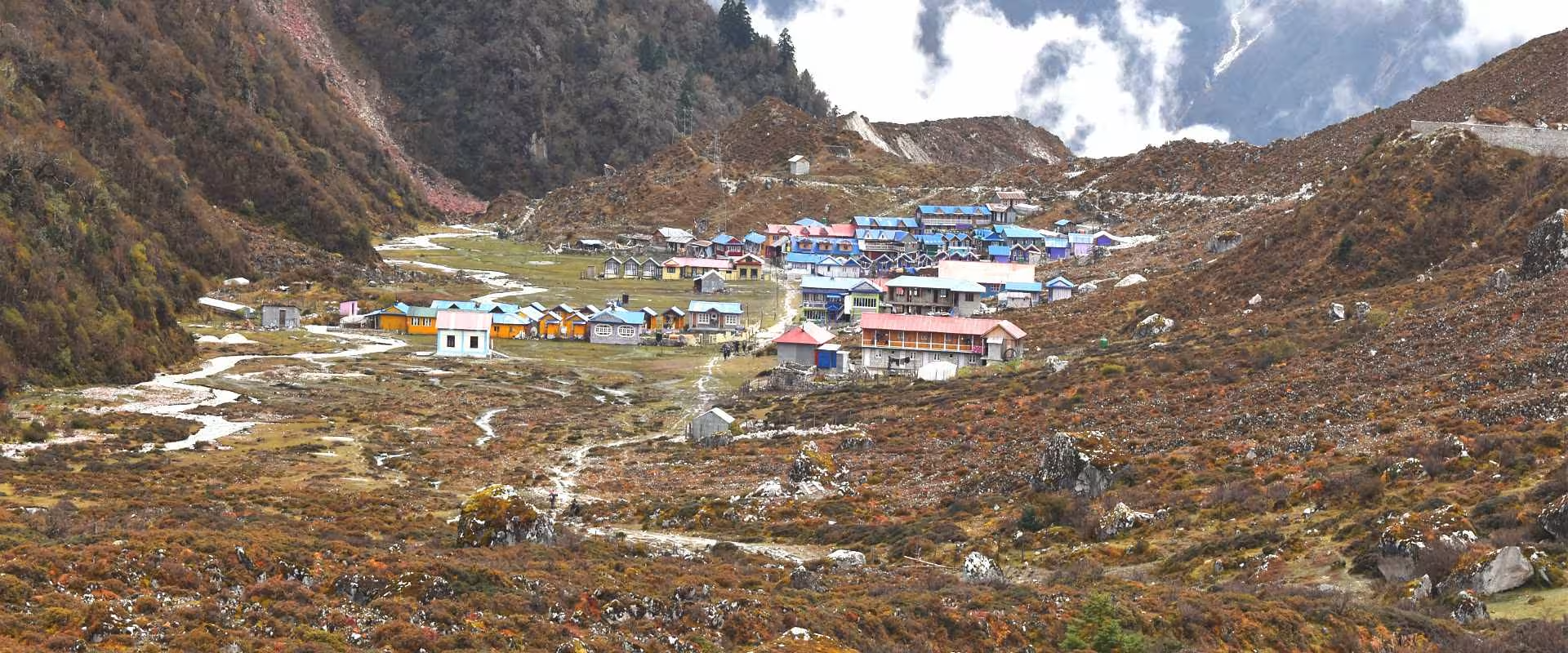
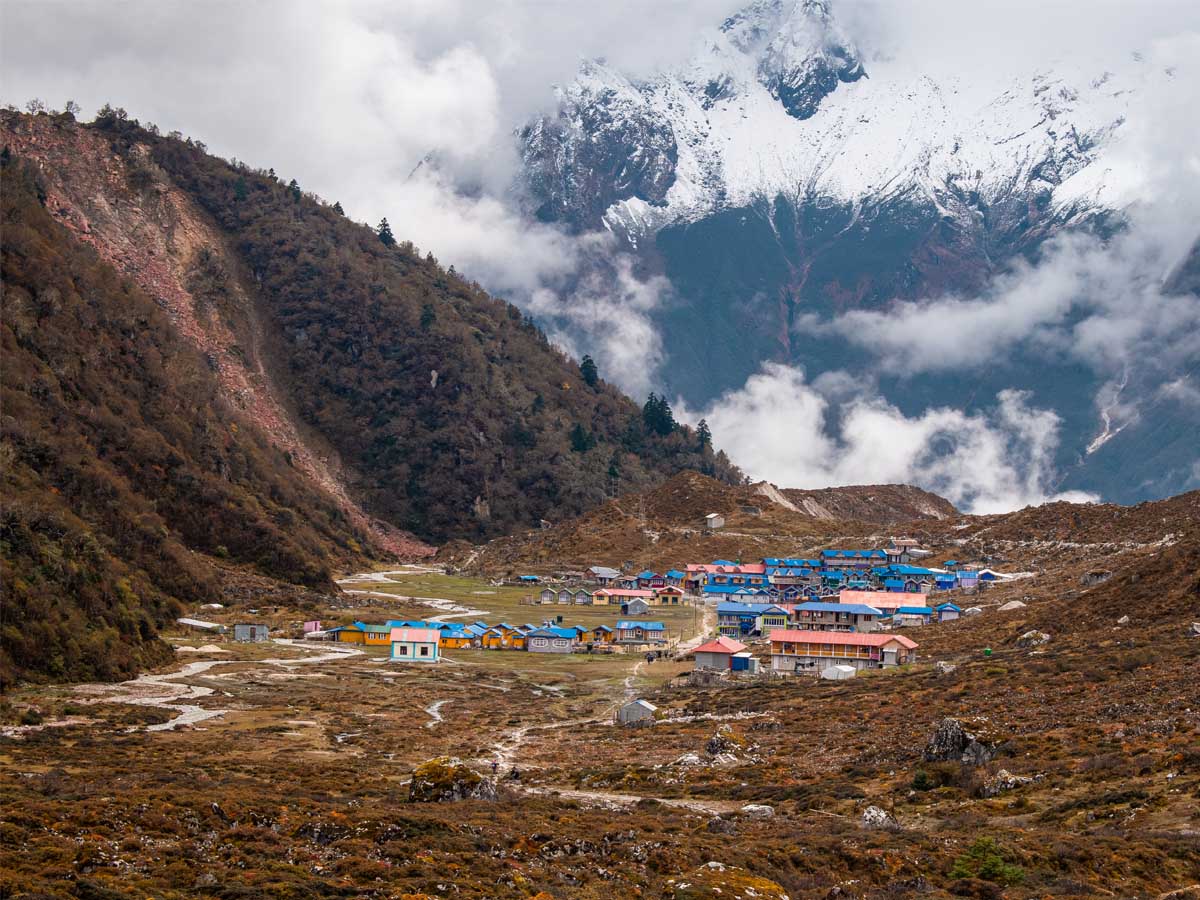
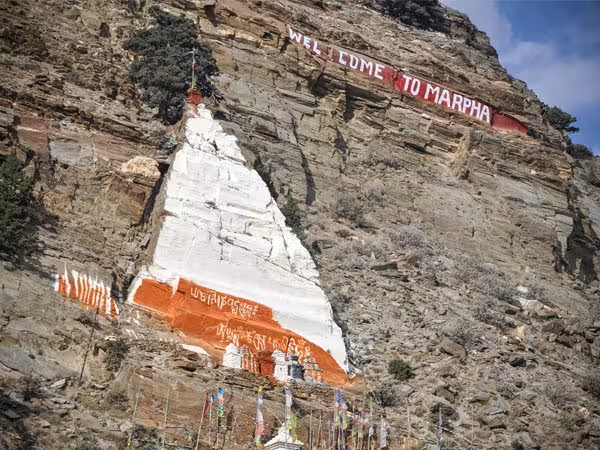
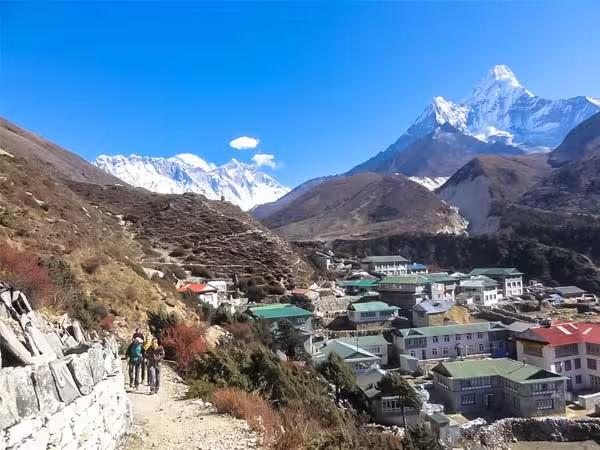
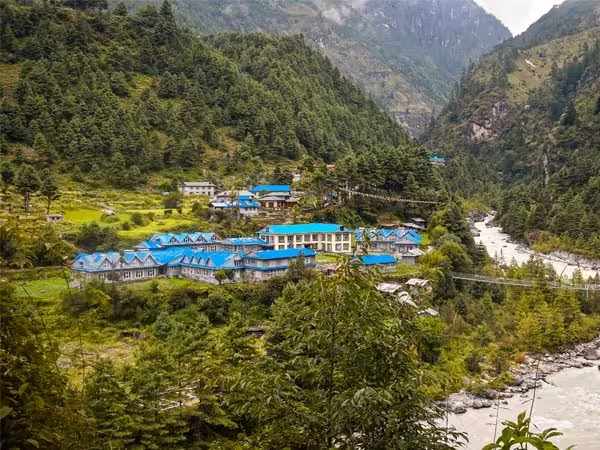
Bhimtang Village, also spelled Bimthang, is a remote mountain settlement on the Manaslu Circuit Trek in Nepal. Located in Gorkha District, it is known for its open alpine landscape, surrounding Himalayan peaks, and position beyond Larkya La Pass.
For most trekkers, Bhimtang is an overnight stop after crossing the pass from Dharamsala, also called Larkya Phedi. After the long climb to the pass and the descent on the other side, the village offers a place to rest before continuing toward the lower Marsyangdi Valley.
The landscape here differs from the narrow river valleys and forested trails encountered earlier on the Manaslu Circuit. Broad meadows, rocky slopes, glacial terrain, and mountain views give Bhimtang a distinct high Himalayan setting.
At Sublime Trails, our 13 years of trekking experience in Nepal inform how we plan routes, assess practical trekking needs, and prepare travelers for changing mountain conditions. Bhimtang is a good example of why a well-planned itinerary matters: reaching the village involves more than enjoying the scenery. Trekkers must prepare for altitude, cold weather, and a demanding pass crossing.
Bhimtang lies in the Manaslu region of north-central Nepal, within Gorkha District. It sits beyond Larkya La Pass on the usual route from the Budhi Gandaki Valley toward the Marsyangdi Valley.
Most trekkers reach the village after traveling from Kathmandu to the trekking region and walking through settlements such as Samagaun and Samdo. They then spend a night at Dharamsala before crossing the pass and descending toward Bhimtang.
The main route follows this general sequence:
Travel from Kathmandu to the Manaslu trekking region.
Walk through the Budhi Gandaki Valley and its mountain settlements.
Continue through Samagaun and Samdo, allowing time for acclimatization.
Trek to Dharamsala or Larkya Phedi.
Cross Larkya La Pass and descend to Bhimtang.
The exact itinerary depends on your walking pace, acclimatization needs, weather, and trail conditions. Snow or ice can also affect the crossing, so arrival times should remain flexible.
Bhimtang is not generally a road-accessible sightseeing destination. Most visitors experience it as part of a multi-day trek.
What Is the Altitude of Bhimtang Village?
Bhimtang is approximately 3,590 meters (11,778 feet) above sea level.
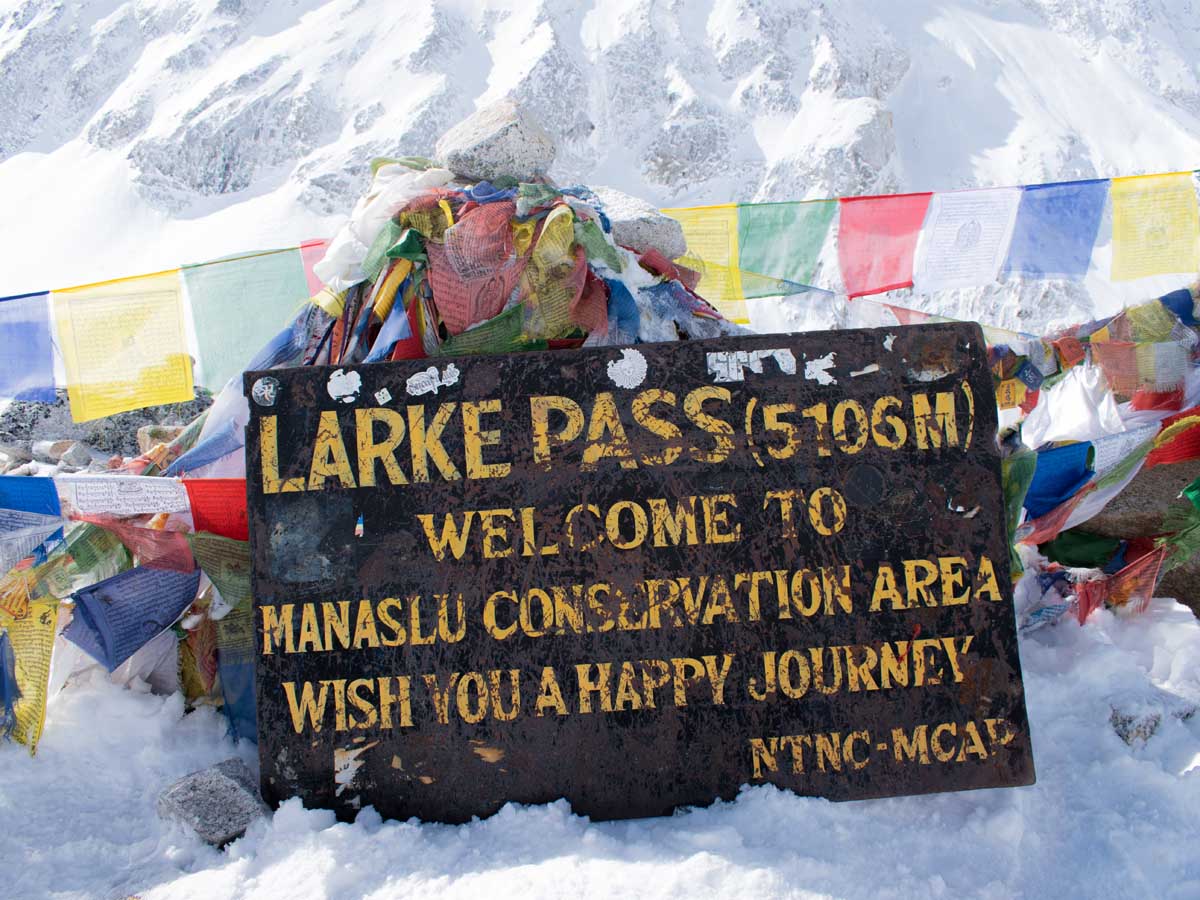
Larkya La Pass, by comparison, reaches approximately 5,106 meters (16,752 feet). Although Bhimtang is considerably lower, it remains a high-altitude settlement where cold temperatures and reduced oxygen levels can affect your comfort.
How does the altitude affect trekkers?
Many trekkers arrive in Bhimtang after a long day of walking over Larkya La Pass. The descent reduces the altitude, but the physical effort can leave you exhausted.
Watch for possible symptoms of altitude sickness, including headaches, nausea, dizziness, unusual fatigue, and loss of appetite. Inform your guide if you experience these symptoms. Confusion, difficulty walking straight, or breathlessness at rest requires urgent medical attention and immediate action.
Bhimtang is a place to recover after the crossing, not a substitute for acclimatization earlier in the trek. Most standard itineraries include acclimatization around Samagaun before continuing toward the higher settlements.
Bhimtang is known for its broad mountain valley and views of the surrounding Himalayan landscape. On clear days, trekkers can enjoy snow-covered peaks, rocky ridges, alpine meadows, and glacial terrain.
Mountain views around Bhimtang
The wider area offers views of Himalayan peaks, including Manaslu and mountains in the surrounding ranges. Visibility depends on the weather, cloud cover, and your position along the trail.
Manaslu stands at 8,163 meters (26,781 feet), making it the eighth-highest mountain in the world. The Nepal Tourism Board's Mount Manaslu overview provides additional geographical information about the mountain.
We recommend treating mountain visibility as a possibility rather than a guarantee. Even during the main trekking seasons, clouds and snowfall can obscure the views.
Ponkar Lake
Ponkar Lake is a natural attraction in the wider Bhimtang area. Trekkers with enough time and energy may consider exploring it as a side trip.
However, do not add the excursion automatically after crossing Larkya La. The main crossing is physically demanding, and the additional walk may involve uneven or rocky terrain. Ask your guide about the route, weather, and time required before making plans.
Is Bhimtang worth an overnight stay?
Yes. Staying overnight allows you to experience the valley without rushing through it on the pass-crossing day. You can rest, enjoy the surroundings, take photographs, and prepare for the next stage of the trek.
For most visitors, the main benefit is the combination of mountain scenery and recovery time after a demanding day.
When Is the Best Time to Visit Bhimtang Village?
Spring and autumn are generally the preferred seasons for trekking in the Manaslu region.
However, conditions around Bhimtang and Larkya La can differ from those in the lower valleys. Snowfall, freezing temperatures, and poor visibility may affect the route even when the weather elsewhere seems pleasant.
Autumn: September to November
Autumn is a popular time for the Manaslu Circuit. October often brings favorable trekking conditions and good mountain visibility after the monsoon. As the season progresses, nights become colder, so suitable insulated clothing is essential.
Spring: March to May
Spring brings longer days and generally warmer conditions than midwinter. Lower sections of the trail may have blooming rhododendrons, while Bhimtang remains an alpine environment. Snow can still affect Larkya La, particularly earlier in the season.
Winter: December to February
Winter brings severe cold and a greater risk of snow affecting the pass. Some lodges may close, and crossing conditions can become difficult. Trekking during this period requires careful planning and current local advice.
Monsoon: June to August
Rain can increase the risk of landslides and trail disruption on lower sections of the Manaslu Circuit. Wet conditions and poor visibility may also complicate travel arrangements and the high pass crossing.
Based on our experience operating treks in Nepal, we recommend making decisions around actual trail conditions rather than relying on seasonal averages alone. Check the latest weather, snow conditions, and accommodation availability before departure. Your guide may need to delay the crossing if conditions are unsafe.
For general climate information, check out the weather forecasting sites. Use it as background information, then confirm conditions for your planned trekking dates.
Accommodation and Food in Bhimtang Village
Bhimtang has teahouses and small trekking lodges where visitors can stay overnight. Facilities are generally basic, and availability varies by property and season.
What is accommodation like?
Most lodges provide simple rooms with beds, mattresses, pillows, and blankets. Bathrooms may be shared, while some properties offer attached facilities. Hot showers, electricity, charging points, and Wi-Fi may be available, but you should not rely on them.
Bedrooms may not be heated, so bring a suitable sleeping bag for your travel dates. During busy spring and autumn periods, ask your trekking team to arrange accommodation ahead of time.
What food is available?
Teahouses generally serve familiar trekking meals, although menus may be more limited than those in larger settlements.
Common options include:
Dal bhat: Rice, lentil soup, and vegetables.
Noodles and soup: Practical meals after a long walking day.
Fried rice and pasta: Alternatives to traditional Nepali meals.
Eggs, pancakes, and porridge: Common breakfast choices.
Tea, coffee, and other hot drinks: Useful during cold mornings and evenings.
Food supplies must reach this remote area, so availability and prices can vary. Tell your guide about dietary requirements before the trek and carry suitable snacks for the trail.
Should you carry cash?
Yes. Carry enough Nepalese rupees for personal expenses and unexpected needs. Do not assume you will find an ATM or be able to pay by card. Confirm current prices and payment arrangements with your guide or lodge.
Activities to Do in Bhimtang Village
Bhimtang does not require a packed sightseeing schedule. After crossing Larkya La, resting and enjoying the mountain surroundings are often the most practical choices.
Enjoy the mountain scenery
If the weather is clear, spend some time viewing the surrounding peaks, meadows, and rocky ridges. Early morning and late afternoon may offer changing light for photography, although temperatures can drop quickly.
Stay near safe, established paths and dress warmly if you go outside your lodge.
Explore nearby trails
If you feel well and have enough time, ask your guide about a short walk around the valley or a possible visit to Ponkar Lake. Check the distance, elevation changes, and trail conditions before setting out.
If you are exhausted after crossing the pass, rest instead. An optional excursion should never take priority over recovery or safety.
Respect the local environment
Bhimtang is part of a remote mountain environment where waste management and supplies are more limited than in towns. Carry your rubbish until you can dispose of it properly, stay on established trails, and ask permission before photographing local people.
Trekking from Larkya La Pass to Bhimtang
The journey from Dharamsala across Larkya La Pass to Bhimtang is one of the most demanding days on the Manaslu Circuit. The pass reaches approximately 5,106 meters, and the full walking day commonly takes around 8 to 11 hours, depending on the route, weather, walking pace, and breaks.
The trail climbs through exposed high-altitude terrain before reaching the pass. From there, the route descends across rocky slopes and glacial landscapes toward Bhimtang.
Snow and ice can make sections more difficult. The descent can also place considerable strain on your knees after hours of walking. Trekking poles and sturdy boots with good grip can help with balance on uneven ground.
Prepare for the crossing by following your guide's recommended start time and carrying warm layers, waterproof clothing, gloves, a headlamp, water, and high-energy snacks. Allow enough time for breaks rather than rushing to reach the lodge.
The guide should assess the conditions before and during the crossing. If weather or trail conditions make the pass unsafe, follow the recommendation to delay or change the plan.
Cold conditions and limited facilities make a little preparation worthwhile. Keep the following items accessible during the trek.
Essential item Why it matters
Warm sleeping bag Lodge blankets may not provide enough warmth.
Insulated jacket and thermal layers Help you stay warm during cold mornings and evenings.
Waterproof jacket and trousers Protect you from rain, snow, and wind.
Headlamp and spare batteries Useful for early starts and possible power interruptions.
Power bank Charging facilities may be limited.
Personal medication and first-aid supplies Medical services are distant.
Water bottle and purification method Help you access safe drinking water.
Cash in Nepalese rupees Useful for food, drinks, and personal expenses.
Ask your trekking company about the sleeping bag rating needed for your dates and check which equipment is included in your package.
Mobile coverage and internet access may be unreliable. Download offline maps, save important contact details, and keep essential documents accessible without an internet connection.
Practical Tips for Visiting Bhimtang
Keep these points in mind when planning your visit:
Prepare for Larkya La: Allow time for acclimatization before the crossing and follow a suitable itinerary.
Check the weather: Confirm current snow and trail conditions with your guide.
Arrange accommodation: Lodges have limited capacity, particularly during busy trekking seasons.
Carry cash: Do not depend on electronic payments or banking services.
Pack for cold weather: Conditions at Bhimtang can be much colder than in Kathmandu or the lower valleys.
Allow flexibility: Weather delays may require changes to your schedule.
Choose a steady pace: Avoid rushing the ascent or descent to match other trekkers.
Respect the environment: Minimize waste and follow local guidance.
After leaving Bhimtang, the route continues downhill toward the lower settlements and the Marsyangdi Valley. Your itinerary determines the walking stages and onward transport arrangements, so confirm these details before starting the trek.
Bhimtang Village and the Tsum Valley Trek
Bhimtang and Tsum Valley are both part of the wider Manaslu region, but they offer different experiences.
Bhimtang is a high-altitude stop on the Manaslu Circuit, known for its alpine landscape and position beyond Larkya La Pass. Tsum Valley is known for its traditional villages, Buddhist heritage, monasteries, and Tibetan-influenced culture.
The Tsum Valley route branches from the main Manaslu trail near Lokpa and continues toward settlements such as Chumling, Chhokang Paro, and Nile. Mu Gompa is among the important religious sites in the valley.
Can you combine Bhimtang and Tsum Valley?
Yes. You can combine Tsum Valley with the Manaslu Circuit if you have enough time. The additional days allow you to explore the valley before rejoining the main route toward Samagaun, Samdo, Dharamsala, Larkya La Pass, and Bhimtang.
However, a combined trek requires extra time, suitable permits, and careful acclimatization planning. It is not simply a short side trip from Bhimtang.
Explore our Manaslu Circuit Trek and Manaslu trekking options to compare available routes.
Is Bhimtang Village Worth Visiting?
Bhimtang is worth visiting if you want to experience the high mountain landscapes of the Manaslu Circuit. Its open valley, surrounding peaks, and remote setting make it a memorable stop after crossing Larkya La Pass.
It is best suited to trekkers who are prepared for long walking days, basic accommodation, cold conditions, and changes to their plans. You do not need mountaineering experience for the standard Manaslu Circuit, but the pass crossing requires suitable fitness, acclimatization, and favorable conditions.
Frequently Asked Questions About Bhimtang Village
Where is Bhimtang Village located?
Bhimtang is in Gorkha District in north-central Nepal, within the Manaslu region. It lies beyond Larkya La Pass on the usual Manaslu Circuit route toward the Marsyangdi Valley.
What is the altitude of Bhimtang Village?
Bhimtang is approximately 3,590 meters (11,778 feet) above sea level.
How do you reach Bhimtang Village?
Most trekkers reach Bhimtang by trekking through Samagaun, Samdo, and Dharamsala before crossing Larkya La Pass. The crossing is demanding and should be planned around weather, acclimatization, and your guide's advice.
What is the best month to visit Bhimtang?
October is a popular choice for the Manaslu Circuit. March through May and September through November are also generally favorable periods, although conditions at the pass can change quickly.
Are there teahouses and food in Bhimtang?
Yes. Basic trekking lodges and teahouses offer rooms, meals, and drinks. Facilities vary, and hot showers, electricity, and internet access are not guaranteed.
Can you visit Ponkar Lake from Bhimtang?
Ponkar Lake is a possible side trip in the wider Bhimtang area. Ask your guide about the route and current conditions, and allow extra time. It may be better to rest after crossing Larkya La.
Can you combine the Manaslu Circuit with Tsum Valley?
Yes. Tsum Valley can be added to a Manaslu Circuit itinerary, but it requires additional days, permits, and appropriate route and acclimatization planning.
Final Thoughts
Bhimtang Village combines an open alpine landscape with a practical place to rest after crossing Larkya La Pass. It is an important stage of the Manaslu Circuit, not usually a standalone destination.
Plan for cold weather, allow enough time for acclimatization, and check the latest conditions before crossing the pass. If you want to explore both the cultural and high-altitude sides of the region, consider adding Tsum Valley to your itinerary.
With 13 years of trekking experience in Nepal, Sublime Trails helps travelers plan Himalayan journeys around route logistics, preparation, accommodation, and local conditions.
Visit our Manaslu Circuit Trek page to learn more about the route and discuss your trekking plans with our team.