Before our trekkers leave Kathmandu for the Manaslu Circuit Trek, there are a few things we wish we could tell everyone over one last cup of tea. Not because the route is a secret, we know the trail, the villages, the walking days and the major challenges but because a successful trek depends on more than simply following an itinerary.
The Manaslu Circuit changes every day. The landscape shifts from green river valleys to high Himalayan terrain, temperatures can change quickly, and the physical demands increase as you gain altitude. Just as importantly, every trekker responds differently. Someone who walks quickly at lower elevations may need a slower rhythm later, while someone with less trekking experience may adapt surprisingly well.
After guiding people with different ages, fitness levels and trekking backgrounds, we have learned that the best trekkers are not necessarily the fastest. They are the ones who listen, communicate and give themselves enough time to experience the journey.
Here are the things our guides genuinely wish every Manaslu trekker understood before starting.
The Manaslu Circuit Is More Than a Trekking Route
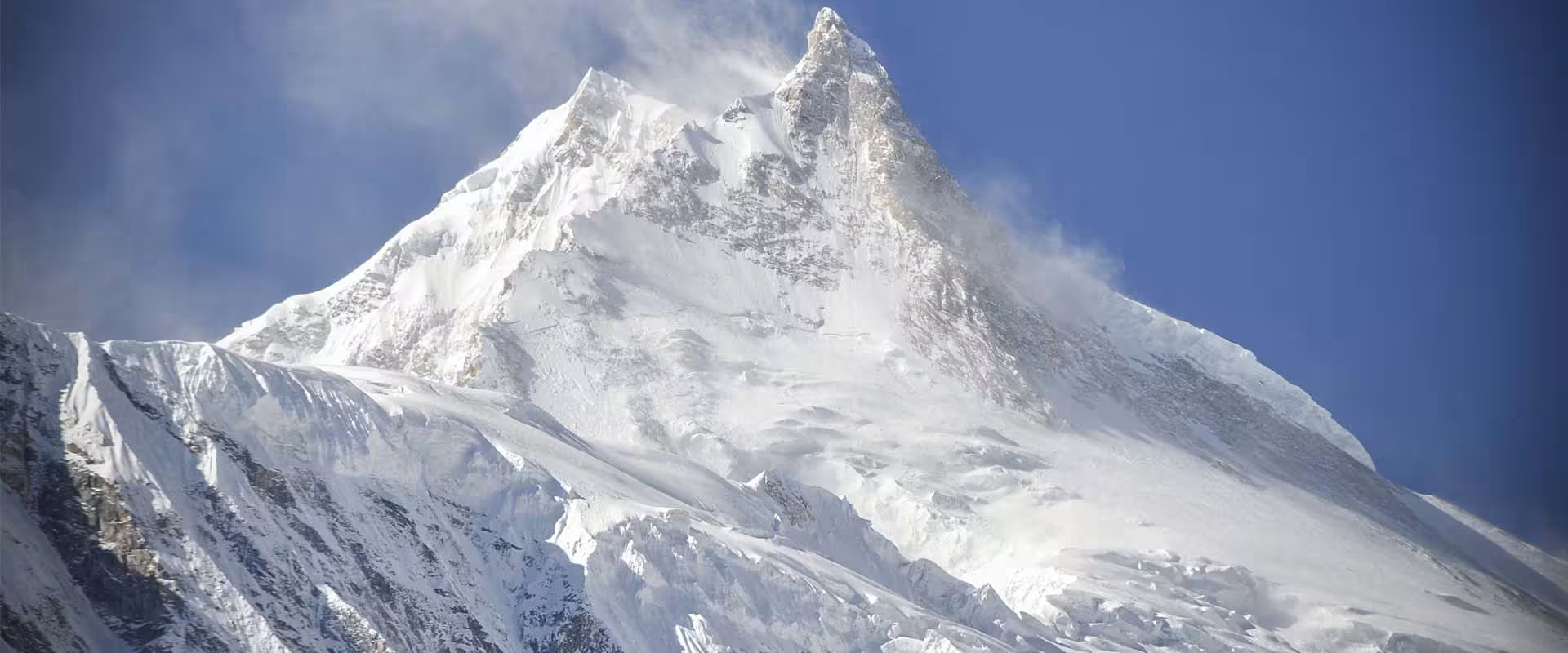
It is easy to think of the Manaslu Circuit as a line connecting one village to another: Machha Khola, Namrung, Samagaon, Dharamsala, Larkya La and eventually Dharapani. But that is only the framework of the journey.
The trail passes through dramatically different landscapes and communities as you gain elevation. Lower sections can feel lush and energetic, while the higher valleys become increasingly rugged and alpine. The cultural experience changes too, particularly as you reach villages influenced by Tibetan Buddhist traditions.
Every Day Feels Different on Manaslu
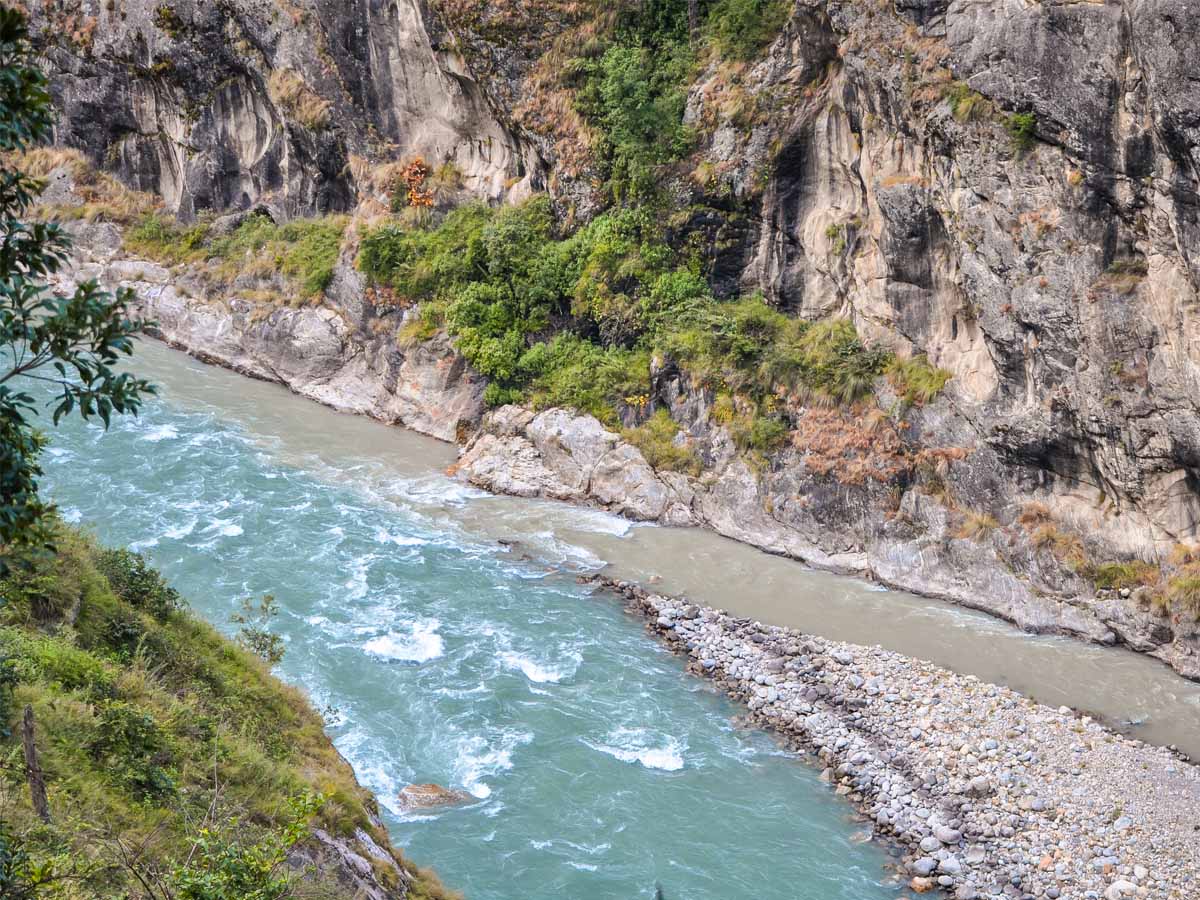
Some of the moments you remember most may not be the ones listed in your itinerary. It could be a suspension bridge over the Budhi Gandaki River, prayer flags moving in the wind, a village appearing around a bend or a cup of hot tea after a long climb.
Budhi Gandaki River seen from Manaslu Trail
That is why we encourage trekkers to look beyond the next destination.
The Manaslu Circuit is not simply a route to Larkya La. The trail itself is part of the experience.
Start Slowly and Save Energy for Larkya La
One of the easiest mistakes to make on the Manaslu Circuit Trek is walking too quickly during the first few days. The lower sections can feel relatively easy, especially when you have just arrived in Nepal and are excited to start walking. You may feel strong, see other trekkers moving quickly and think you should do the same.
The harder sections, however, are still ahead.
Use the opening stages to establish a comfortable rhythm and conserve energy rather than trying to reach every destination as quickly as possible. Think of your energy like a trekking budget. You do not want to spend everything during the first few days and discover that you need more later.
Your Pace Is Not a Competition
Every trekker moves differently. Fitness, altitude response, sleep, hydration, pack weight and previous trekking experience can all influence your pace. Do not try to match someone else's speed simply because they are walking faster.
We would rather see you walking steadily and comfortably than pushing yourself to stay beside another trekker. There is no prize for reaching the lodge first.
As you approach Larkya La Pass, conserving that energy becomes even more important. The crossing is one of the most demanding parts of the circuit, so arriving prepared matters more than arriving early.
Walk at a pace that allows you to experience the trek, not merely survive it.
Tell Your Guide How You Really Feel
This may be the most important advice we can give.
A headache, unusual tiredness, loss of appetite, poor sleep, dizziness or simply feeling different from normal is worth mentioning to your guide. You do not need to wait until a problem becomes serious before saying something.
Altitude affects people differently, and how you feel can change from one day to the next. We can only make sensible decisions when you communicate honestly.
There is also no reason to keep questions to yourself. If you are unsure about tomorrow's route, weather, accommodation, altitude or walking distance, ask rather than quietly worrying about it.
You are not expected to prove how tough you are or hide a problem because you are worried about slowing the group.
We watch the trail; you tell us how you feel.
That simple exchange is one of the foundations of responsible trekking.
Treat the Itinerary as a Framework
A trekking itinerary gives you a plan. The mountain provides the reality.
Weather, trail conditions, walking pace, acclimatization and the condition of the group can all affect how a day unfolds. Sometimes the original plan works perfectly. Sometimes it needs to be adjusted.
Rather than thinking only about reaching the day's destination because it appears on a printed schedule, we ask a more practical question:
What is the right decision for the group today?
It might mean taking a longer rest, walking more slowly or adjusting the day's plan. Flexibility is not a failure of the itinerary. It is part of responsible Himalayan trekking.
Prepare Properly for Larkya La Pass
Larkya La is one of the defining moments of the Manaslu Circuit Trek. The pass reaches approximately 5,160 metres, and crossing it involves an early start, several hours of walking at high altitude and terrain that can become more demanding depending on conditions.
That deserves respect.
Respect the Pass Without Fearing It
You also do not need to spend the entire trek worrying about Larkya La. A well-planned route takes you progressively higher and allows time for acclimatization before the crossing.
The evening before the pass, your guide will explain the next day's plan, including the departure time, what to carry, what to wear and what conditions to expect.
Listen carefully and prepare before you go to sleep.
The best preparation happens throughout the trek: maintain a sensible pace, rest properly, eat and drink regularly, communicate how you feel and follow your guide's advice.
Respect the pass. Prepare for it. But do not spend the whole trek fearing it.
Expect Himalayan Weather to Change
The Himalayas do not follow our schedules.
A beautiful morning can become cold, windy or snowy surprisingly quickly, particularly at higher elevations. Conditions around Larkya La and other exposed sections can be very different from what you experienced earlier in the day.
For that reason, flexibility matters. A particular destination or arrival time may need to change if conditions require it. Your guide will monitor the situation and communicate any changes that affect the group.
For trekkers, the practical lesson is simple:
Be prepared for the mountain to change the plan.
Do Not Underestimate the Descent
Many trekkers focus so heavily on reaching Larkya La that they think the difficult part ends once they reach the top.
It does not.
After crossing the pass, there is still a long descent. Your legs may already be tired, and steep or uneven terrain can put considerable strain on your knees and muscles.
This is why we encourage trekkers to conserve energy before the pass and remain controlled afterward. Trekking poles can also be useful if you are comfortable using them.
The summit of the pass is not the end of the day.
Take your time, watch your footing and remember that reaching the other side safely matters more than how quickly you get there.
Eat, Drink and Listen to Your Body
Food becomes part of your daily rhythm on the Manaslu Circuit. Along the route, you can commonly find simple trekking meals such as dal bhat, rice, noodles, potatoes, soups, eggs and pasta.
At higher elevations, your appetite may change. A meal that sounds appealing in Kathmandu may not seem quite as attractive after several hours of walking.
Our advice is straightforward: eat what you can, drink regularly and tell your guide if your appetite changes significantly.
You do not need complicated food to fuel a trek. Simple meals, adequate fluids and regular eating can go a long way during long days on the trail.
Pack for Changing Temperatures
Manaslu can give you several different conditions in one day. You may start walking in cold morning air, warm up considerably while climbing and need several layers again once the sun disappears.
We recommend thinking about your trekking clothing as a layering system, rather than relying on one very heavy jacket.
Why Layering Works Better
Layers give you flexibility. You can remove one when you warm up and add another when the temperature drops.
The same principle applies to your daypack. Keep things you may need during the day like water, snacks, an extra layer, gloves, sunglasses and other essentials within easy reach.
You do not want to unpack your entire bag halfway up a mountain just because the wind has picked up.
Do not expect your phone to work consistently throughout the Manaslu region.
There may be villages where you have a usable signal and other areas where connectivity becomes weak or unavailable. Wi-Fi and charging facilities can also vary between lodges.
Before leaving Kathmandu, tell family and friends that you may sometimes be offline. That small conversation can prevent unnecessary concern when you do not respond immediately.
When the signal disappears, take the opportunity to look up.
Some of the best parts of Manaslu happen when your phone has nothing to say.
Experience the Culture Along the Trail
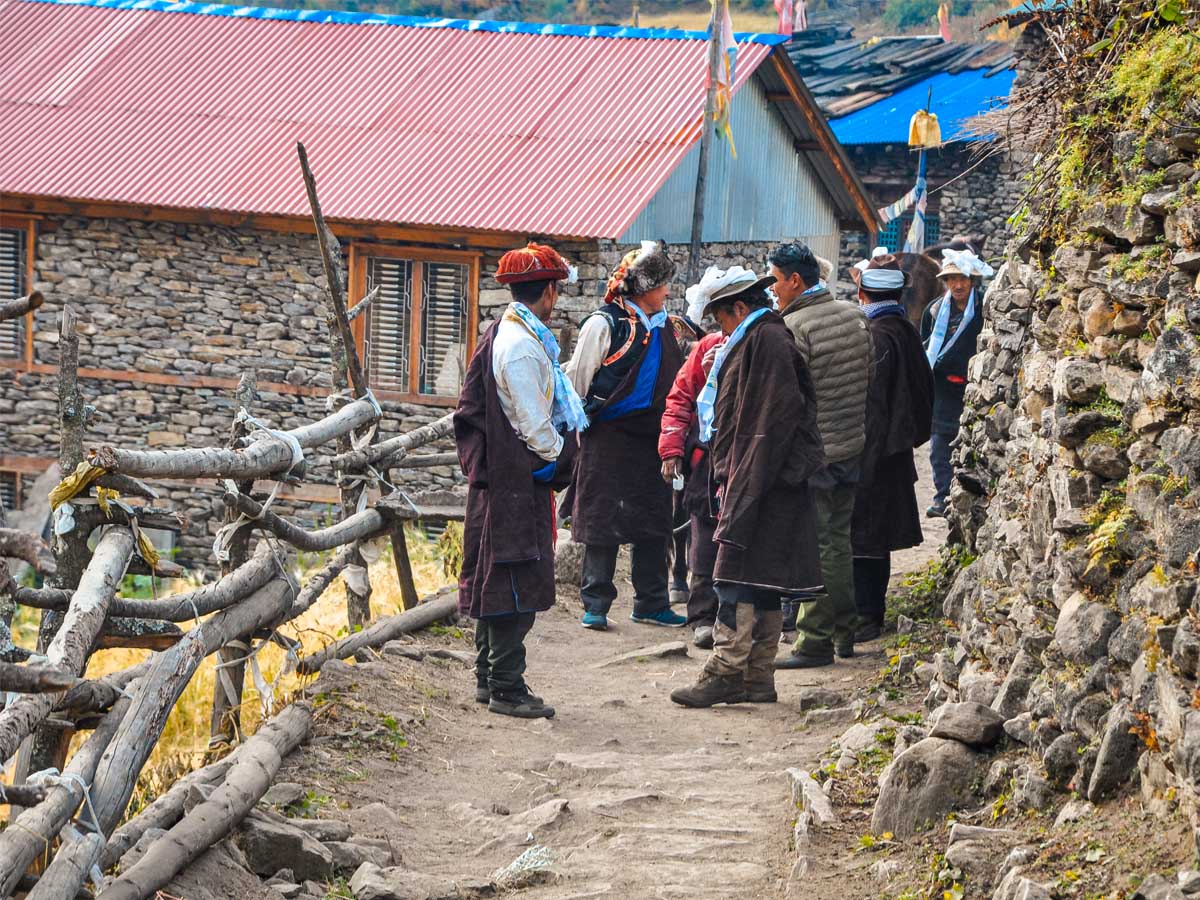
Manaslu is not simply a mountain landscape. You are travelling through communities where people live, work and maintain traditions that existed long before international trekking became part of the region's economy.
As you move into the higher valleys, Tibetan Buddhist influence becomes particularly visible in villages, monasteries, prayer flags and religious traditions.
Travel Through Villages With Respect
Take time to notice where you are.
Say hello. Learn a few local words. Ask before photographing people. Follow local customs around monasteries and religious spaces. If you are unsure about something, ask your guide.
Most importantly, remember that you are travelling through someone's home, not simply visiting a trekking attraction.
A respectful trekker does more than admire the landscape. They pay attention to the people and culture that make the landscape meaningful. If you want to know more about Nepal Travel Etiquette then check our bolg for detailed information.
Tell Your Guide What Kind of Experience You Want
Not every trekker comes to Manaslu looking for the same thing.
Some want to photograph every mountain view. Others are fascinated by villages and Buddhist culture. Some prefer a steady walking rhythm, while others want more time to stop and observe the landscape.
Tell us what matters to you before the trek begins.
If photography is important, let your guide know. If you want to understand the culture of a particular village, ask questions. If you prefer to walk steadily rather than hurry, communicate that too.
The route may be the same for everyone, but the way you experience it can be personal. That is one reason we believe a well-organized trek should feel personal rather than mass-produced.
Look Beyond the Famous Viewpoints
Do not spend the entire trek waiting for the next big mountain view.
Some of the best photographs and memories appear unexpectedly: a suspension bridge in the morning, a good talk with other trekkers in a warm tea house, prayer flags moving against the sky, a village around a bend, sunlight touching a mountain face or a cup of tea after a demanding climb.
You might remember the first glimpse of Manaslu. You might also remember something as simple as sitting outside a teahouse while the evening light changes.
Not every memorable moment has a name on the itinerary.
Keep your camera ready, but do not experience the entire journey through a screen. Sometimes the best thing you can photograph is the moment you decided to put the camera away.
Conclusion
The Manaslu Circuit rewards trekkers who arrive prepared but remain flexible. Walk steadily, communicate openly, respect the altitude and weather, and give yourself time to experience the communities and landscapes along the trail.
Larkya La may be the trek's defining challenge, but it is only one part of the journey.
What our guides want most is simple: do not rush through Manaslu simply to complete an itinerary. Pay attention to how you feel, respect where you are, and allow the journey to unfold one day at a time.
Your experience of it, however, depends on how you choose to walk through it today.
Ready to experience the Manaslu Circuit with local guidance and thoughtful pacing? Explore our Manaslu Circuit Trek or contact Sublime Trails to discuss your route, preparation, and trekking dates with our team.