Manaslu Circuit Trek Permits and Costs
For a standard foreign-national Manaslu Circuit Trek, you should plan for the following:
| Permit / Document |
Current published fee for foreign nationals |
What it covers |
| Manaslu Restricted Area Permit (RAP) |
USD 100 for first 7 days, Sep–Nov |
Entry into the restricted Manaslu area |
| Manaslu Restricted Area Permit (RAP) |
USD 75 for first 7 days, Dec–Aug |
Entry into the restricted Manaslu area |
| Additional RAP days |
USD 15/day, Sep–Nov |
Days beyond the first 7 |
| Additional RAP days |
USD 10/day, Dec–Aug |
Days beyond the first 7 |
| Manaslu Conservation Area Permit (MCAP) |
NPR 3,000 |
Entry into Manaslu Conservation Area |
| Annapurna Conservation Area Permit (ACAP) |
NPR 3,000 |
Annapurna-side section of the classic circuit |
The Department of Immigration's current dedicated trekking-fee page lists the Manaslu RAP at USD 100 for the first week plus USD 15 per additional day from September to November, and USD 75 for the first week plus USD 10 per additional day from December to August.
The Nepal Tourism Board currently lists both MCAP and ACAP at NPR 3,000 for foreign nationals.
What is the minimum fixed cost?
For a foreign trekker, the fixed components are:
- MCAP: NPR 3,000
- ACAP: NPR 3,000
- Rural Municapility Permit 1000
That is NPR 7,000 in fixed fees, before adding the Manaslu Restricted Area Permit.
The RAP is the variable component because it depends on the season and number of days covered.
Manaslu Restricted Area Permit (RAP)
The Manaslu Restricted Area Permit, often called the RAP, is the principal permit required for entering the restricted section of the Manaslu region.
The Department of Immigration states that trekking permits for restricted areas are issued through registered trekking agencies rather than directly to individual trekkers.
The current Manaslu RAP fee is:
September to November
- USD 100 for the first 7 days
- USD 15 for each additional day
December to August
- USD 75 for the first 7 days
- USD 10 for each additional day
The fee is calculated according to the number of days covered by the restricted-area permit, so your itinerary matters when determining the final cost.
Manaslu Conservation Area Permit (MCAP)
The Manaslu Conservation Area Permit (MCAP) is separate from the restricted-area permit.
The Manaslu Circuit passes through the Manaslu Conservation Area, so foreign trekkers need the conservation-area entry permit in addition to the RAP.
The current Nepal Tourism Board fee for foreign nationals is:
NPR 3,000 per person
The current published SAARC rate is NPR 1,000 and the Nepali rate is NPR 100.
MCAP covers entry into the Manaslu Conservation Area, which encompasses the principal Manaslu trekking region.
Annapurna Conservation Area Permit (ACAP)
One of the most frequently overlooked requirements on the classic Manaslu Circuit is the Annapurna Conservation Area Permit.
Why?
Because the Manaslu Circuit does not end at Larkya La.
After crossing Larkya La Pass, the classic route descends through Bhimtang and Tilije before continuing toward Dharapani, where the trail enters the Annapurna Conservation Area.
For this standard route, you therefore need ACAP in addition to MCAP.
The current Nepal Tourism Board fee for foreign nationals is:
NPR 3,000 per person.
If your itinerary continues to Dharapani on the classic circuit, make sure your agency includes ACAP in your permit arrangements.
How Much Does the Manaslu Circuit Trek Permit Cost?
There is no single total price for every Manaslu trek because the RAP depends on your trekking season and the number of days covered.
For a foreign trekker, the cost consists of:
Manaslu RAP + MCAP + ACAP + Local Permit
The fixed component is:
NPR 7,000
Then add the applicable RAP fee.
Example: 7 restricted-area days
September–November
- RAP: USD 100
- MCAP: NPR 3,000
- ACAP: NPR 3,000
- Local Permit: 1000
December–August
- RAP: USD 75
- MCAP: NPR 3,000
- ACAP: NPR 3,000
- Local Permit: 1000
If your restricted-area stay exceeds seven days, the additional RAP days are charged separately.
Can You Trek Manaslu Solo?
Yes, but solo does not mean unguided.
In March 2026, Nepal changed the restricted-area permit rules and removed the previous minimum-two-trekker requirement. This means an individual foreign trekker can now obtain a Manaslu restricted-area permit without finding another trekker to join the permit application.
The important distinction is:
Solo trekker: One traveler undertaking a private trek.
Independent trekker: A traveler entering the route without the required agency and licensed guide.
The 2026 change allows the first situation. It does not remove the regulated agency and guide requirements.
The Department of Immigration states that restricted-area trekking permits are issued through official trekking agencies rather than directly to individual trekkers.
So if you are traveling alone, you can now arrange a private one-person Manaslu trek with the required licensed guide, without having to find a second trekker solely to satisfy the former minimum-group rule.
Is a Guide Mandatory for the Manaslu Circuit?
Yes.
The current Nepal Tourism Board guidance lists the Manaslu Circuit among trekking routes where trekkers must be accompanied by a licensed trekking guide.
Therefore, a "solo Manaslu trek" should not be interpreted as a completely independent, guideless trek.
The 2026 change removed the previous requirement to have at least two trekkers on the restricted-area permit. It did not remove the guide requirement.
How Do You Get a Manaslu Circuit Trek Permit?
For foreign trekkers, the practical way to obtain the required permits is through a registered trekking agency.
The process generally follows these steps.
Step 1: Choose a Registered Trekking Agency
The Manaslu Restricted Area Permit is handled through the registered trekking-agency system.
Step 2: Finalize Your Itinerary
Your agency needs your trekking dates and route to determine the appropriate RAP period and number of restricted-area days.
This is particularly important because additional restricted-area days increase the RAP cost.
Step 3: Submit Your Documents
Your agency may require:
- Passport copy
- Valid Nepal visa
- Trekking itinerary
- Trekker details
- Passport photographs or application information where requested
- Travel insurance documentation
The Department of Immigration's permit information also lists agency and administrative documents as part of the application process.
Step 4: Agency Processes the Permit
The agency submits the necessary information and processes the restricted-area permit and other required trekking documentation.
Step 5: Check the Documents Before Departure
Before leaving Kathmandu, check that your:
- Name
- Passport number
- Trekking dates
- Route
- Restricted-area days
- match your passport and itinerary.
A few minutes checking the paperwork in Kathmandu is much easier than discovering a discrepancy after reaching the trail.
What Documents Are Required for Manaslu Permits?
The exact administrative paperwork is handled by your trekking agency, but travelers should generally prepare:
- Valid passport
- Valid Nepal visa
- Passport photographs or digital photo information, where requested
- Trekking itinerary
- Trekker information
- Travel insurance documentation
The Department of Immigration's published requirements also include documents from the trekking agency, such as its trekking license, agency guarantee, agreement, tax documentation and other administrative records.
Your agency should tell you exactly what it needs before submitting the application.
Is Travel Insurance Required for a Manaslu Permit?
Insurance documentation forms part of the restricted-area trekking application requirements published by the Department of Immigration.
Your insurance should also be appropriate for your actual trek.
Because the Manaslu Circuit reaches high altitude and includes the Larkya La crossing, check your policy carefully for:
- High-altitude trekking coverage
- Emergency evacuation coverage
- Helicopter evacuation, if required by your policy
- Medical treatment
- Trip interruption or cancellation coverage
Do not assume that a standard travel-insurance policy automatically covers high-altitude trekking.
Check our guide to travel insurance before trekking to Nepal
Can You Change Your Manaslu Route After Getting the Permit?
Do not assume that your permit gives you unrestricted permission to change your route.
The Department of Immigration states that trekkers should not travel to locations or routes other than those specified in the permit.
If you want to add a restricted-area section such as:
- Tsum Valley
- An additional restricted-area side trip
- Extra restricted-area days
- Another restricted region
tell your trekking agency before the permit is prepared.
Your agency can then determine whether additional permits or amendments are required.
Do You Need a Separate Permit for Tsum Valley?
Yes, if you add the restricted Tsum Valley section, you should plan for a separate Tsum Valley Restricted Area Permit.
The Department of Immigration lists Gorkha Tsum Valley separately from the Manaslu restricted area and publishes separate seasonal fees for it.
The current published Tsum Valley fee is:
- September–November: USD 40 for the first 7 days + USD 7 per additional day
- December–August: USD 30 for the first 7 days + USD 7 per additional day
If you are planning a Manaslu Circuit with Tsum Valley, tell your trekking agency at the beginning so the complete itinerary and required permits can be prepared together.
Where Are Manaslu Permits Checked?
You should keep your passport and trekking permits with you throughout the trek.
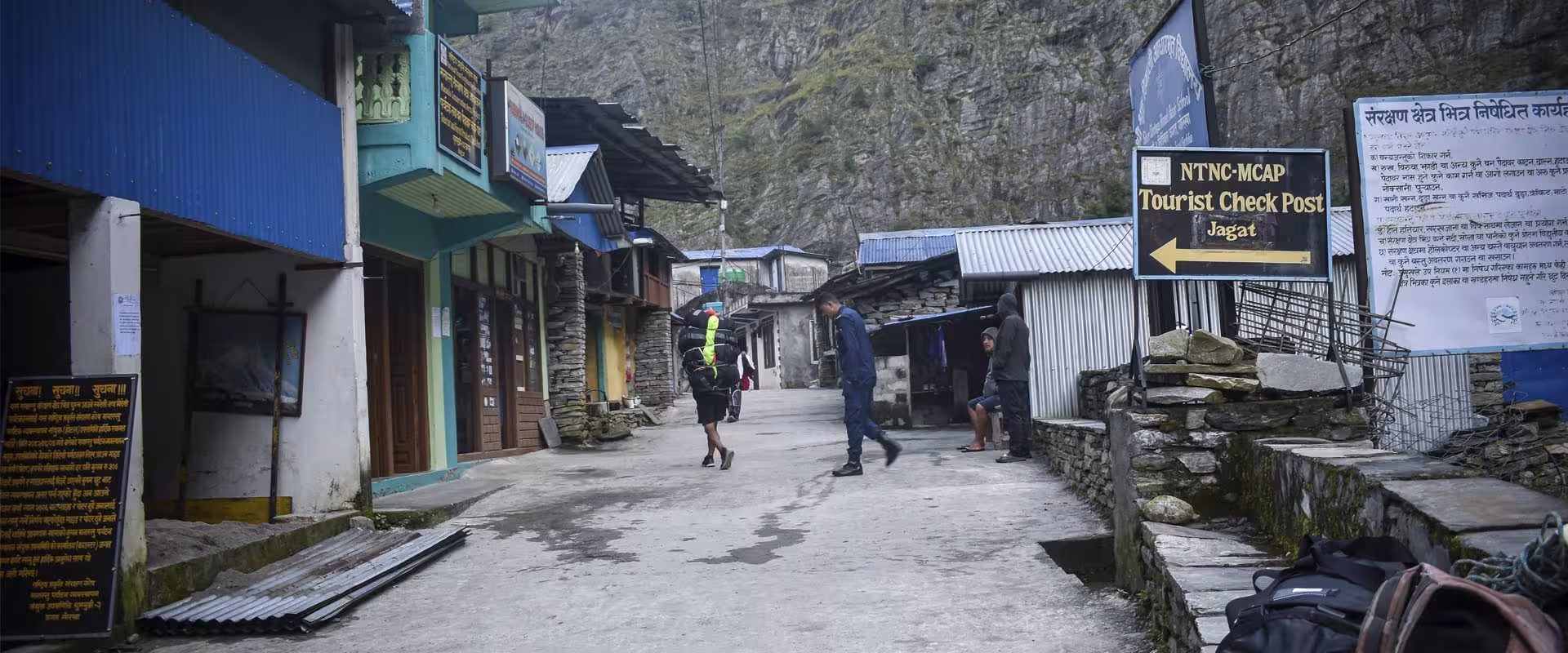
Jagat is an important permit-control point on the Manaslu route, and documentation can also be checked at other points along the regulated trail.
Keep your documents protected but accessible rather than buried deep inside your luggage.
How Long Is the Manaslu Restricted Area Permit Valid?
The Manaslu RAP is issued according to the applicable season and the number of restricted-area days in your trekking program.
It is therefore not a general year-long entry permit.
For example, under the current published fee structure:
- Seven restricted-area days in September–November cost USD 100.
- Each additional day during that season costs USD 15.
- Seven restricted-area days from December–August cost USD 75.
- Each additional day during that period costs USD 10.
Your agency should calculate the permit period according to your submitted itinerary.
Common Manaslu Circuit Trek Permit Mistakes
1. Relying on an Old Permit-Fee Article
Manaslu regulations and government fee tables can change.
Always check the current Department of Immigration and Nepal Tourism Board information before budgeting for your trek.
2. Assuming Solo Means No Guide
The 2026 rule change removed the former minimum-two-trekker requirement. It did not create a guideless trekking system.
3. Forgetting ACAP
If your classic Manaslu Circuit continues through Bhimtang, Tilije and Dharapani, ACAP should be included in your permit planning.
4. Assuming RAP Is the Only Permit
The restricted-area permit is only one part of the documentation.
For the standard foreign-national circuit, also plan for:
5. Adding Tsum Valley at the Last Minute
Tsum Valley has its own restricted-area permit requirements. Include it in your original itinerary whenever possible.
6. Ignoring the Number of Restricted-Area Days
Additional RAP days cost extra, so your itinerary affects your final permit bill.
7. Keeping Your Permit Inaccessible
Permit checks can occur during the trek. Keep your passport and important trekking documents safe and easy to reach.
Manaslu Circuit Trek Permit Checklist
Before leaving Kathmandu, make sure your trekking arrangements include:
- Manaslu Restricted Area Permit
- Manaslu Conservation Area Permit
- Annapurna Conservation Area Permit for the classic route ending towards Dharapani
- Licensed trekking guide
- Registered trekking agency
- Valid passport
- Valid Nepal visa
- Required insurance documentation
- Confirmed trekking itinerary
- Tsum Valley permit, if applicable
- Accessible copies of your important documents
Final Thoughts
Getting your Manaslu Circuit Trek permit organized is an essential part of preparing for the trek, but the system becomes straightforward once you understand what each document does.
For the standard foreign-national circuit, the main requirements are:
Manaslu Restricted Area Permit + MCAP + ACAP + Local Pemrit
You also need to arrange the trek through a registered agency with a licensed guide.
The most important 2026 change is the removal of the former minimum-two-trekker requirement for restricted-area permits. A traveler can now arrange a private Manaslu trek without finding a second trekker simply to satisfy the old permit rule. However, this does not make Manaslu a completely independent or guideless trekking route.
Permit fees are also worth checking carefully because government pages can become outdated or display different schedules. The Department of Immigration's dedicated trekking-fee page lists the current Manaslu RAP at USD 100/75 for the first seven days depending on season, with additional daily charges thereafter.
Before departure, verify the latest government requirements with your registered trekking agency and make sure your passport, visa, insurance, itinerary and trekking permits all match.
If you prefer to have the paperwork handled before entering the trail, Sublime Trails arranges trekking permits and logistics as part of its Manaslu trekking services.