What Is the Best Month for an Everest Base Camp Helicopter Tour?
October is one of the best months for an Everest Base Camp helicopter tour.
The monsoon has usually ended by October. The air is often clear, and the mountains can be seen from a long distance. The temperature is also more comfortable than in winter.
November is another good month. The skies can remain clear, but the mornings are colder.
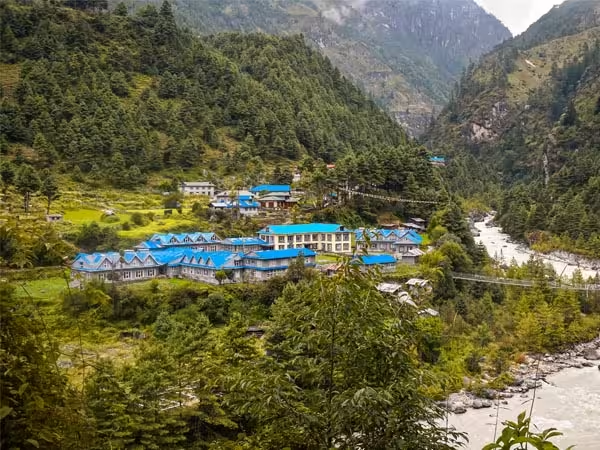
If you prefer spring, April is a good month to consider. The weather is generally pleasant, and the hills around the Everest region are green and colorful.
Here is a quick look at the main months:
- October: Clear skies and excellent mountain views
- November: Clear views and colder weather
- April: Good weather with spring scenery
- May: Good morning views, but more haze and cloud can appear later
- December to February: Cold but often clear
- June to September: More rain, cloud, and changing weather
October and November: Best for Clear Mountain Views
October and November are popular months for the Everest Base Camp helicopter tour.
By October, the monsoon has usually cleared much of the dust and haze from the atmosphere. This can make the mountains look sharp and clear from the helicopter.
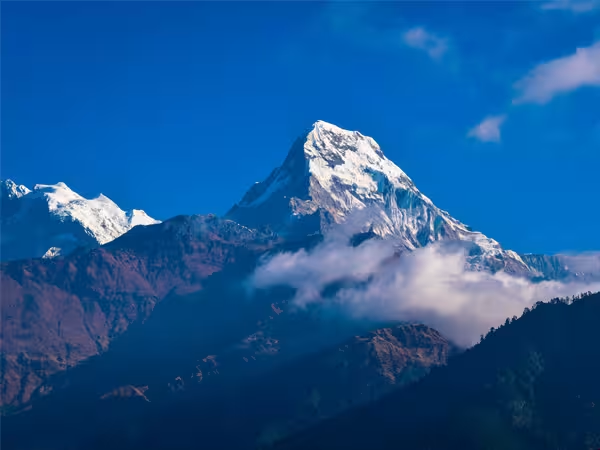
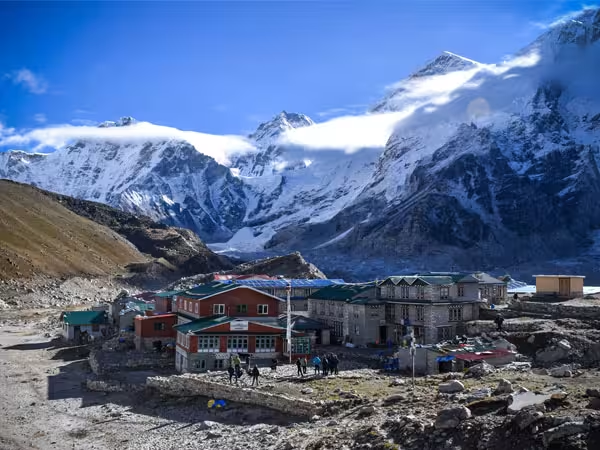
You can get views of Mount Everest, Lhotse, Nuptse, Ama Dablam, the Khumbu Glacier, and other Himalayan peaks when the weather is clear.
October is usually warmer than November. November can be colder, especially in the early morning, but the visibility can still be excellent.
These are also busy months in the Everest region. If your travel dates are fixed, it is better to book your helicopter tour in advance.
Best for: Travelers who want clear mountain views and good conditions for photography.
March to May: Good Time for a Spring Helicopter Tour
Spring is another good season for an Everest helicopter tour.
From March, the weather starts getting warmer. The hills become greener, and rhododendrons begin to bloom in different parts of the Everest region.
March and April usually have good conditions for mountain flights. In May, temperatures are warmer, but haze and clouds can become more common later in the morning.
An early morning flight is a good choice during spring because the mountains are often easier to see before clouds develop.
Best for: Travelers who enjoy spring scenery and prefer warmer weather.
December to February: Winter Helicopter Tours
Winter can also be a good time for an Everest Base Camp helicopter tour.
Cold and dry weather can bring very clear mountain views on suitable days. However, the temperature at Kala Patthar (5,545 m / 18,192 ft) can be extremely cold.
If your tour includes a landing at Kala Patthar, wear warm clothing. A down jacket, gloves, warm hat, and good shoes are important.
Snow or strong winds can sometimes affect helicopter flights in winter. Your flight operator will check the weather before departure and decide whether conditions are suitable.
Best for: Travelers who are comfortable with very cold temperatures and want the chance of clear winter views.
June to September: Monsoon Season
The monsoon is the least predictable time for an Everest Base Camp helicopter tour.
Rain and clouds can cover the mountains. Wind and poor visibility can also affect the flight. Even when a helicopter can fly, clouds may block views of Everest and the other peaks.
If you can choose your travel dates, we suggest choosing a different season for better chances of clear mountain views.
If you must travel during the monsoon, keep some flexibility in your schedule. A flight may need to be delayed or moved to another day if the weather is not suitable.
Best for: Travelers who have limited travel dates and can keep their schedule flexible.
Spring vs Autumn: Which Is Better?
Both spring and autumn can be good for an Everest Base Camp helicopter tour. The main difference is the weather and scenery.
| Seasons |
Months |
Mountain Views |
Weather |
Main Views |
| Spring |
March to May |
Good to very good |
Warmer |
Green hills and rhododendrons |
| Autumn |
September to November |
Very good, especially October and November |
Stable and cooler |
Clear post-monsoon skies |
| Winter |
December to February |
Very good on clear days |
Very cold |
Clear winter air |
| Monsoon |
June to September |
Variable |
Rainy and cloudy |
Higher chance of delays |
If clear mountain views are your main priority, October and November are good months to consider.
If you prefer spring scenery and warmer temperatures, March to May is a good alternative.
Month-by-Month Guide to the Everest Helicopter Tour
| Month |
Weather and Visibility |
Temperature |
Crowds |
| January |
Cold and dry; clear days are possible |
Very cold |
Low |
| February |
Cold with generally clear days |
Very cold |
Low |
| March |
Spring begins; conditions improve |
Cold |
Increasing |
| April |
Good visibility and spring weather |
Cold to mild |
High |
| May |
Good early-morning views; haze can increase |
Mild to cold |
High |
| June |
More clouds and rain |
Mild to cold |
Lower |
| July |
Frequent rain and cloud |
Mild to cold |
Very low |
| August |
Frequent rain and cloud |
Mild to cold |
Very low |
| September |
Weather starts improving |
Mild to cold |
Increasing |
| October |
Clear skies and good visibility |
Cool to cold |
Very high |
| November |
Clear and dry, but colder |
Cold |
High |
| December |
Dry, cold, and often clear |
Very cold |
Low |
These are general seasonal conditions, not a daily weather forecast. Mountain weather can change quickly, so the actual conditions on your flight day are always important.
What Time of Day Is Best for the Everest Helicopter Tour?
Early morning is generally the best time for an Everest Base Camp helicopter tour.
Most Everest helicopter tours leave Kathmandu early in the morning. Mountain visibility is often better at this time, before clouds have a chance to build later in the day.
An early flight also gives you more time to complete the tour before weather conditions change.
However, an early flight does not guarantee clear views. The weather can change at any time in the mountains. Your pilot and operator will check the conditions before the flight.
What Happens If the Weather Is Bad?
Weather is an important part of every Everest helicopter tour.
Rain, clouds, strong winds, or poor visibility can affect the flight. If the conditions are not suitable, the flight may be delayed, rescheduled, or cancelled.
This is why we recommend keeping some extra time in your Kathmandu itinerary if possible. It gives you more flexibility if your original flight cannot operate because of weather.
The season gives you an idea of what to expect, but the actual weather on your flight day matters most.
How Far in Advance Should You Book?
October, November, April, and May are busy travel months. Helicopter tours can also be in high demand during these periods.
If your travel dates are fixed, booking in advance is a good idea.
During quieter months, you may have more flexibility. However, you should still allow some extra time in your itinerary because weather can affect helicopter flights at any time of year.
You can check which dates are actually open right now on our live booking calendar for the trip for the current tour details, available dates, itinerary, and booking information.
What Should You Wear for the Everest Helicopter Tour?
The weather in Kathmandu can be very different from the conditions at Kala Patthar.
If your helicopter tour includes a landing at Kala Patthar, you should dress warmly.
Bring:
- Warm down or insulated jacket
- Fleece or warm layer
- Gloves
- Warm hat
- Sunglasses
- Sunscreen
- Comfortable shoes
You only spend a short time at Kala Patthar, but the high altitude and cold temperature can be uncomfortable without proper clothing.
What Can You See on the Everest Base Camp Helicopter Tour?
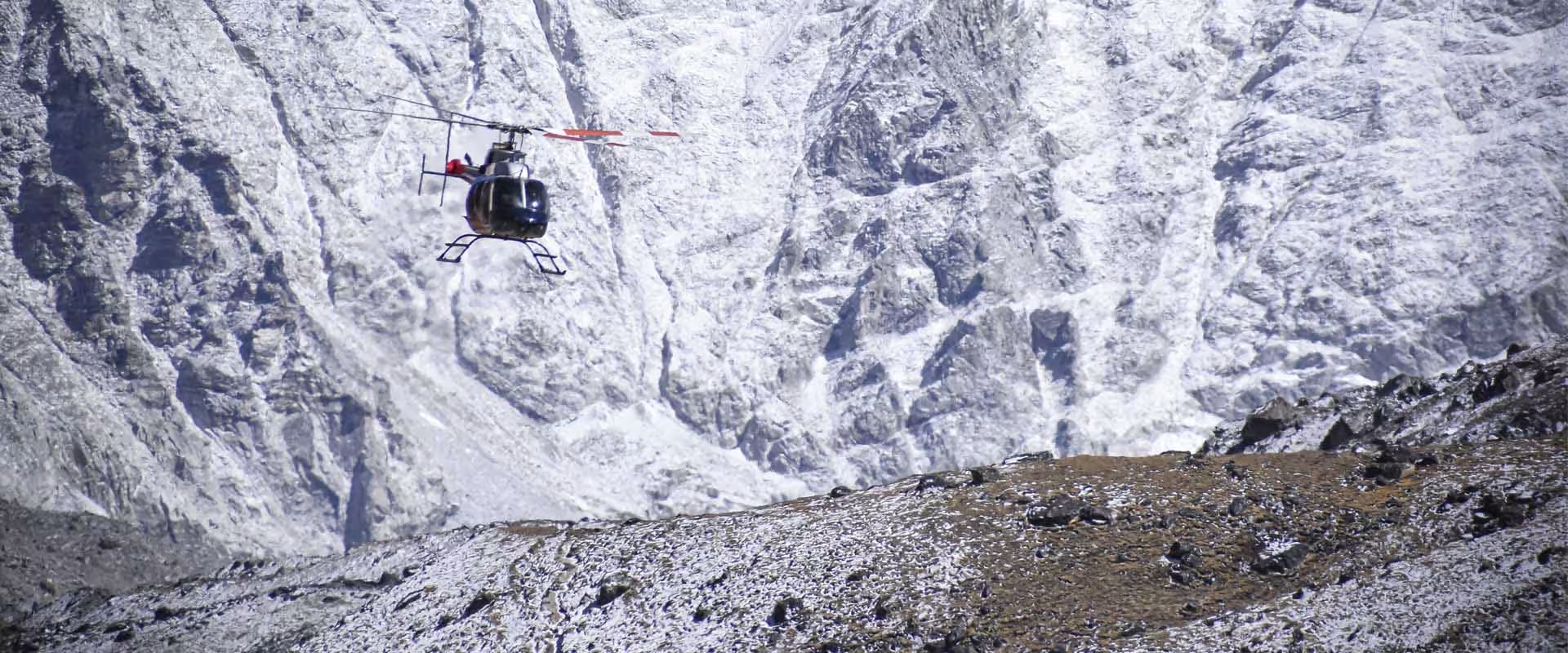
On a clear day, the helicopter tour gives you views of some of the highest mountains in the world.
Depending on the weather and your route, you may see:
- Mount Everest
- Lhotse
- Nuptse
- Ama Dablam
- Khumbu Glacier
- Khumbu Icefall
- Kala Patthar
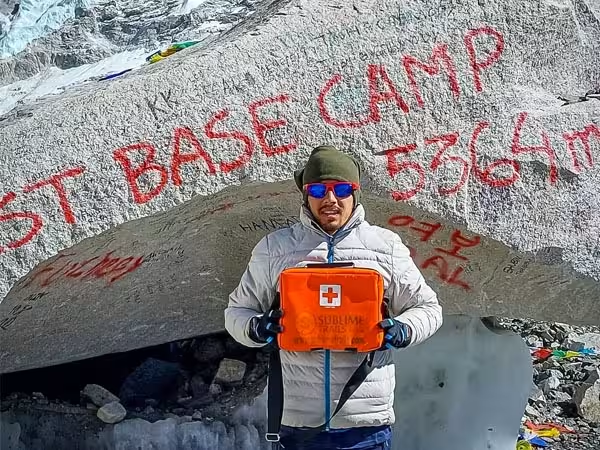
- Everest Base Camp
- Other peaks of the Khumbu region
The views can change during the flight. Clouds may cover one mountain while another remains completely visible.
Note: Weather information in this guide describes general seasonal conditions in the Everest region. Actual helicopter departures depend on the weather, visibility, wind, and operating conditions on the day of the flight.