If you are planning the Everest Base Camp trek, one of the first questions I would ask is whether you actually need a guide and porter.
I get why people ask this. The Everest Base Camp trail is established, there are teahouses along the route, and you will meet plenty of other trekkers along the way. From the outside, it can look like you are simply following the trail from Lukla to Base Camp and paying someone to carry a bag.
After arranging and supporting treks in the Everest region, I see it differently. A good guide does much more than show you which direction to walk, while a porter does much more than remove a few kilograms from your back. Together, they take care of many of the small decisions that become surprisingly important once you are tired, cold, or walking at high altitude.
For most first time trekkers, I recommend travelling with both a guide and porter. You still experience the trail yourself, but you have someone managing the practical side of the journey and someone carrying the bulk of your luggage.
Do You Need a Guide for Everest Base Camp?
For an Everest Base Camp trek, I strongly recommend travelling with a licensed local guide. The reason is not simply that you might get lost. The main route is well established, and in many sections it is easy to see where other trekkers are going.
The real value of a guide becomes obvious when the day does not go exactly as planned. A guide helps me manage walking pace, accommodation, local communication, route decisions and changes caused by weather or the condition of the group. When someone starts struggling at altitude, the guide also becomes an important part of deciding whether we should slow down, rest, continue or descend.
The route gradually takes you from Lukla through places such as Namche Bazaar, Tengboche, Dingboche or Pheriche, Lobuche and Gorak Shep before reaching Everest Base Camp. You can see the main route and major stops in the our guide to route map of everest base camp, but a route map cannot tell you how your body will respond to the altitude on a particular day.
That is where experience matters.
What Does an Everest Base Camp Guide Actually Do?
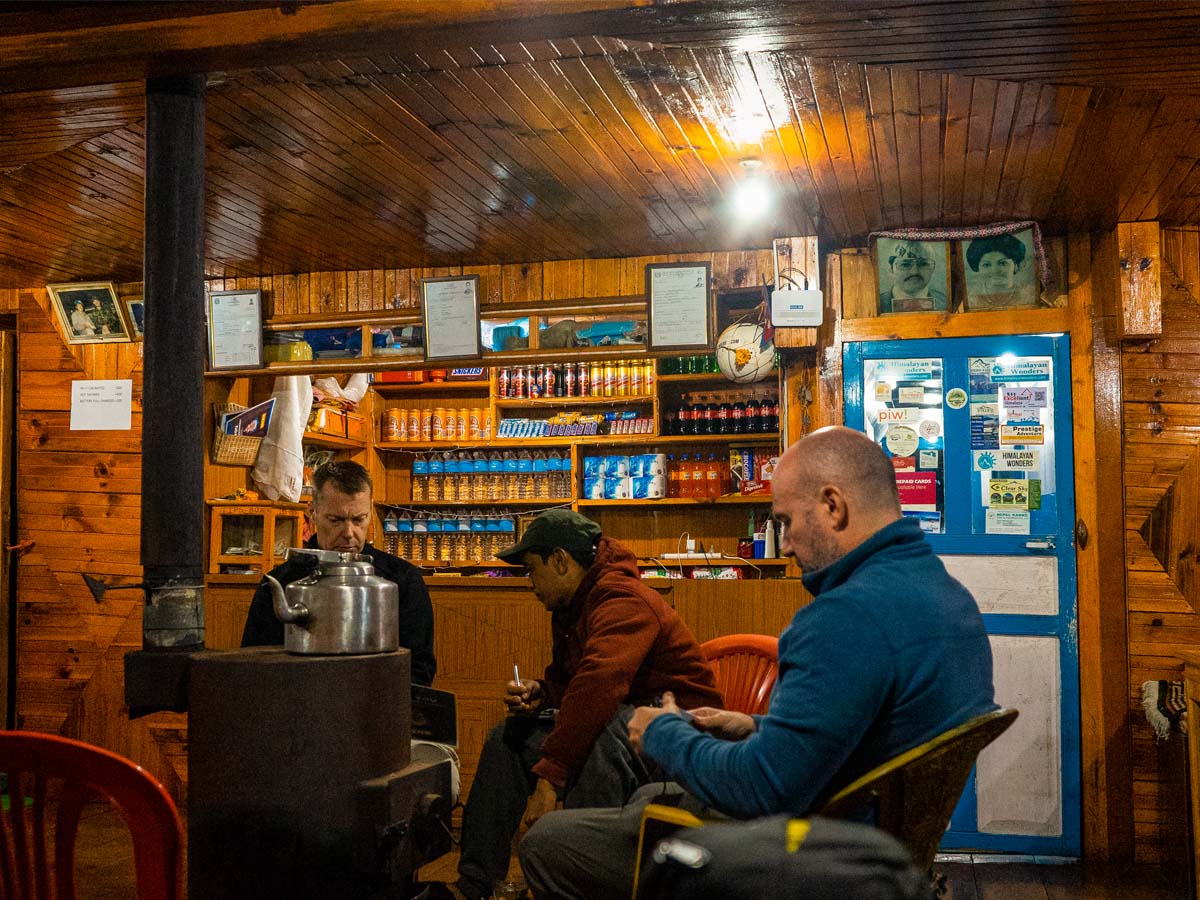
Guide Prakash noting down a client’s food choices inside a teahouse during the Everest Base Camp trek.
When I explain the role of a guide to trekkers, I tell them not to think of the guide as a walking GPS.
Navigation is only one part of the job.
A guide starts making decisions before we even leave the lodge. We look at the day's route, the weather, the group's condition and the expected walking time. During the day, I want the guide to notice when someone is pushing too hard, when a longer break makes sense and when the group needs to adjust its pace.
There is also a large amount of work that trekkers rarely see. The guide communicates with teahouses, helps organise rooms, confirms meals, deals with local staff and keeps the itinerary moving. If something changes, the guide is usually the person making calls and finding a practical solution while the trekkers continue focusing on the journey.
That behind-the-scenes work is one of the biggest reasons I believe a good guide is worth paying for.
A Guide Is More Than a Navigator
I would not tell someone that they need a guide because the Everest trail is impossible to follow.
That would be misleading.
The main route is established, and you will often be surrounded by other trekkers. In normal conditions, navigation is not the hardest part of the journey. What is harder is knowing what to do when the straightforward plan stops being straightforward.
For example, a route may look short on a map but include a sustained climb that takes considerably longer than expected at altitude. A trekker may feel strong in Namche and then find the same pace uncomfortable around Dingboche. A weather change may also make an early start more sensible than following the original timetable.
I want my guide to recognise those situations without making the trek unnecessarily complicated.
Local knowledge also matters in the villages. A guide who regularly works in the Khumbu knows how the teahouse system operates, communicates naturally with local people and understands the rhythm of the route. I can research all of that before coming to Nepal, but it is different when someone with years of experience is actually walking beside me.
How I Manage Pacing on the EBC Trek
One of the biggest mistakes I see trekkers make is treating the early days as if they are ordinary hiking days.
They feel good after arriving in Lukla.
The weather is pleasant.
The trail is surrounded by forests and villages.
Then the competitive side comes out, and they start walking much faster than they need to.
I prefer to control that from the beginning. I would rather have trekkers arrive at the lodge with energy left than reach the destination quickly and spend the evening completely exhausted. The goal is not to prove how fast we can reach Namche or Dingboche. The goal is to arrive at Everest Base Camp in good enough condition to actually enjoy being there.
That is also why I take acclimatization seriously. The body needs time to adjust as the elevation increases, and no level of sea-level fitness can completely remove that need.
Why Local Knowledge Matters on the Everest Trail
I can spend weeks researching Everest Base Camp before arriving in Nepal.
I can download maps, read trekking blogs, study altitude charts and watch videos of the route. All of that preparation helps, but there is a difference between knowing the route on paper and understanding how it works on the ground.
The Khumbu changes as I move higher.
The scenery changes.
The weather changes.
The pace changes.
Even the way a short uphill section feels can change dramatically.
A local guide understands those changes because they have experienced them repeatedly. They know which parts of the day tend to take longer, where trekkers normally need a break and how to structure the walking day without turning it into a race.
I also value the cultural side of having a local guide. The villages, monasteries, prayer wheels, mani walls and Sherpa communities are not simply things I pass on the way to Base Camp. A knowledgeable guide can give context to what I am seeing instead of letting the cultural experience become background scenery.
What Does a Porter Do on the Everest Base Camp Trek?
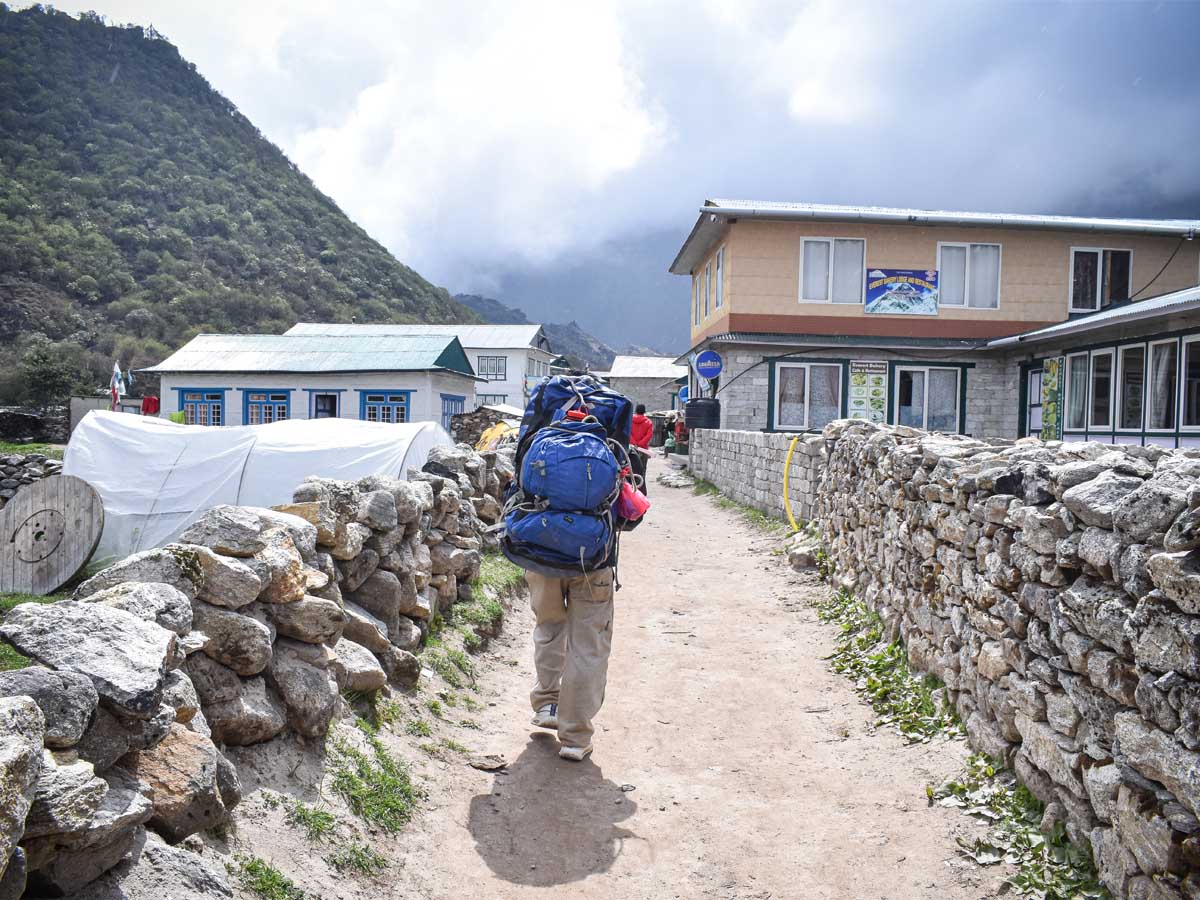
Porter Carrying Duffel Bag in EBC Trek
A porter carries my main trekking luggage, while I carry a smaller daypack with the things I need during the walking day.
This sounds simple, but I notice the difference almost immediately.
My main bag may contain spare clothes, extra layers, toiletries, sleeping equipment and other items that I do not need while walking. Carrying all of that from Lukla to Base Camp would add unnecessary strain, especially as the altitude increases.
Instead, I keep the essentials with me.
My daypack would normally contain water, snacks, a waterproof layer, an insulating layer, sunscreen, sunglasses, personal medication, a phone and camera. Everything else can travel in the main duffel.
That arrangement lets me concentrate on my footing, breathing and surroundings rather than constantly thinking about the weight on my shoulders.
What Should I Keep in My Daypack?
I recommend thinking about the daypack as an in reach bag, not a smaller version of your entire luggage.
If I need something while walking, it belongs in the daypack. If I only need it at the lodge, it can stay in the main bag.
I would keep water and snacks accessible because I do not want to wait until the next tea stop before drinking or eating. I would also carry a warm layer and waterproof jacket because mountain weather can change quickly. Sunglasses, sunscreen, personal medication, phone, camera and a few basic personal items should also remain with me.
What I would not do is fill the daypack with every possible item "just in case".
A heavy daypack defeats much of the reason for hiring a porter in the first place. Know more about the packing list for everest base camp if you dont have idea what to pack.
How Much Luggage Can a Porter Carry?
This is something I would always confirm before booking.
There is no reason to assume that a porter will carry unlimited luggage simply because porter service is included. Different trekking companies use different arrangements, and many standard EBC packages have one porter supporting two trekkers where 25 kg of load is carried by them.
Before I book, I would ask about the maximum luggage weight, whether a duffel bag is provided and how the porter arrangement works. If I am carrying photography equipment, specialised trekking gear or anything unusually heavy, I would mention it before the trek rather than expecting the porter to accommodate it at the last minute.
This is better for everyone, including the porter.
Can You Trek Everest Base Camp Without a Porter?
Yes, you can carry your own luggage.
I would consider doing that only if I knew that I could comfortably manage the weight for several hours a day while gaining altitude. Experienced trekkers who pack extremely light may prefer this because they enjoy being completely self sufficient.
For most first time trekkers, however, I think porter support is worth the money.
The reason is not that you cannot physically carry your bag. The question is whether carrying it adds anything valuable to the experience. I would rather spend my energy climbing the trail, taking photographs, talking to people and enjoying the landscape than use that energy carrying clothes and equipment that I do not need until I reach the next lodge.
There is also a psychological difference.
When the trail becomes slower and steeper above Dingboche, knowing that my heavy luggage is already being handled can make the day feel much more manageable.
Do You Need Both a Guide and Porter?
If my budget allows it, I would choose both.
The two roles solve different problems.
My guide helps me manage the trek.
My porter helps me manage the weight.
I would not replace the guide with a porter because carrying my luggage does not help with pacing, route decisions, local communication or unexpected situations. At the same time, having a guide does not mean I suddenly want to carry every piece of equipment on my back.
Having both creates a much more balanced experience.
I still walk the trail.
I still carry my personal daypack.
I still experience every climb and descent.
I simply do not have to spend my energy on tasks that someone else can handle more efficiently.
Guide Only vs Guide and Porter
If I am travelling on a tighter budget, I would prioritise the guide.
The guide provides the more important layer of trekking support, particularly when it comes to daily decisions, local communication and managing unexpected situations. If I am an experienced trekker who knows how to pack light, I may be perfectly comfortable carrying my own main backpack.
If comfort is more important than saving every possible dollar, I would add a porter.
For a first time EBC trekker, that would normally be my choice. The combination gives me professional support without making the journey feel overly managed.
I still get the feeling that I am trekking to Everest Base Camp myself.
I just do not have to carry the entire household with me.
Is a Private Guide Worth It?
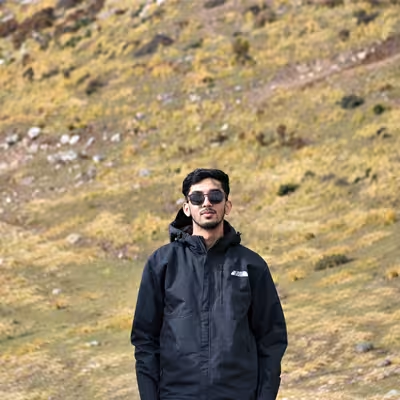
Guide Bibek at Everest Base Camp Trek with Guest
For me, private guiding is worth considering when flexibility matters.
A group trek works very well if I enjoy travelling with other people and am happy to follow a set schedule. It can also be a good way to keep the overall cost lower while still having professional support.
Private trekking becomes more attractive when I want the itinerary to revolve around my own group.
If I am travelling with my partner, family or a few friends, I may not want to match the walking speed of ten or fifteen strangers. One person may want to stop frequently for photographs while another may prefer to walk steadily. A private guide gives the group more room to find its own rhythm.
I also like private guiding for trekkers who have specific interests.
Photography.
Culture.
A slower pace.
A particular side trip.
Or simply more control over the day.
Who Should Choose a Private Everest Base Camp Trek?
I would particularly recommend looking at private options if you are travelling as a family.
Children and adults rarely have identical walking speeds, and a rigid group schedule can become frustrating for everyone. A private guide can help adjust the pace and rest periods around the people actually making the journey.
Couples can benefit for the same reason.
You might want to start early one morning, sleep a little longer on another day or spend more time at a particular viewpoint. Those preferences are easier to accommodate when the itinerary belongs to your group.
Experienced trekkers may also prefer private guiding, although for a different reason.
They may already know how to trek but want local expertise without joining a fixed departure.
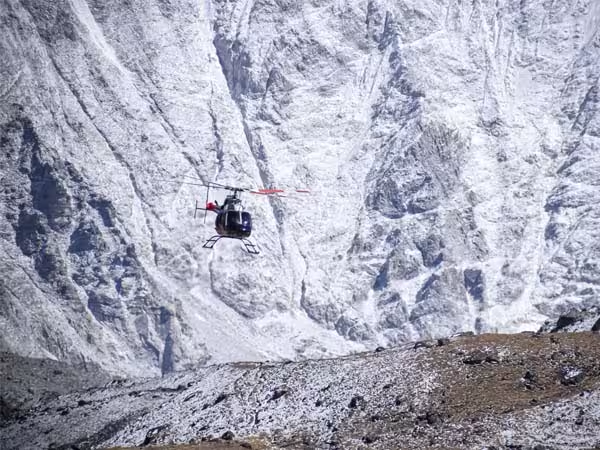
What About a Luxury or Helicopter Return Option?
Not everyone wants the same Everest experience.
Some people want the traditional multi day teahouse trek from Lukla to Base Camp and back. Others have limited time or prefer to reduce the amount of walking on the return journey.
I would consider this when time is the main constraint.
I would not choose it simply because I think the return walk is unnecessary. The walk back through the Khumbu is part of the experience, and some trekkers enjoy it as much as the approach to Base Camp.
The right option depends on what I actually want from the trip.
What Happens If the Trek Does Not Go to Plan?
This is where I think the quality of a trekking company really shows.
Nobody can guarantee perfect weather in the Himalayas. Nobody can guarantee that every flight will operate exactly when planned. Nobody can guarantee that every trekker will feel the same throughout the journey.
What I want is a team that knows what to do when those things happen.
If a flight to Lukla is delayed, someone needs to start looking at the available options. If a trekker feels unwell at altitude, the situation needs to be assessed rather than ignored. If someone is simply exhausted and cannot comfortably complete the planned distance, the day's schedule may need to change.
A good guide does not promise that nothing will go wrong.
A good guide knows how to respond when something does.
That distinction is important to me.
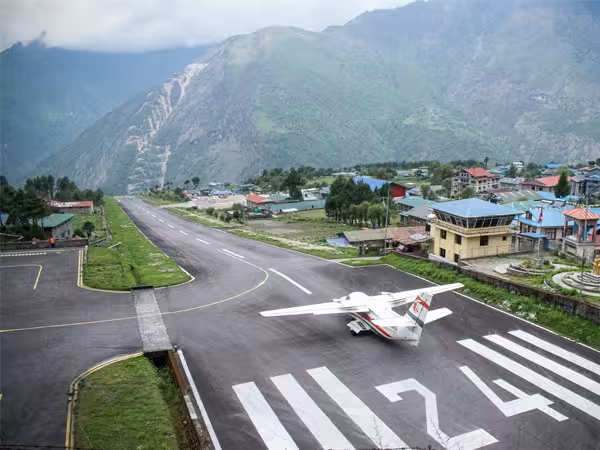
How I Plan for Lukla Flight Delays
I always tell trekkers not to build an international travel schedule with absolutely no flexibility.
Lukla flights are affected by mountain weather and operating conditions, so I would rather leave a reasonable buffer between the end of the trek and an important international departure. If I have a flight home the morning immediately after returning to Kathmandu, even a relatively small disruption can create unnecessary stress.
This is one of those planning decisions that costs me very little but can save a lot of trouble.
I also want to know before booking what the trekking company does when flights are disrupted. I would ask whether alternative arrangements are available, how rescheduling works and which costs I may need to cover myself.
I do not expect anyone to control the weather.
I do expect the operator to have a plan.
What Should Be Included in an Everest Base Camp Package?
I would never judge an EBC package by the headline price alone.
First, I want to know exactly who is travelling with me and who is responsible for the trek. Then I look at accommodation, meals, transportation, permits, guide support and porter arrangements.
I also check the exclusions.
Travel insurance, personal expenses, tips, drinks and some transportation costs may not be included, depending on the package. I want those details in writing before I pay rather than discovering them after arriving in Nepal.
The itinerary itself also matters.
I want to see where the acclimatization days are and how much walking is planned on each day. A shorter itinerary may look cheaper and more convenient, but if it removes the time needed to adjust to altitude, I would not consider that a better deal.
What Should I Ask Before Booking?
Before I book an Everest Base Camp trek, these are the questions I would ask:
Who will be my guide?
How experienced is the guide in the Everest region?
Is the trek private or group based?
How many trekkers will be in my group?
How many trekkers share one porter?
What is the luggage allowance?
Is a duffel bag provided?
How many acclimatization days are included?
What happens if the Lukla flight is delayed?
What happens if I become sick during the trek?
Which costs are included and excluded?
Can the itinerary be adjusted if my group needs a slower pace?
I do not think asking these questions makes me a difficult customer.
It makes me an informed one.
A trekking package can look excellent on a website, but the details behind the price tell me much more about the quality of the service.
How Much Does a Guide and Porter Cost?
There is no single price that applies to every Everest Base Camp trek because the arrangement depends on the trekking company, group size, guide experience, porter setup, itinerary and inclusions.
I would therefore be careful with websites that give one daily figure and make it sound universal.
A complete trekking package may already include the guide's wages, porter wages, accommodation and meals for staff, transportation and other logistics. Another operator may quote some of those costs separately.
That is why I compare the complete package rather than one daily rate.
If the price is lower, I want to know why. If it is higher, I want to know what additional value I am getting.
A good comparison is not "Company A costs $200 less."
It is "What do I actually receive for those $200?"
Is a Guide Worth the Extra Cost?
For me, yes. I am not paying a guide simply to tell me which way Base Camp is. I am paying for experience. I am paying for someone who understands the route, knows the communities, communicates locally, monitors the group's pace and can help make decisions when the plan changes. The best guide may actually make the trek feel less complicated because many small problems are dealt with before they become my problem.
The porter is easier to understand because the benefit is physical. I can feel the difference between carrying a large backpack and walking with a small daypack. The guide's value is often less visible. That does not make it less important.
My Recommendation for First Time Everest Base Camp Trekkers
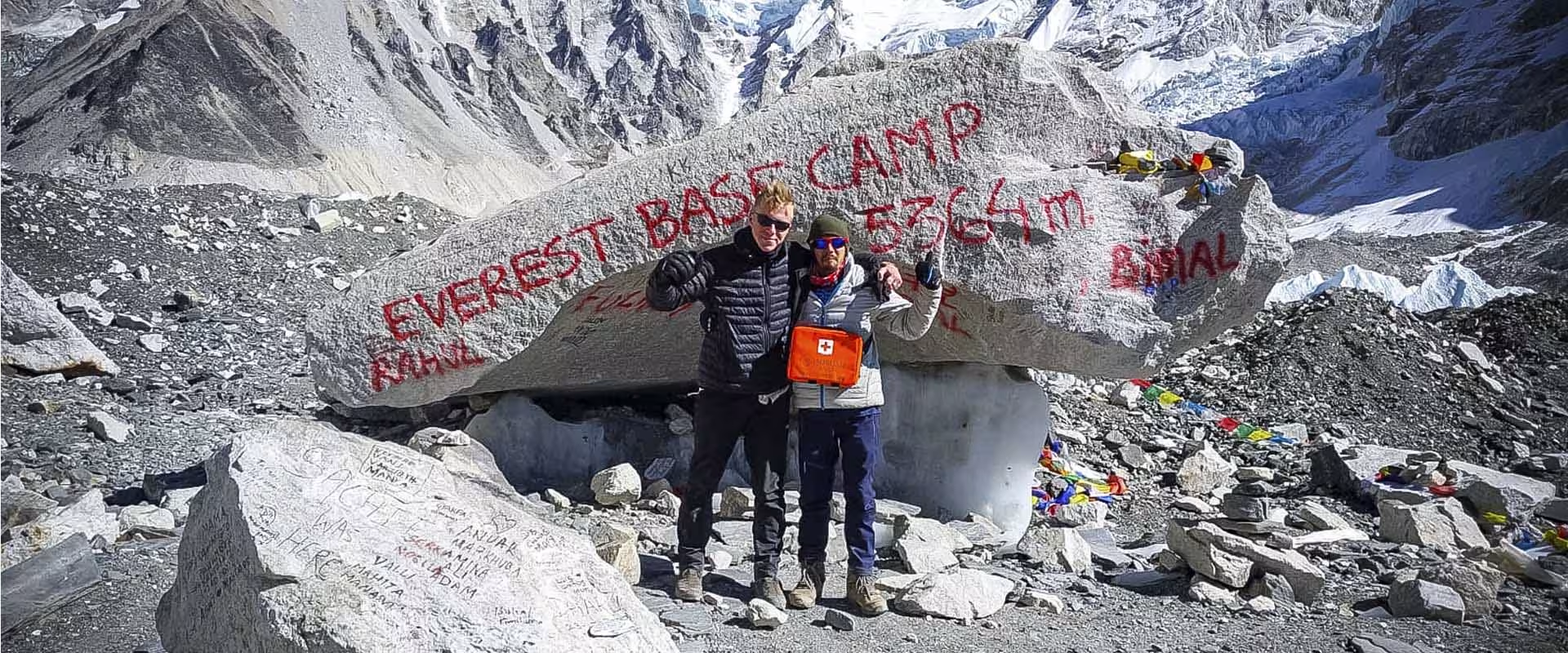
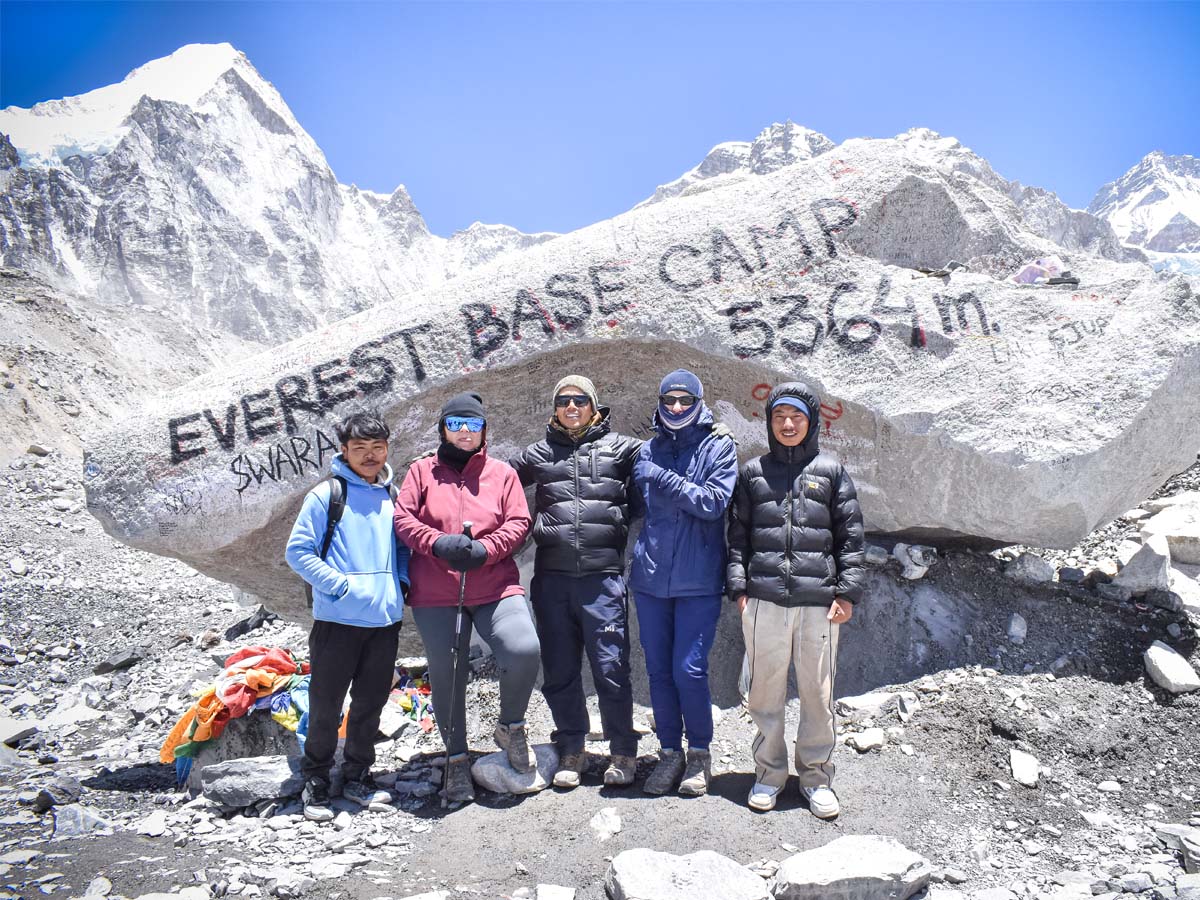
Guide, Porters, and Guest at Everest Base Camp 5364m
If this were my first Everest Base Camp trek, I would keep the setup straightforward.
I would choose a licensed local guide, porter support and a properly paced itinerary with enough time for acclimatization. I would keep my daypack light, put the bulk of my luggage in the main duffel and leave some flexibility around the Lukla flights.
I would not automatically choose the cheapest group either.
I would choose the operator that gives me confidence in the people handling the trek.
Before booking, I would look at the guide arrangement, porter system, itinerary, accommodation, inclusions, exclusions and emergency plan. I would also make sure I have appropriate travel insurance that covers the activities and altitude involved in my trek.
For travellers who want a more traditional guided experience, the standard Everest Base Camp Trek is the type of itinerary I would look at first. If time is limited, I would then compare that with a helicopter return or another shortened option rather than forcing myself into an itinerary that does not suit my schedule.
Conclusion
So, do you need a guide and porter for Everest Base Camp?
My answer is simple.
I would take a guide, and I would strongly recommend a porter for most first time trekkers.
The guide gives me something a map cannot: local judgement. They help manage the pace, understand the route, communicate with local communities, organise the daily logistics and respond when the original plan needs to change. The porter gives me something my legs will appreciate: a lighter load. Neither one takes the adventure away from me.
I still walk through the villages, cross the suspension bridges, climb the trails above Namche, watch the landscape change around Dingboche and eventually stand at Everest Base Camp.
The difference is that I am not spending the entire journey worrying about logistics or carrying everything I brought from Kathmandu. For me, that is what good trekking support should do. It should make the journey smoother without making it feel less adventurous.
If I were booking my own first EBC trek today, I would focus less on finding the absolute cheapest package and more on finding an experienced guide, a responsible porter arrangement, a sensible itinerary and a company that has a clear plan for the unexpected. Because reaching Everest Base Camp is the destination.