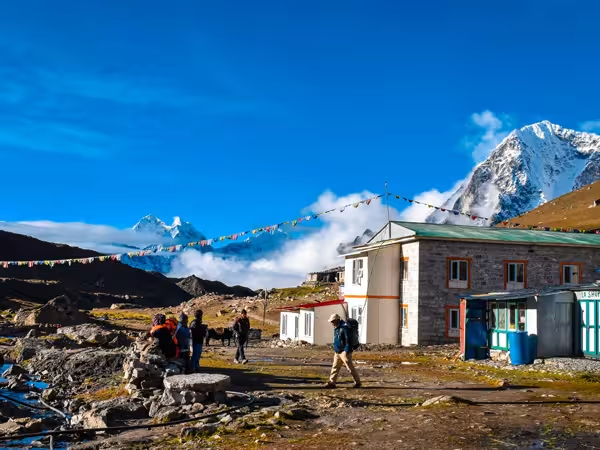
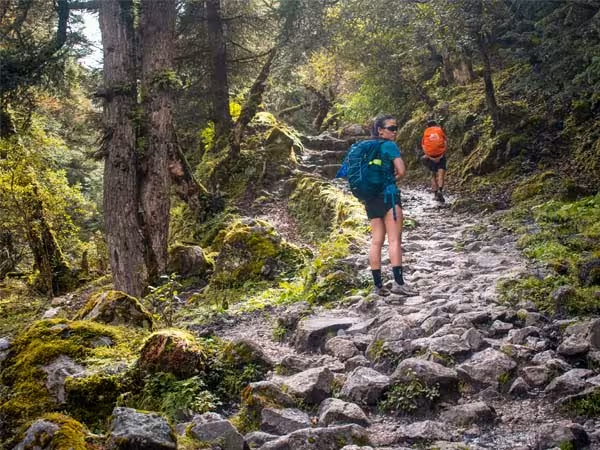
Phakding is one of the first mountain villages trekkers experience on the classic Everest Base Camp trek. Located beside the Dudh Koshi River in Nepal's Khumbu region, it offers a convenient place to spend the first night after arriving in Lukla. Although it is a relatively short walk from the airport, the trail introduces you to the terrain, settlements and daily rhythm of trekking in the Himalayas. Knowing what to expect in Phakding will help you prepare for the next stage towards Namche Bazaar.
Elevation: Approximately 2,610 metres (8,563 feet)
Distance from Lukla: Approximately 8 km (5 miles)
Walking time from Lukla: Around 3–4 hours
Distance to Namche Bazaar: Approximately 10–12 km (6.2–7.5 miles)
Walking time to Namche Bazaar: Around 5–7 hours
Main geographical feature: Dudh Koshi River
Accommodation: Teahouses and trekking lodges
Where Is Phakding in Nepal?
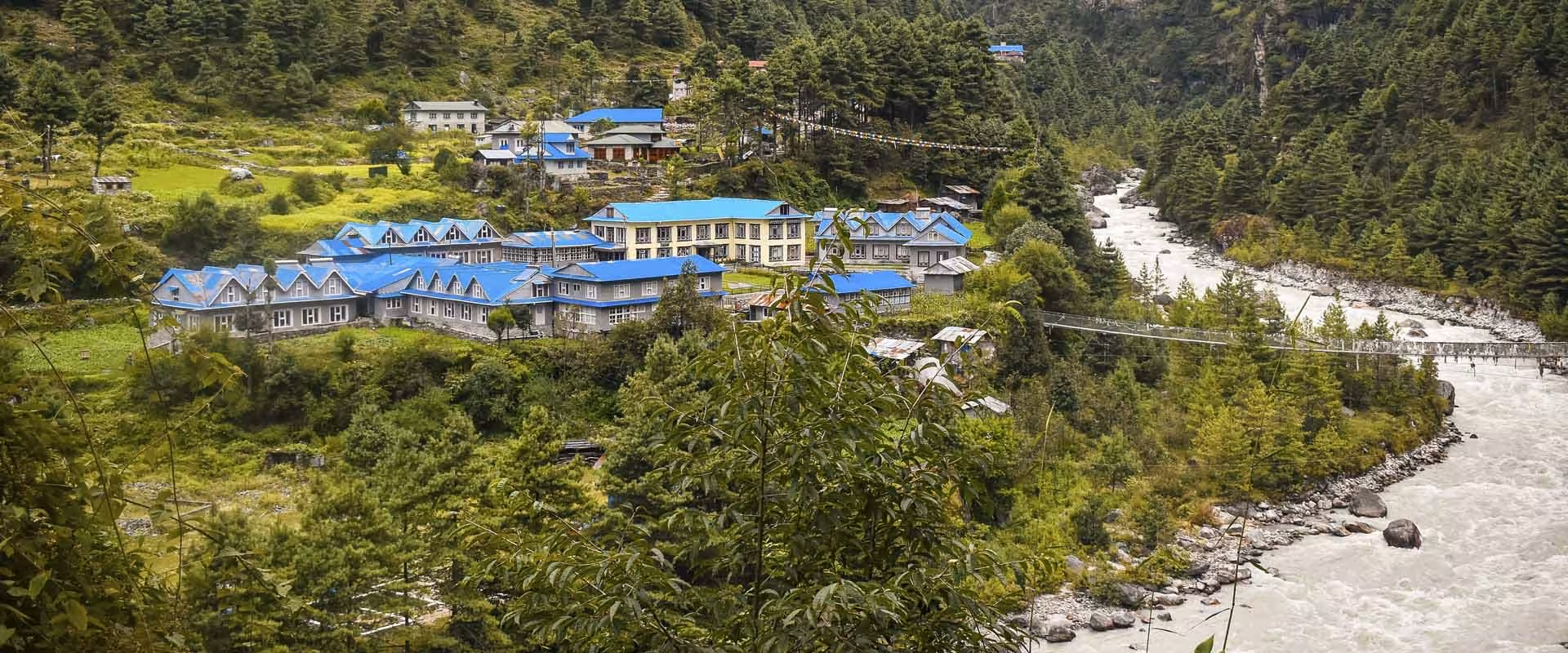
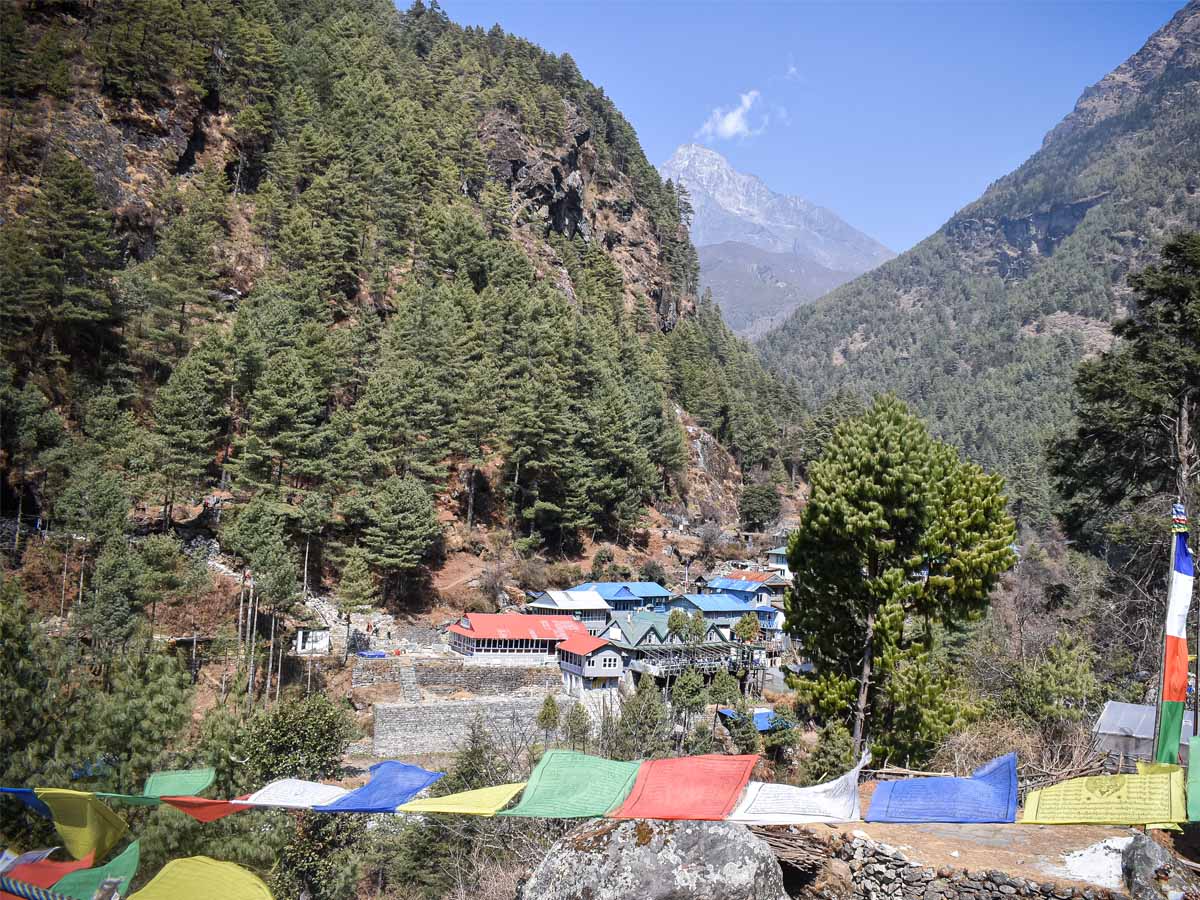
Phakding Village Alongside Dudh Koshi River
Phakding lies in the Khumbu region of northeastern Nepal, within the Solukhumbu District. It sits along the Dudh Koshi River valley, between Lukla and Namche Bazaar on the traditional Everest Base Camp trekking route. Most trekkers reach the village after flying to Lukla and beginning their walk towards Everest. Its location makes it a practical overnight stop before the trail climbs further into the mountains.
The settlement has grown around the needs of local residents and people travelling through the Everest region. You will find mountain lodges, small shops, traditional homes and paths connecting neighbouring settlements. The river runs through the valley, while forested slopes surround much of the village. Compared with Namche Bazaar, Phakding is smaller and generally quieter, making it a comfortable place to settle into the trekking routine.
Phakding's role in the Everest Base Camp trek
Phakding usually marks the end of the first trekking day for people following a standard Everest Base Camp itinerary. After the flight to Lukla, the walk gives you time to get accustomed to your boots, daypack and the terrain. Rather than attempting the longer journey to Namche Bazaar immediately, you can rest overnight and continue the following morning.
At Sublime Trails, we plan the opening stages of the trek around the actual walking demands rather than simply trying to cover the route quickly. Our Everest Base Camp trek itinerary includes Phakding as an early stop before the route continues through Monjo and towards Namche Bazaar. This progression gives trekkers a more manageable start to a journey that becomes increasingly demanding as the elevation rises.
What Is the Elevation of Phakding?
The elevation of Phakding is approximately 2,610 metres (8,563 feet) above sea level. You may encounter slightly different figures in trekking guides because measurements can refer to different points within the settlement. For practical itinerary planning, 2,610 metres is a useful reference. It also helps you understand how much higher the next overnight stop will be and why pacing matters, even during the early days of the trek.
Phakding sits lower than Lukla, which is commonly listed at approximately 2,860 metres. Consequently, the first day's route loses elevation overall, even though you will encounter smaller climbs and descents along the way. The next stage is different because Namche Bazaar sits at approximately 3,440 metres. The change in direction and the sustained uphill sections make that day's walk considerably more demanding.
Why Do Trekkers Stay Overnight in Phakding?
Phakding is a convenient first overnight stop on the Everest Base Camp trek because it breaks the journey from Lukla to Namche Bazaar into two manageable walking days. After flying to Lukla, trekkers walk to Phakding, rest for the night and continue towards Namche Bazaar the following morning. This avoids making the first day unnecessarily long, particularly after the flight.
Phakding is a planned rest stop, not a dedicated acclimatization stop. The more significant acclimatisation stage usually comes at Namche Bazaar, where many itineraries include an extra night before continuing to higher elevations. Staying in Phakding gives trekkers time to recover from the first day's walk and prepare for the longer, steeper climb ahead.
Distance from Lukla to Phakding
The distance from Lukla to Phakding is approximately 8 kilometres (5 miles). Most trekkers complete the walk in around 3–4 hours, depending on their pace, rest stops, trail conditions and the location of their accommodation. Although it is relatively short compared with later stages, it is still a mountain walk after a flight and a change in elevation. Allowing enough time makes the first day more comfortable.
What is the trail like from Lukla to Phakding?
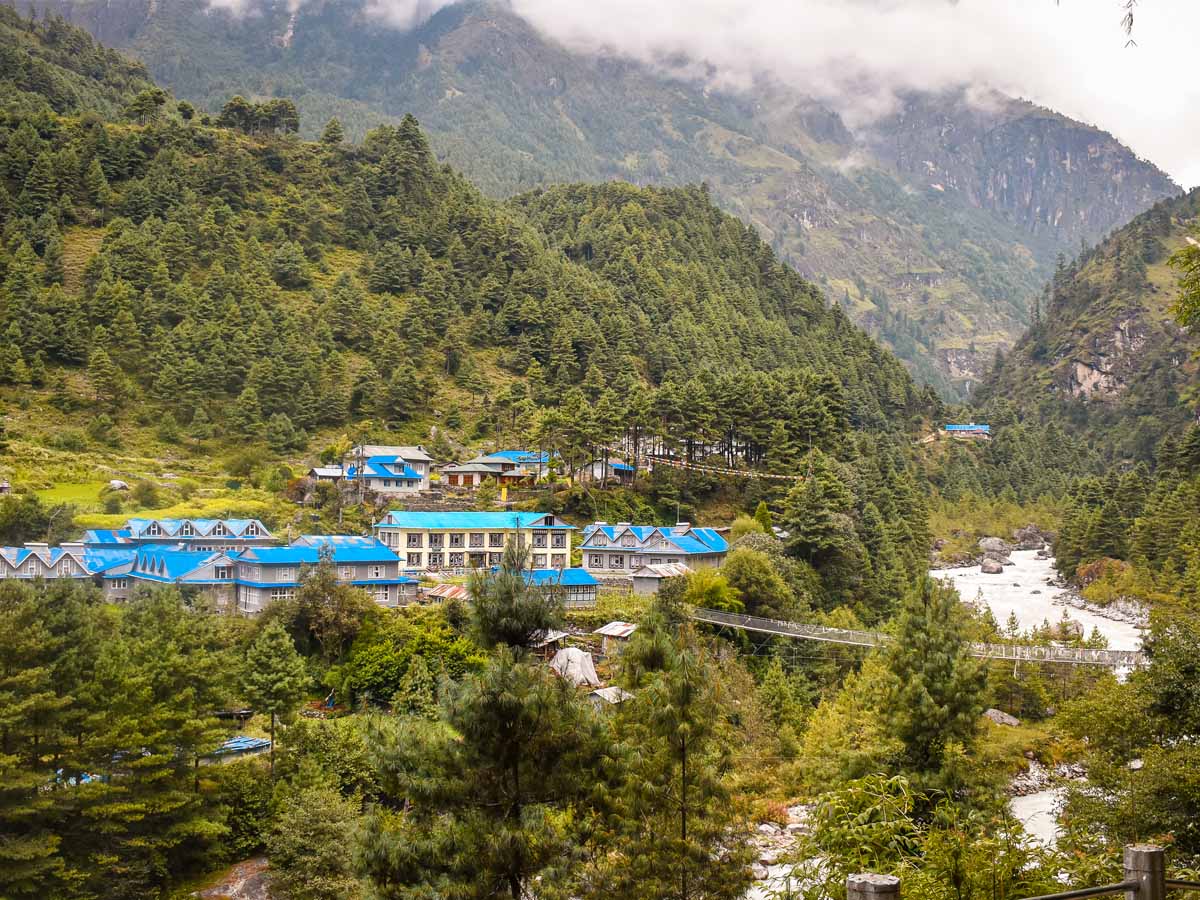
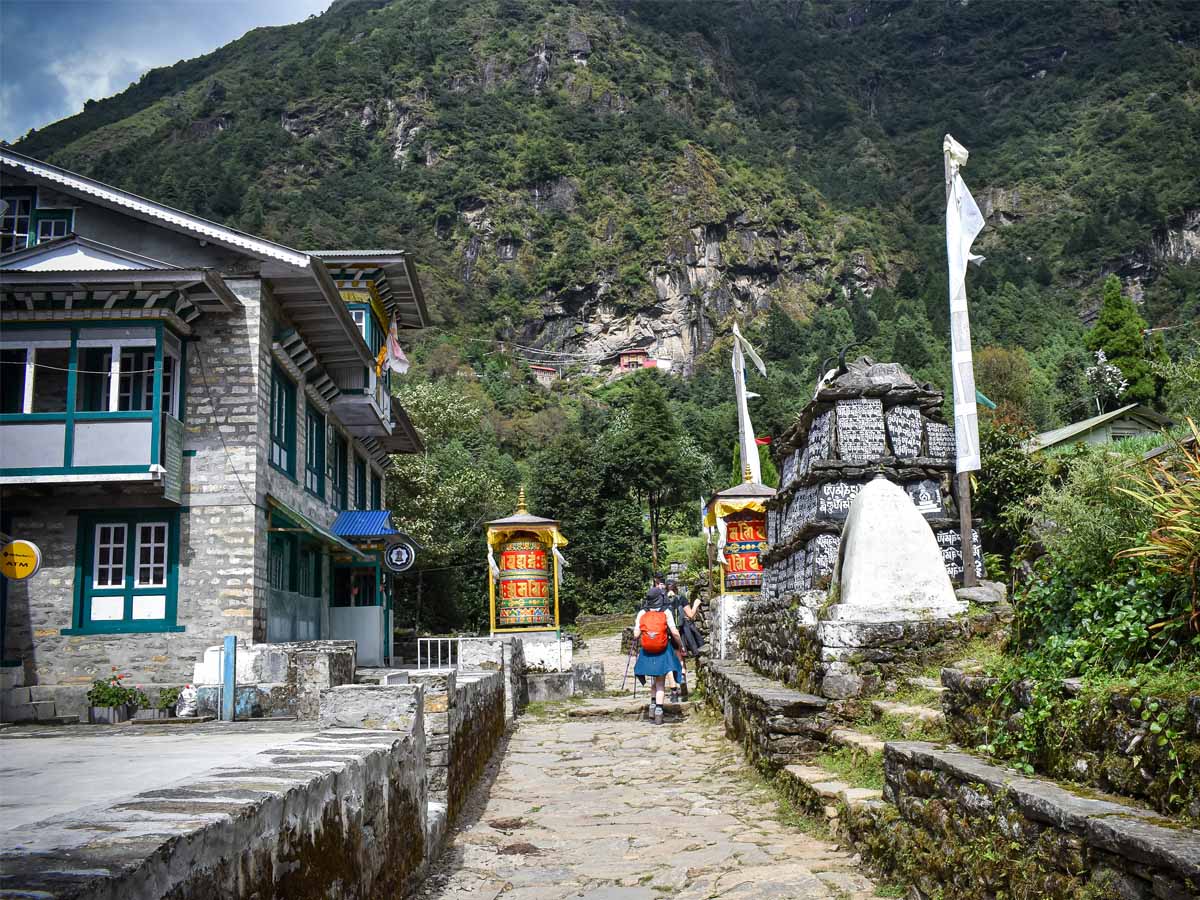
Phakding Settlements seen on the trail from Lukla to Phakding
After arriving in Lukla, you normally arrange your luggage before setting off towards Phakding. The trail passes through small settlements, cultivated areas and sections of forest as it follows the Dudh Koshi valley. Places along this stretch include Chaurikharka, Thado Koshi and Ghat. You will also encounter traditional stonework, prayer flags and suspension bridges along the way.
The path is not a continuous descent, despite Phakding being lower than Lukla. There are gentle uphill sections, uneven ground and smaller changes in elevation throughout the walk. Some stretches are straightforward, while others require more attention to your footing. This variation makes the first day a good opportunity to settle into a comfortable walking rhythm before the longer climb to Namche Bazaar.
How difficult is the Lukla to Phakding walk?
Trekkers at Cheplung Village trail towards Phakding with Manli Walls Beside them
For trekkers with reasonable fitness, this stage is generally manageable. The main challenge is adjusting to the walking conditions after travelling to Lukla, particularly if your flight arrives later in the day. Carrying an unnecessarily heavy daypack or trying to walk too quickly can make the route more tiring than expected.
Start at a comfortable pace and take short breaks when you need them. Keep drinking water and snacks accessible rather than packing everything deep inside your bag. If weather or flight delays affect your arrival time, speak with your guide about the remaining daylight and trail conditions. A sensible pace and enough time to reach your lodge are more important than finishing the walk as quickly as possible.
Most trekkers stay overnight in a teahouse or lodge in Phakding before continuing to Namche Bazaar the following morning. Spending a night here breaks the journey from Lukla into two stages and gives you time to rest after the flight and your first walk along the trail.
Phakding has several teahouses and lodges offering basic rooms and meals. After checking in, eat a proper meal, prepare your belongings for the next morning and get enough rest. Your guide can explain the following day's route and expected walking time, helping you prepare for the longer walk to Namche Bazaar.
Distance from Phakding to Namche Bazaar
The distance from Phakding to Namche Bazaar is approximately 10–12 kilometres (6.2–7.5 miles). A typical walking estimate is 5–7 hours, although the time can be longer when trail conditions are difficult or you take frequent breaks. This is a more demanding day than the walk from Lukla because the route includes a substantial ascent towards Namche Bazaar.
Phakding stands at approximately 2,610 metres, while Namche Bazaar is commonly listed at around 3,440 metres. That represents a net elevation gain of approximately 830 metres. The trail also includes smaller descents and climbs, so the effort involved is not captured by the elevation difference alone. The final uphill section is often the hardest part of the day.
What landmarks will you pass on the way to Namche Bazaar?
Jorsale on the way to Namche Bazaar
The route continues along the Dudh Koshi valley through settlements and forested stretches. Monjo is a useful landmark along the way, followed by the Sagarmatha National Park entrance checkpoint near Jorsale. Keep your required trekking documents accessible because they may be checked along the route. Your guide will help with the necessary arrangements and direct you through the correct checkpoint.
Beyond this point, the trail crosses suspension bridges and follows the river valley before beginning the sustained climb towards Namche Bazaar. The Hillary Suspension Bridge is a particularly well-known landmark on this section. As you gain height, the trail becomes steeper and more physically demanding. The surrounding scenery changes with the terrain, although the visibility of individual mountain peaks depends on the weather.
Why is the climb to Namche Bazaar challenging?
The final ascent requires more sustained effort than the relatively gradual sections earlier in the day. The path climbs through a series of uphill stretches and switchbacks, and the increasing elevation can make each step feel harder. Even trekkers who regularly hike at lower elevations may notice the difference when walking uphill in the thinner mountain air.
The best approach is to pace yourself consistently from the beginning. Avoid using too much energy on the easier sections, and do not feel pressured to match another trekker's speed. Take short breaks when needed and communicate with your guide if you feel unusually tired or unwell. Trekking poles can also be useful on uneven ground. Arriving in Namche with enough energy to eat and rest is more valuable than saving a few minutes on the trail.
What should you expect after reaching Namche Bazaar?
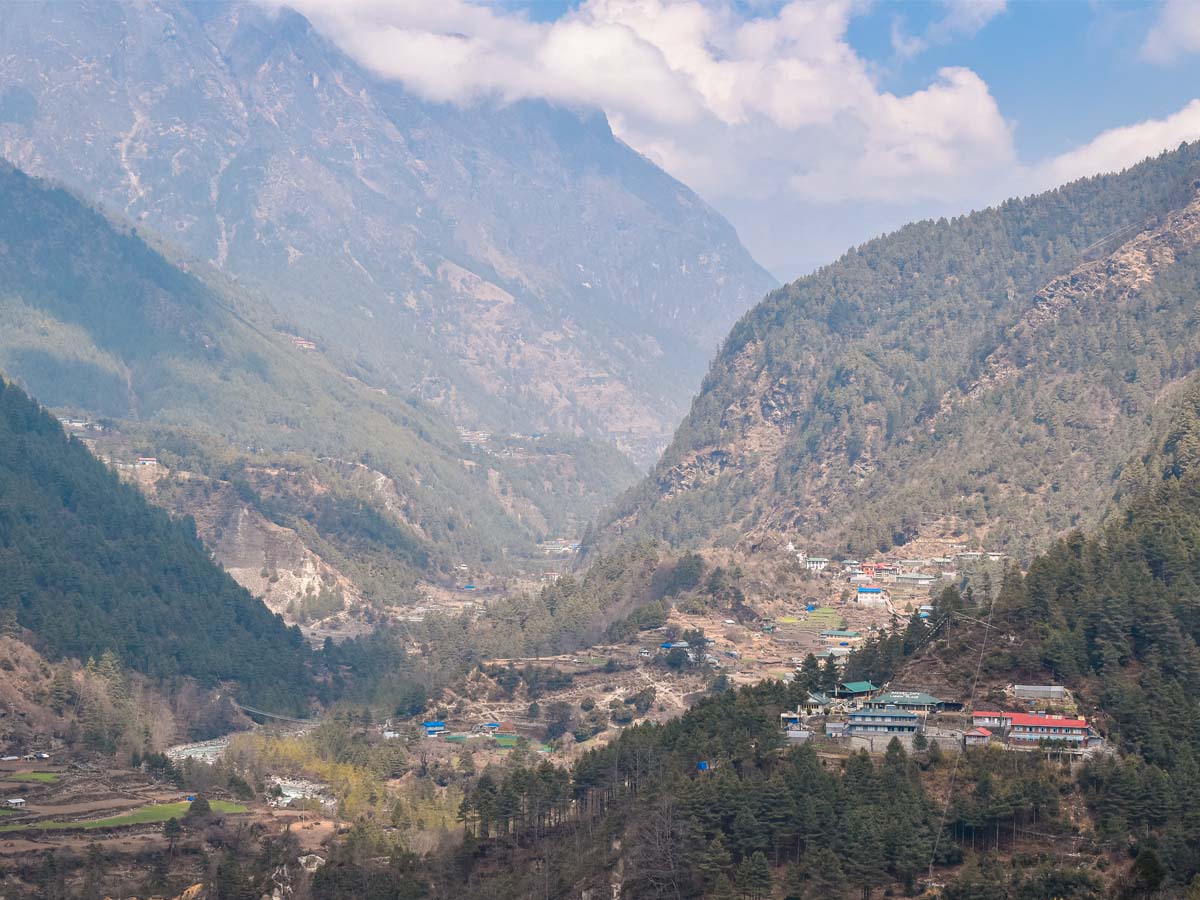
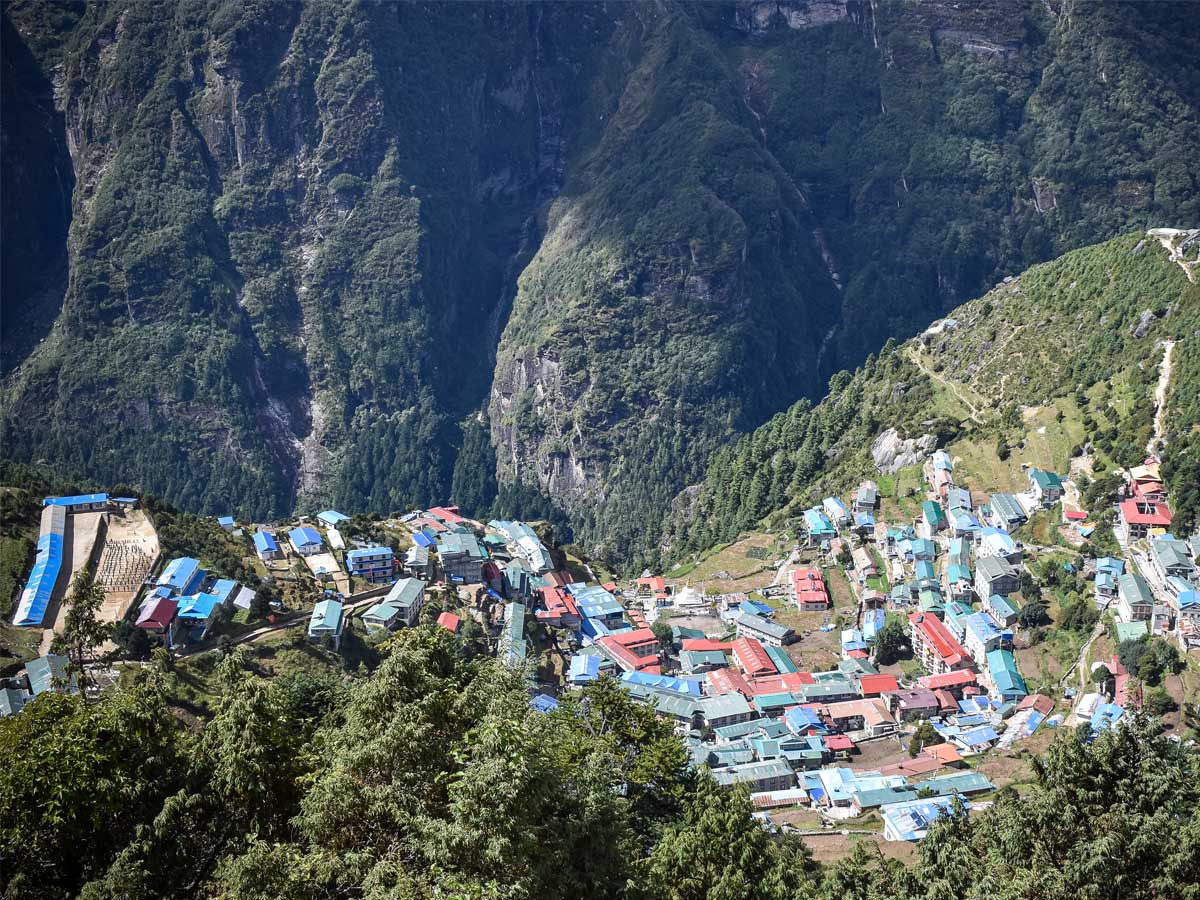
Namche Bazaar
Namche Bazaar is one of the main hubs of the Everest region, offering a wider selection of accommodation, restaurants, shops and trekking services than Phakding. After completing the climb, most trekkers appreciate having time to rest and recover. The settlement is built along a steep hillside, so even short walks within the village can involve stairs and uphill paths.
The town also plays an important role in a properly paced Everest Base Camp itinerary. Many trekkers stay for two nights before continuing higher, allowing time for an acclimatization walk. Our Namche Bazaar guide covers the village in more detail, including its setting, local culture and role on the Everest route.
Things to See and Do in Phakding
Phakding is best experienced at a relaxed pace. Rather than planning several demanding activities, you can enjoy the riverside setting and explore the settlement around your lodge. The village offers a different atmosphere from the higher mountain viewpoints, with its flowing river, forested surroundings and smaller community. Taking time to notice these details can make the first overnight stop more memorable without tiring yourself before the next stage.
Enjoy the Dudh Koshi River
The Dudh Koshi River is one of the most recognisable features of the landscape around Phakding. It flows through the valley beside the trekking route, with rocky banks, suspension bridges and forested slopes adding to the scenery. The sound of the water accompanies sections of the walk and provides a pleasant backdrop when you stop to rest.
The river also offers photography opportunities, particularly from established paths and bridge approaches. Light and water levels can change the appearance of the valley throughout the day. Stay away from unstable banks and slippery rocks, and follow local instructions where paths run close to the water. After rain, extra care is needed because wet ground can make even short walks less secure.
Observe local Buddhist culture
The wider Khumbu region has a strong Buddhist heritage, visible in prayer flags, mani stones, monasteries and other religious features. As you walk through Phakding, take time to notice these details and learn about their place in local traditions. They are part of everyday religious life rather than simply decorative features along a trekking route.
Ask your guide about suitable religious sites or cultural stops nearby. Local access arrangements can vary, and not every site is open to visitors at all times. When entering a religious place, follow local customs, respect any displayed instructions and avoid interrupting prayers. Ask permission before photographing people, particularly during ceremonies or other private moments.
Experience everyday village life
Walking through Phakding also gives you a glimpse of how people live and work in a mountain settlement. Small shops, teahouses, homes and agricultural areas share the space with the trekking route. You may see residents transporting supplies or preparing for the day while trekkers pass through the village. These everyday activities offer a more grounded perspective than focusing only on the surrounding landscape.
Remember that Phakding is a living community. Keep narrow paths clear, respect private property and ask before taking photographs of residents. Supporting local businesses when appropriate also helps sustain the services that make trekking possible in the region. A short, respectful walk through the village is often enough to appreciate its character.
Accommodation, Food and Facilities in Phakding
Phakding has a range of teahouses and trekking lodges serving visitors travelling through the Everest region. Some provide simple rooms and shared facilities, while others offer additional comforts. Standards vary by property and season, so it is important to confirm the available services before booking. During busy spring and autumn periods, arranging accommodation in advance can help you find a suitable place to rest.
What food can you find in Phakding?
Trekking lodges usually offer meals suited to people spending several hours walking each day. Depending on the property, options may include dal bhat, noodles, soups, rice, potatoes, eggs and other familiar dishes. Dal bhat is a popular choice because it provides a filling meal with carbohydrates, lentils and accompanying vegetables. Having enough food after the first walking day helps you prepare for the climb ahead.
If you follow a specific diet or have food allergies, explain your requirements when ordering. Menu choices and ingredients can differ between lodges, and the availability of specialist products may be limited. It is also useful to carry a few snacks for the trail, particularly if you prefer eating small amounts throughout the day instead of relying only on scheduled meals.
Are electricity, Wi-Fi and hot showers available?
Many lodges in Phakding provide electricity, charging facilities, Wi-Fi and hot showers, but the availability and reliability of these services vary. Some may cost extra, and internet speeds can be inconsistent. Confirm which amenities are included in the room price instead of assuming every lodge offers the same facilities.
Bring a power bank if you depend on your phone for photographs, communication or travel information. It is also sensible to carry Nepalese cash for smaller purchases, as payment options vary. These simple preparations reduce the inconvenience of relying on services that may not always be available in a mountain village.
Best Time to Visit Phakding
Phakding is visited throughout much of the trekking year, but spring and autumn are generally preferred for journeys in the Everest region. These seasons often offer favorable walking conditions, although mountain weather can change quickly. When choosing dates, consider the full trek, including the flight to Lukla and the higher settlements beyond Namche Bazaar, rather than judging the season by conditions in Phakding alone.
Spring: March to May
Spring is a popular period for trekking in the Khumbu region. Daytime conditions in the lower valleys can be comfortable, and seasonal vegetation adds color to parts of the landscape. Trekking activity increases as the season progresses, particularly in April and May, so accommodation and flights can become busy.
Pack layers because mornings and evenings may still be cold, even when daytime temperatures feel pleasant. Conditions higher on the Everest Base Camp route are colder than in Phakding, so your equipment needs to suit the full itinerary. Spring weather is often favorable, but changes in cloud cover and visibility are still possible.
Autumn: September to November
Autumn is another preferred season, especially October and November, when the monsoon has generally passed and visibility can improve. Trekkers often choose this period for the chance to enjoy clearer mountain views and favorable trail conditions. However, the most popular weeks can be busy, so advance planning is useful.
Early autumn may still bring some lingering rain depending on the year. Temperatures also become colder as the season progresses, particularly at night and in higher villages. Prepare for changing conditions instead of assuming every day will be clear. Leaving flexibility in your travel arrangements is especially helpful when flights or weather affect the schedule.
What about monsoon and winter?
The monsoon season, broadly June through September, can bring heavier rainfall, slippery trails and cloud cover. Flight disruptions may also affect travel to and from Lukla. If you trek during this period, pay close attention to local conditions and follow your guide's advice about safe walking arrangements.
Winter, from December through February, brings colder mornings and evenings, with snow or ice possible depending on the conditions. Some trekkers enjoy the quieter trails, but warm clothing and suitable equipment become particularly important. Read our guide to the best time to trek in the Everest region for a broader seasonal comparison before choosing your travel dates.
Practical Tips for Staying in Phakding
A comfortable stay in Phakding begins with preparation. You do not need a complicated plan for the afternoon, but you should use the overnight stop to get ready for the longer walk to Namche Bazaar. Organizing your belongings, checking the next day's route and allowing time for rest are simple steps that help make the following morning easier.
Pack only what you need for the day
Keep frequently used items in your daypack, including water, snacks, rain protection, warm layers and any personal medication you need. Your footwear should be broken in before the trek and provide reliable grip on uneven surfaces. A heavy bag can make the first day's walk tiring, so avoid carrying unnecessary equipment.
If your trekking package includes porter support, confirm the luggage arrangements and weight limits before departure. Keep essential documents, valuables and items needed during the day with you. Our Everest Base Camp packing list explains what to bring for the wider trek, including clothing, footwear and useful equipment.
Prepare for the next morning
Before going to bed, organize your daypack and make sure the things you need are easy to reach. Check your footwear, prepare suitable clothing and arrange drinking water using a safe treatment method. Having breakfast and beginning the walk at an appropriate time gives you more flexibility if the trail is busy or the day takes longer than expected.
Ask your guide about the expected walking time, planned breaks and trail conditions. This is also a good opportunity to discuss any discomfort you experienced during the first day's walk. A clear understanding of the plan helps you prepare without treating the schedule as fixed regardless of weather, health or other circumstances.
Look after your health as the trek progresses
Do not treat Phakding's moderate elevation as proof that altitude will not affect you. Pay attention to how you feel, rest when appropriate and tell your guide about symptoms that concern you. If symptoms worsen, do not continue climbing without suitable assessment. Your guide can help you decide on the appropriate next steps, but serious symptoms require urgent medical attention.
Avoid rushing to keep up with others, and do not use physical fitness alone to judge your readiness for higher elevations. A steady pace and a properly planned itinerary are particularly important as you continue towards Namche Bazaar and beyond. The aim is to complete the trek responsibly, with enough time for your body to adjust to the changing conditions.
Respect the local environment
Phakding depends on its surrounding landscape and the communities that maintain services for residents and visitors. Carry rubbish until you find an appropriate disposal point, limit unnecessary single-use plastic and use water thoughtfully. Follow local instructions around bridges, religious sites and narrow sections of the trail. These habits help protect the environment and make the route safer for everyone.
Treat residents and local workers with the same respect you would expect at home. Ask permission before photographing individuals, give pack animals enough room to pass and avoid blocking paths while stopping for pictures. Responsible trekking is not limited to the wilderness; it also means respecting the people whose homes and livelihoods are part of the journey.
Conclusion
Phakding is an important first overnight stop on the Everest Base Camp trek, offering a quieter setting beside the Dudh Koshi River before the route climbs towards Namche Bazaar. Its elevation of approximately 2,610 metres, the 8-kilometre walk from Lukla and the longer journey to Namche help define the opening stages of the trek. With realistic walking times, suitable preparation and a steady pace, you can use your stay in Phakding to settle into the journey before tackling the more demanding terrain ahead.
Frequently Asked Questions About Phakding
1. What is the elevation of Phakding, Nepal?
Phakding is approximately 2,610 metres (8,563 feet) above sea level.
2. What is the distance from Lukla to Phakding?
The distance from Lukla to Phakding is approximately 8 kilometres (5 miles). Most trekkers take around 3–4 hours, depending on walking speed, breaks and trail conditions.
3. How far is Phakding from Namche Bazaar?
The distance from Phakding to Namche Bazaar is approximately 10–12 kilometres (6.2–7.5 miles). Most trekkers allow 5–7 hours for the walk.
4. How many nights should you stay in Phakding?
Most standard Everest Base Camp itineraries include one night in Phakding before continuing to Namche Bazaar.