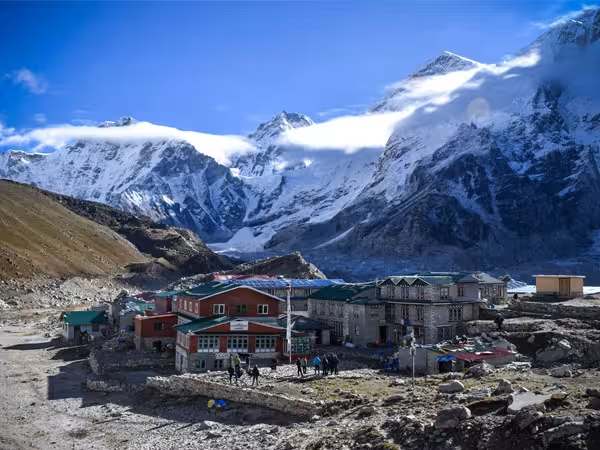
How Fit Do You Need to Be for the Manaslu Circuit Trek?
You should be comfortable with prolonged walking, uphill sections and repeated days of physical activity. You do not need to run marathons or spend hours lifting weights. Instead, focus on developing cardiovascular endurance, leg strength, balance and the ability to recover between hikes.
The most useful starting point is your current fitness level. If you already hike regularly, you can build on that experience with longer walks, hill sessions and strength exercises. If you spend most of your day sitting, start with shorter walks and increase your workload gradually.
Standard fitness guidelines recommend aiming for 150 minutes of moderate cardio and two strength sessions a week. Keep in mind that this is just a baseline for general health, not a tailored training program for a strenuous trek.
Before starting a demanding programme, consider whether any existing health condition, injury or previous exercise limitation requires professional advice.
Use these questions to assess your progress:
- Can I walk briskly for 60–90 minutes without needing frequent breaks?
- Can I climb hills or stairs at a controlled pace?
- Can I complete a longer hike and recover sufficiently for normal activities the following day?
- Can I walk on consecutive days without developing persistent pain?
- Can I carry a light daypack comfortably?
These are practical training checks, not guarantees of success or substitutes for medical clearance. Most importantly, physical fitness does not prevent altitude sickness. Even highly trained people can become ill at high elevations.
How Many Weeks Should You Train Before the Trek?
For many travellers, 8–12 weeks is a useful preparation period, provided they already have a reasonable fitness base. Beginners or people returning to exercise after a long break may benefit from 12–16 weeks. These are practical planning ranges rather than medically established requirements.
During the first few weeks, build a routine around walking and basic strength exercises. Next, introduce hills, stairs and longer weekend hikes. In the later weeks, practise consecutive walking days and carry the daypack you expect to use during the trek.
Do not increase distance, elevation and backpack weight all at once. Change one element at a time, then assess how well you recover. If a longer hike leaves you unusually exhausted for several days, repeat a manageable workload rather than immediately increasing it.
Keep a simple training record of your walking duration, terrain, pack weight and recovery. This helps you recognise progress without becoming overly focused on speed.
If you have only a few weeks before departure, do not try to compensate with exhausting workouts. Concentrate on consistent, manageable activity and avoid arriving with sore muscles or an avoidable injury.
The Best Exercises for Manaslu Trekking Preparation
I would prioritise exercises that translate directly to mountain walking. You do not need an elaborate gym programme. Regular walking, controlled strength training and practice on uneven terrain can build a useful fitness base.
Brisk walking and hiking
Start with 30–45 minutes at a pace that increases your breathing while still allowing you to speak in sentences. Gradually extend your walks and include hills as your endurance improves.
Squats and step-ups
These exercises strengthen your thighs and glutes for repeated climbs. Start with bodyweight squats and a low, stable step. Maintain control rather than rushing through repetitions.
Lunges and controlled step-downs
Single-leg exercises help develop strength and balance. Step-downs are particularly useful for practising controlled movement on descents, where your legs must repeatedly absorb the impact of each step.
Calf raises and core exercises
Calf raises, planks and bird dogs complement your walking and leg workouts. They help develop lower-leg endurance and trunk stability, although they cannot replace hiking practice.
For a beginner, two strength sessions per week are a reasonable starting point. Try two sets of 8–12 controlled repetitions for squats, step-ups and lunges, adjusting the range and number of repetitions to your ability. Add calf raises and a comfortable plank hold.
You should finish each session feeling that you could still perform a few more repetitions. If an exercise causes sharp pain or worsens an existing injury, stop and seek appropriate advice.
A Practical 12-Week Manaslu Training Plan
Use this schedule as a starting framework, not a fixed prescription. Adjust the duration and intensity to your fitness, available terrain and recovery.
| Training phase |
What to focus on |
| Weeks 1–3 |
Walk regularly, establish a comfortable routine and learn basic strength exercises |
| Weeks 4–6 |
Add hills or stairs and extend your weekend walks |
| Weeks 7–9 |
Practise longer hikes on uneven terrain and introduce a light daypack |
| Weeks 10–11 |
Build up to longer hikes and, if appropriate, walks on consecutive days |
| Week 12 |
Reduce training volume, recover and prepare your equipment |
A typical training week might include brisk walking on Monday, strength training on Tuesday, hill walking on Wednesday, recovery on Thursday, another strength session on Friday and a longer hike on Saturday. Sunday can be an easy recovery walk or a complete rest day.
During your later training weeks, practise a longer hike followed by a shorter walk the next day. This can help you understand how your body responds to consecutive days of activity. Do not push through persistent pain or unusual fatigue to complete a planned session.
The final week should be lighter. Avoid an unusually long hike immediately before departure. You want to arrive rested rather than carrying fatigue from your training.
Practise Hills, Descents and Walking with a Daypack
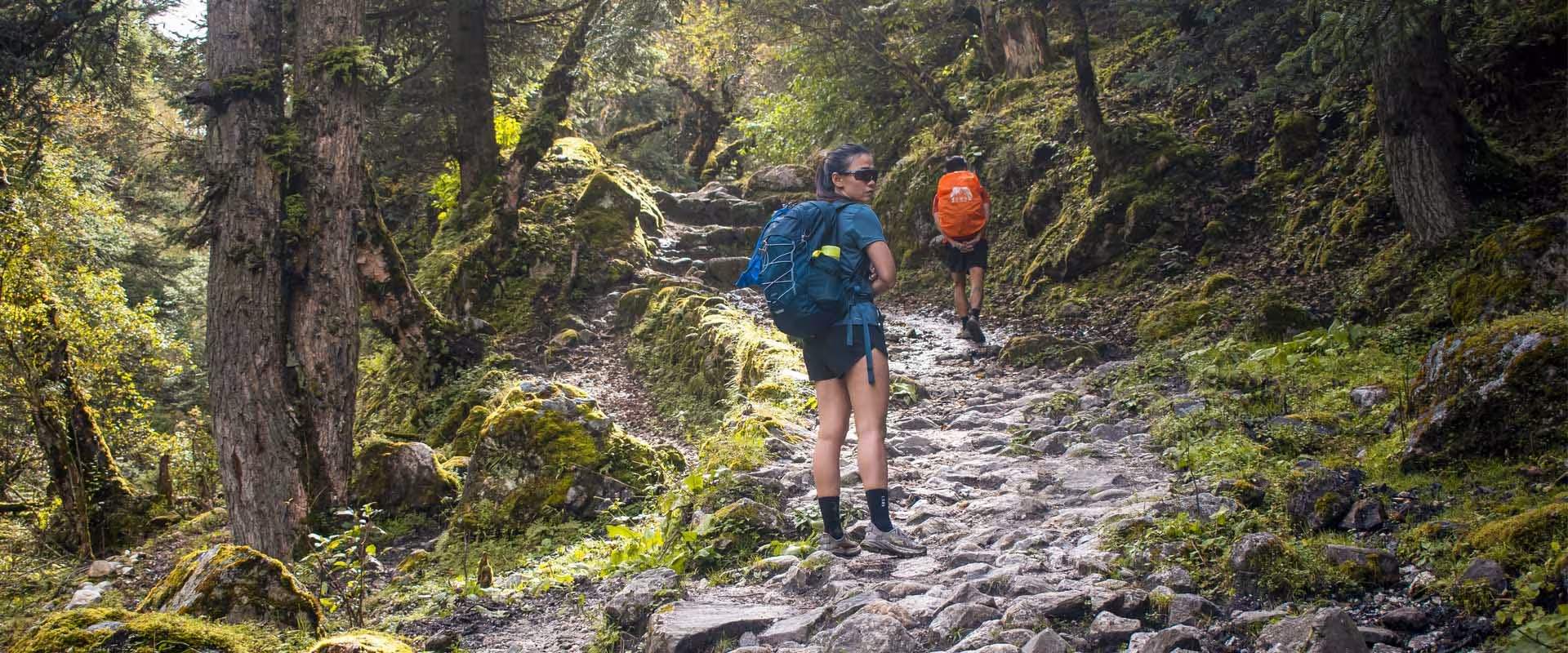
Flat-ground walking builds endurance, but it does not fully prepare you for steep Himalayan trails. If you have access to hills, stairs or an inclined treadmill, include them in your routine. Start with manageable sessions and gradually increase the duration.
Practise descending as well as climbing. Long downhill sections can place considerable demands on your quadriceps and knees. Controlled step-downs, squats and gradual downhill walking can help you prepare. Use a handrail when needed and avoid rushing down steep stairs.
You should also practise with your trekking footwear and daypack before departure. Start with a light pack and carry the essentials you expect to need, such as water, snacks, extra clothing and personal items. Increase the duration before increasing the load.
If you plan to use a porter, your daypack may be much lighter than the full load you would otherwise carry. There is no need to train with an unnecessarily heavy backpack. The goal is to make your equipment comfortable and familiar.
For a better understanding of the walking days and elevation changes, check the Manaslu Circuit Trek itinerary with Sublime Trails. Use the actual itinerary to guide your preparation instead of assuming that every trekking day will involve the same distance or difficulty.
What to Eat and Drink During Training
Your body needs enough energy to adapt to exercise and recover between sessions. Keep your diet balanced rather than following a restrictive plan before the trek.
Include carbohydrate-rich foods such as rice, oats, potatoes, bread and fruit to support longer walks. Add protein sources such as eggs, lentils, beans, dairy products, fish or meat to support muscle recovery. Choose foods you already tolerate well, especially before demanding hikes.
For longer sessions, practise eating snacks while walking. Bananas, dried fruit, sandwiches and nuts are convenient options, depending on your preferences and dietary needs. Testing your food during training helps you identify what is easy to carry and comfortable to eat.
Drink regularly according to thirst, weather and exercise intensity. Avoid forcing excessive amounts of water: overhydration can also be dangerous. During prolonged activity in hot conditions, replacing electrolytes may be useful.
If you have a medical condition that affects diet or fluid balance, seek individual guidance from a qualified healthcare professional. You do not need special supplements or an extreme diet to build trekking fitness.
Altitude Safety: What Training Cannot Prepare You For
This is the part of preparation you should never overlook. Manaslu Circuit Trekking takes you into high-altitude terrain, where reduced oxygen availability affects everyone differently. Improving your endurance does not make you immune to altitude illness.
Your itinerary should allow appropriate time for acclimatization. Once above 3,000 metres, we advise limiting increases in sleeping altitude to about 500 metres per day where possible, with additional acclimatization days as elevation increases. Route conditions and the full itinerary still need to be considered.
Learn the warning signs of acute mountain sickness, which can include headache, nausea, dizziness and unusual fatigue. If you develop symptoms that may indicate altitude illness, do not ascend to a higher sleeping altitude. Inform your guide or trekking team and seek medical assessment.
Confusion, loss of coordination or breathlessness at rest can indicate serious altitude illness and require urgent assistance and descent. Do not attempt to overcome these symptoms by walking more slowly or relying on hydration alone.
Before travelling, discuss your itinerary and relevant medical history with a healthcare professional experienced in high-altitude travel. Ask whether preventive medication is appropriate for your circumstances. Medication decisions should be individualised.
Your Final Checklist Before Departure
In the final weeks, use this checklist to identify any gaps in your preparation.
- I can complete a longer walk at a manageable pace.
- I have practised uphill walking and controlled descents.
- I have included leg strength exercises in my weekly routine.
- I have practised walking on consecutive days where appropriate.
- My trekking shoes, socks and daypack are comfortable.
- I know what food and snacks work for me during longer walks.
- I have allowed enough time for rest and recovery.
- I understand the itinerary and the importance of acclimatisation.
- I know the warning signs of altitude illness and when to seek help.
You do not need to complete every workout perfectly. The aim is to arrive prepared, not exhausted. If you are experiencing persistent pain, illness or unusual fatigue before departure, address the problem rather than trying to push through it.
Conclusion: Train Consistently and Trek with Confidence
Preparing for the Manaslu Circuit Trek is about building the endurance to walk for hours, the strength to manage steep terrain and the ability to recover between demanding days. You do not need to become an elite athlete. You need a realistic plan, consistent training and enough time to adapt.
Start with regular walking, add strength exercises twice a week and gradually introduce hills, longer hikes and a comfortable daypack. In the final week, reduce demanding exercise and focus on recovery and equipment checks.
Remember that physical preparation is only one part of trekking safely. Follow an appropriate itinerary, allow time for acclimatization and take symptoms of altitude illness seriously.
If you are planning your trip, explore the Manaslu Circuit Trek with Sublime Trails. If you are considering an extended journey, review the Tsum Valley Trek and consider how the additional walking fits your schedule and preparation.
Train steadily, progress gradually and arrive ready for the journey. Good preparation can help you manage the physical demands of the trail, while sensible decisions on the mountain remain essential.
Frequently Asked Questions
How long should I train for the Manaslu Circuit Trek?
Allow around 8–12 weeks if you already exercise regularly. If you are a beginner, 12–16 weeks may give you more time to build endurance and strength gradually. Your starting fitness, health and hiking experience should determine the pace of your preparation.
Can a beginner complete the Manaslu Circuit Trek?
Yes, beginners may be able to complete the trek with appropriate preparation, a suitable itinerary and realistic expectations. Start with regular walking, build your leg strength and gradually introduce hills and longer hikes. However, fitness alone does not guarantee success or protect you from altitude illness.
Do I need to run to prepare for Manaslu?
No. Running is optional. Brisk walking, hill training, stair climbing and strength exercises can build useful trekking fitness. Prioritise sustained walking and practise on uneven terrain when possible.
What is the best exercise for the Manaslu Circuit Trek?
There is no single best exercise. Combine longer walks, uphill conditioning, squats, step-ups and controlled step-downs. Walking develops endurance, while strength exercises help prepare your legs for climbs and descents.